
The Ultimate Guide to HVAC Filters: Washable, Pleated, Carbon, Whole-House & What MERV Really Means
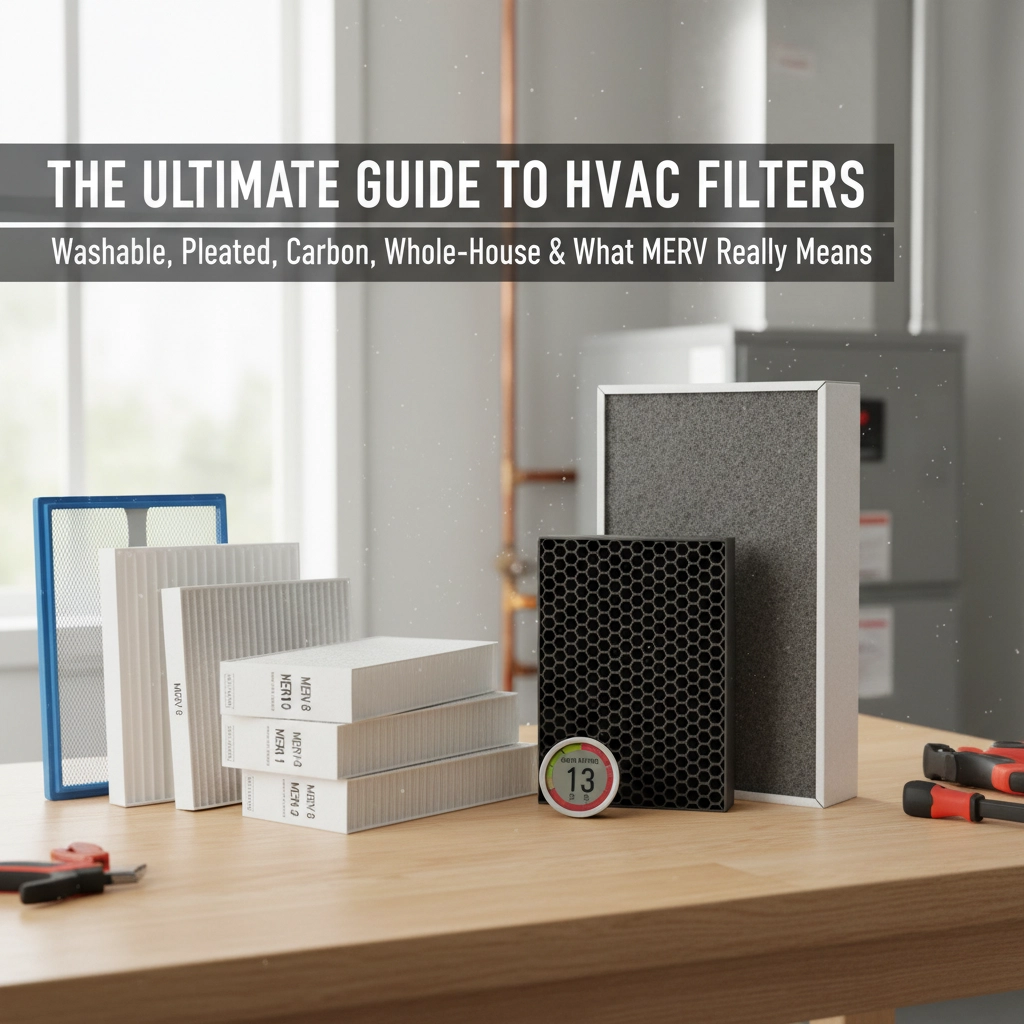
When was the last time you thought about your HVAC filter? If you’re like most Austin homeowners, it’s probably been a while: until your system starts acting up or your energy bills spike. Here’s the thing: that little filter does way more heavy lifting than you might think. It’s not just catching dust bunnies; it’s protecting your equipment, your family’s health, and your wallet.
With Central Texas’s unique mix of cedar pollen, wildfire smoke, and good old-fashioned dust, choosing the right filter isn’t just important: it’s essential. Let’s break down everything you need to know about HVAC filters, from basic fiberglass to high-tech whole-house systems, so you can breathe easier (literally).
What the Heck is MERV?
Before we dive into filter types, let’s tackle the alphabet soup of filter ratings. MERV stands for Minimum Efficiency Reporting Value, basically, it’s how we measure how good a filter is at catching stuff. The scale runs from 1 to 20, with higher numbers meaning better filtration.
Here’s the breakdown:
- MERV 1-4: Basic protection. Think large dust particles and lint.
- MERV 5-8: Good for most homes. Catches pollen, pet dander, and mold spores.
- MERV 9-12: Better protection. Grabs smaller particles like fine dust and some bacteria.
- MERV 13-16: Hospital-grade stuff. Catches smoke, bacteria, and tiny particles.
- MERV 17-20: HEPA territory. Used in clean rooms and surgical suites.
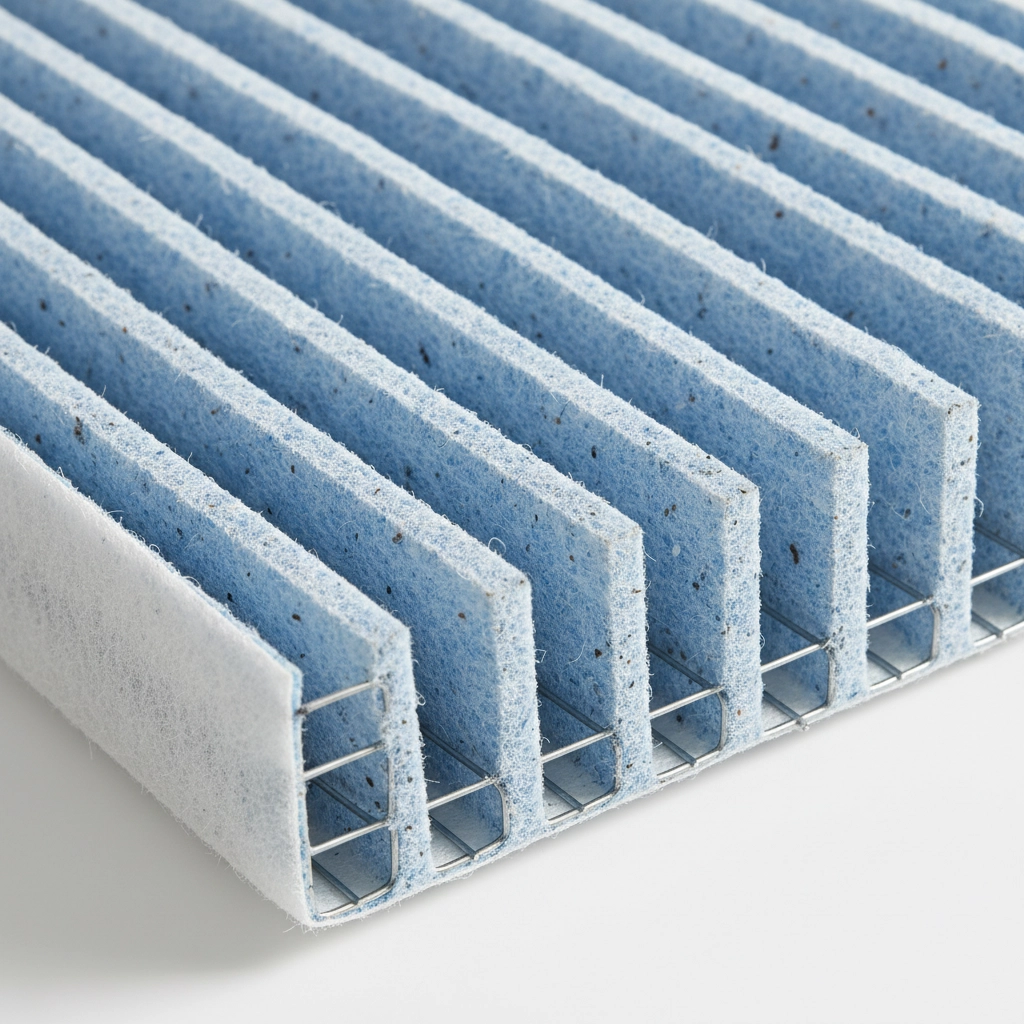

Here’s the catch: Higher MERV doesn’t always mean better for your home. Most residential systems work best with MERV 8-11 filters. Go higher, and you might restrict airflow so much that your system works harder, uses more energy, and could even break down. It’s like trying to breathe through a coffee filter: not fun.
You might also see MPR (3M’s rating system) or FPR (Home Depot’s system). These are just different ways of measuring the same thing, but MERV is the industry standard.
The Filter Lineup: Your Options Explained
Washable (Electrostatic) Filters: The Reusable Champions
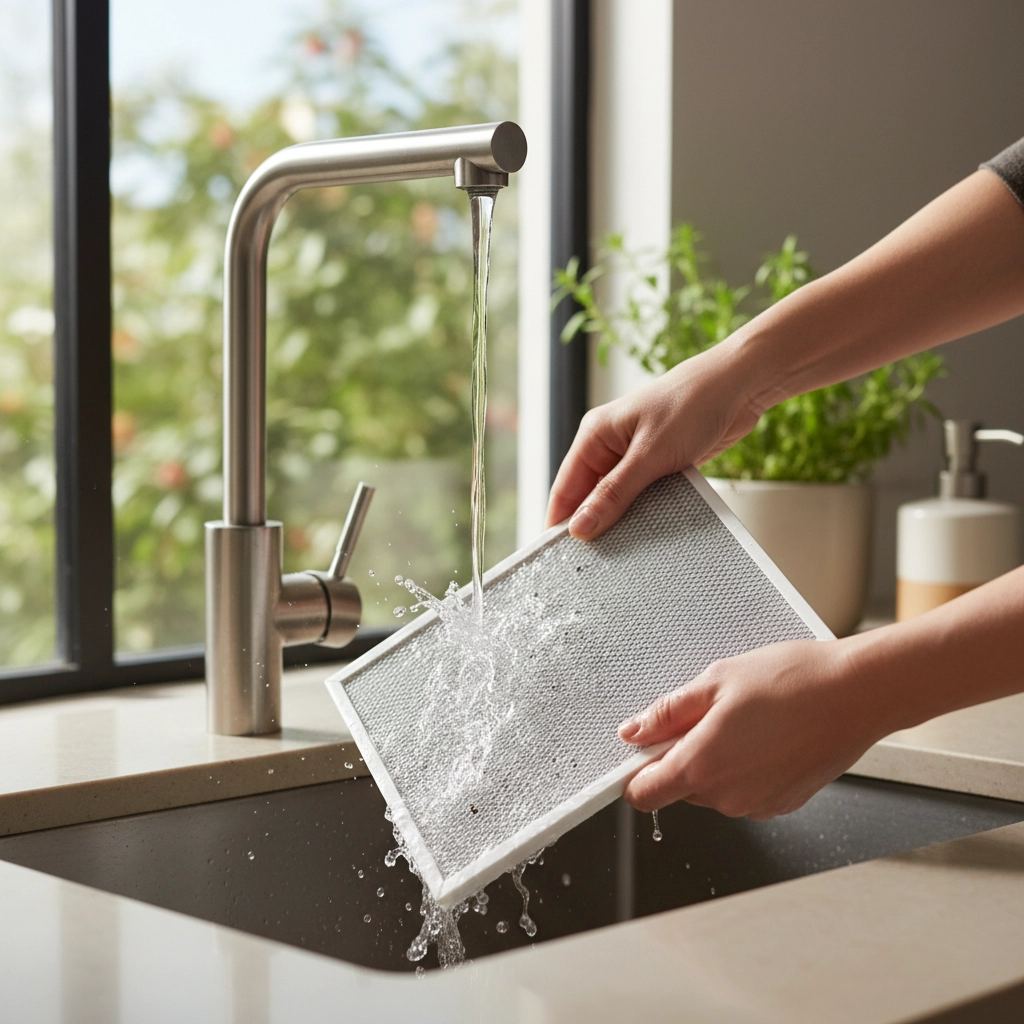
These filters use static electricity to grab particles: pretty cool, right? They’re made with materials that create an electric charge when air flows through them, attracting dust, pollen, and other particles like a magnet.
The Good:
- Save money long-term (one filter can last years)
- Environmentally friendly
- Great for pet owners
- Usually MERV 8-10 rating
The Not-So-Good:
- Higher upfront cost ($50-100+)
- You have to actually wash them (monthly)
- Less effective when they’re dirty
- Some people forget the maintenance part
Perfect for: Budget-conscious folks who don’t mind a little maintenance and want to reduce waste.
Pleated Filters: The Goldilocks Option
Made from cotton or polyester folds, pleated filters are like the Swiss Army knife of HVAC filtration: versatile, reliable, and just right for most homes.
The Good:
- Much better than basic fiberglass
- Catches pollen, mold, pet dander effectively
- Reasonable cost ($10-25 each)
- Available in various MERV ratings
- Lasts 1-2 months typically
The Not-So-Good:
- More expensive than basic filters
- Can restrict airflow if you go too high on MERV
Perfect for: Most Austin-area homeowners who want good air quality without breaking the bank or dealing with maintenance.
Carbon Filters: The Odor Fighters
Here’s where things get interesting for Central Texas folks. Carbon filters have an activated carbon layer that absorbs odors, chemicals, and gases. Think cooking smells, pet odors, or that lovely cedar pollen smell that makes your eyes water.
The Good:
- Eliminates odors and chemical fumes
- Great for homes with pets or smokers
- Helps with VOCs (volatile organic compounds)
- Often combined with pleated design for particle filtration
The Not-So-Good:
- More expensive than standard filters
- Carbon layer needs replacement when saturated
- Heavier, which some systems might not handle well
Perfect for: Homes with persistent odor issues, heavy cooking, pets, or anyone sensitive to chemical smells.
4-5″ Whole-House Filters: The Heavy Hitters
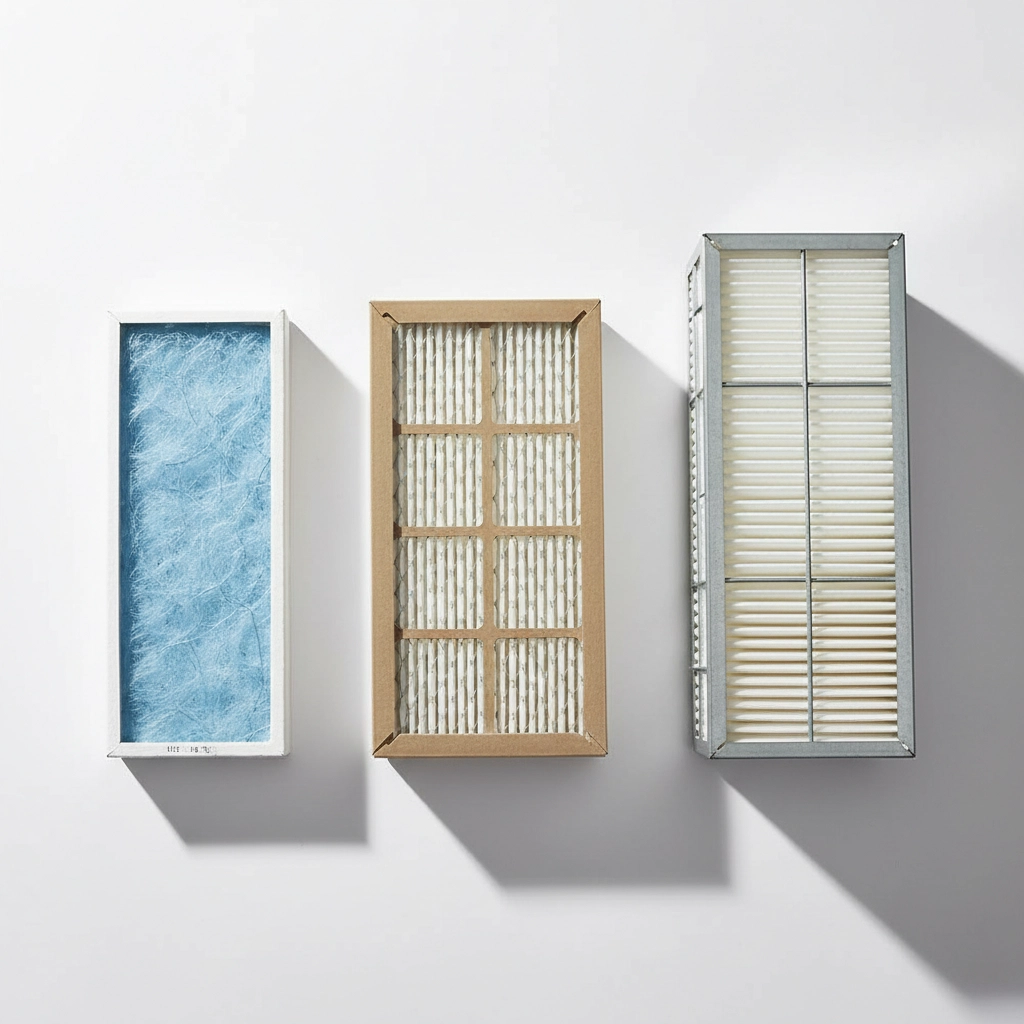
These thick media filters are like the luxury SUV of filtration: bigger, more capable, and designed for serious performance. They typically fit into a special cabinet at your indoor equipment or in your ductwork and offer massive surface area for filtration.
The Good:
- Last 6-12 months (some up to 2 years)
- MERV 11-16 without restricting airflow
- Catch incredibly small particles
- Less frequent changes save time and hassle
The Not-So-Good:
- Require special housing/cabinet installation
- Higher upfront cost for both filter and installation
- Not compatible with all systems
Perfect for: Homeowners with allergies, asthma, or those who want the best air quality possible and don’t mind the investment. You can read more about whole house filters here.
HEPA Filters: The Overachievers
HEPA filters remove 99.97% of particles 0.3 microns or larger. They’re amazing at what they do, but here’s the reality check: most residential systems can’t handle them without major modifications.
The Good:
- Ultimate filtration performance
- Essential for severe allergies or respiratory issues
- Catch viruses, bacteria, fine smoke
The Not-So-Good:
- Extremely expensive
- Restrict airflow significantly
- Require system upgrades for most homes
- Need professional consultation
Perfect for: Homes with serious health concerns, but only after confirming your system can handle them.
Choosing Your Fighter: What Works in Central Texas
Living in Austin and surrounding areas means dealing with some unique air quality challenges:
Spring Pollen Bomb (aka Cedar Fever season): You’ll want at least MERV 8, preferably MERV 10-11, to catch that fine cedar pollen. Consider upgrading temporarily during peak season.
Wildfire Smoke: When those distant wildfires send smoke our way, a MERV 11+ or carbon filter can help with both particles and that smoky smell.
Year-Round Dust: Central Texas dust is real. A good pleated MERV 8 filter changed every 1-2 months will keep most of it at bay.
Pet Owners: Combination pleated/carbon filters or electrostatic filters work great for dander and odors.
The Austin-Area Reality Check
Here’s what I’ve learned from years of working with local homeowners: the “best” filter is the one that balances your air quality needs with your system’s capabilities. A MERV 13 filter that chokes your system and doubles your energy bill isn’t helping anyone.
Most Austin-area systems do great with:
- MERV 8-10 pleated filters for general use
- Upgrade to MERV 11 during cedar season (December-February)
- Carbon filters if you’re dealing with persistent odors
- Whole-house media filters if you’re serious about air quality and willing to invest
Filter Maintenance Made Simple
Standard Pleated: Check monthly, replace every 1-2 months depending on usage and season.
Washable: Rinse monthly with garden hose, let air dry completely before reinstalling.
Carbon: Replace when odor control decreases, typically every 3-6 months.
Whole-House: Check every 6 months, replace when dirty or per manufacturer guidelines.
Pro tip: Set a phone reminder! It’s amazing how fast one or two months can fly by.
Red Flags to Watch For
Your filter might be wrong for your system if you notice:
- Dramatically higher energy bills
- System running constantly
- Reduced airflow from vents
- Ice forming on indoor unit
- System shutting off unexpectedly
When in doubt, call the pros. A proper system evaluation can save you money and prevent damage.
Making the Right Choice
The perfect filter for your home depends on your specific needs, budget, and system capabilities. Most Austin homeowners find that a quality MERV 8-10 pleated filter hits the sweet spot of performance, cost, and compatibility.
Remember, the best filter is one that you’ll actually change regularly. A dirty MERV 11 filter that’s been in there for six months isn’t doing you any favors compared to a fresh MERV 8 filter. Find out more about why changing your filter is important here.
Questions about what filter works best with your specific system? Give us a call at Accu-Temp. We’re always happy to help you breathe easier in this beautiful, if occasionally dusty and pollen-filled part of Texas.