
Is Upgrading Your SEER2 Rating Worth the Extra Cash? (A Guide for Central Texas Homeowners)

Let’s be real, shopping for a new air conditioner is about as fun as standing in your driveway in August with a broken AC unit. You’re juggling brand names, confusing acronyms, warranty details, and a salesperson who’s probably throwing around terms like “SEER2” and “variable speed” like you’re supposed to know what that all means.
Here’s the thing that probably drove you to this article: You want to know if spending extra on a higher-efficiency system is actually going to save you money, or if it’s just fancy marketing.
Fair question. And at Accu-Temp, we’re not here to upsell you on bells and whistles you don’t need. Let’s break down the real difference between a base 14 SEER2 system (the current minimum efficiency standard in Texas) and those shinier, pricier high-efficiency models, and whether the upgrade is worth your hard-earned cash.
First Things First: What the Heck is SEER2?
SEER2 stands for Seasonal Energy Efficiency Ratio 2, which is just a fancy way of measuring how efficiently your AC uses electricity to cool your home. Think of it like miles-per-gallon for your car, the higher the number, the less energy (and money) it takes to keep you cool.
As of 2023, 14 SEER2 is the baseline for air conditioners in Texas and the rest of the southern U.S. Anything below that isn’t even legal to install anymore. But you can go higher, 16, 18, 20, even 22+ SEER2 for the top-of-the-line systems.
The question isn’t whether higher is better (it is). The question is whether it’s better enough to justify the upfront cost.
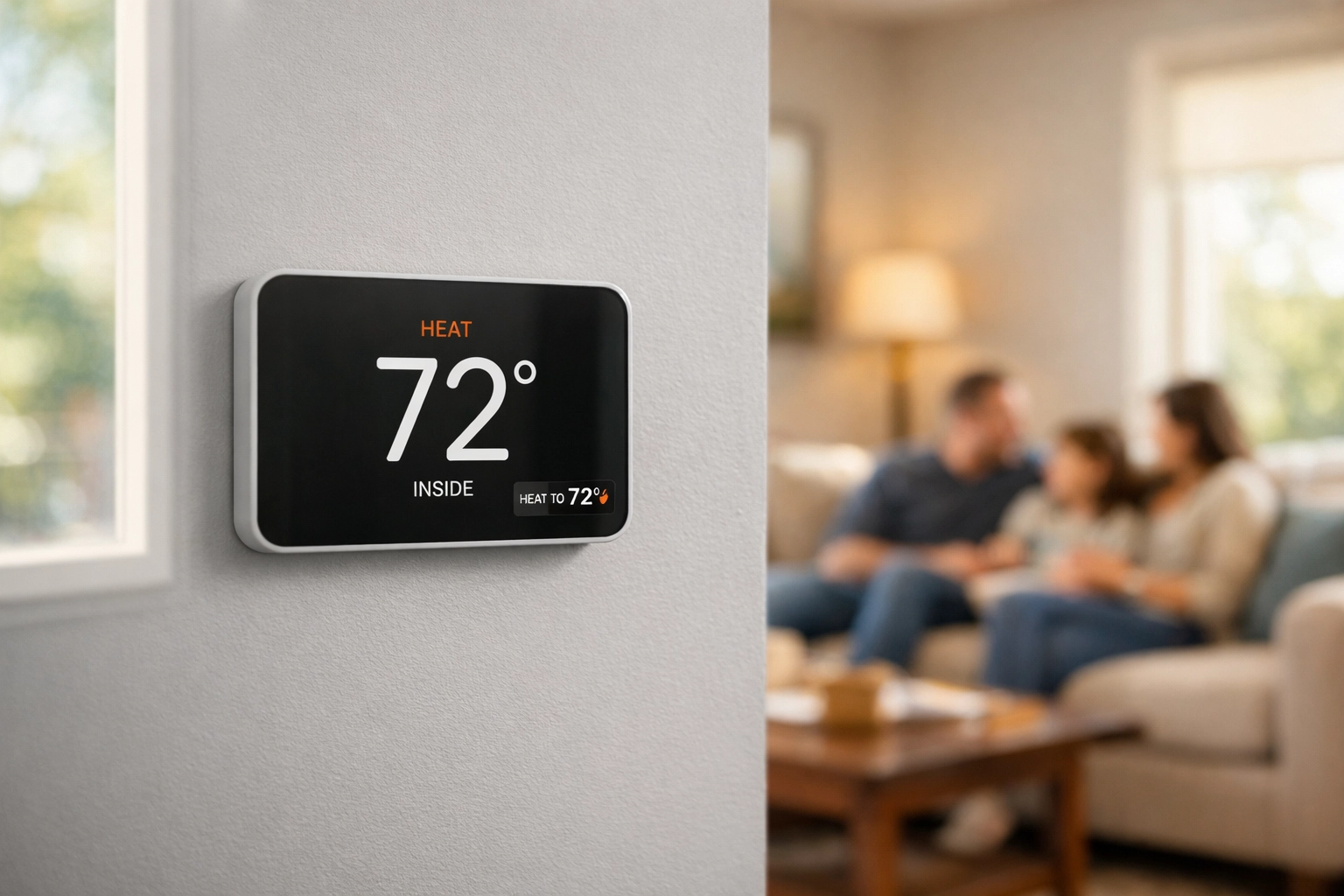

The Dollars and Cents Breakdown
Let’s talk money, because that’s what really matters when you’re staring at a quote that’s a few thousand dollars higher for the “premium” model.
Moving from 14 SEER2 to 16 SEER2
Upgrading from a base 14 SEER2 system to a 16 SEER2 unit will save you roughly 10-15% on your cooling costs. Not bad, but not earth-shattering either.
If your summer electric bills average around $300 a month (which is pretty typical for a 2,000-square-foot home in Central Texas running the AC hard from May to September), you’re looking at saving about $30-$45 per month during peak season.
That’s $150-$225 over a full summer. Multiply that by the 12-15 year lifespan of your system, and you’re looking at $1,800 to $3,375 in total savings. Whether that offsets the higher upfront cost depends on your specific quote, but it’s definitely worth asking your HVAC contractor to crunch the numbers for you.
Jumping to 18-20 SEER2 (High Efficiency Territory)
Now we’re talking. High-efficiency systems in the 18-20 SEER2 range can cut your cooling costs by 20-30% or more compared to a base 14 SEER2 unit.
Using that same $300 summer bill example, you could save $60-$90 per month. Over five brutal Texas summers? That’s $1,500 to $2,250. Over the life of the system? You’re looking at $3,600 to $5,400 in savings.
Plus, if you’re installing a new system, you may qualify for utility rebates from your home electric provider. To be eligible, your system needs to hit at least 15 SEER2 for split systems. Those rebates can knock a serious chunk off your upfront investment, making the upgrade a no-brainer. Check the website of your electric company to confirm if they offer any rebates at the time of your system replacement.
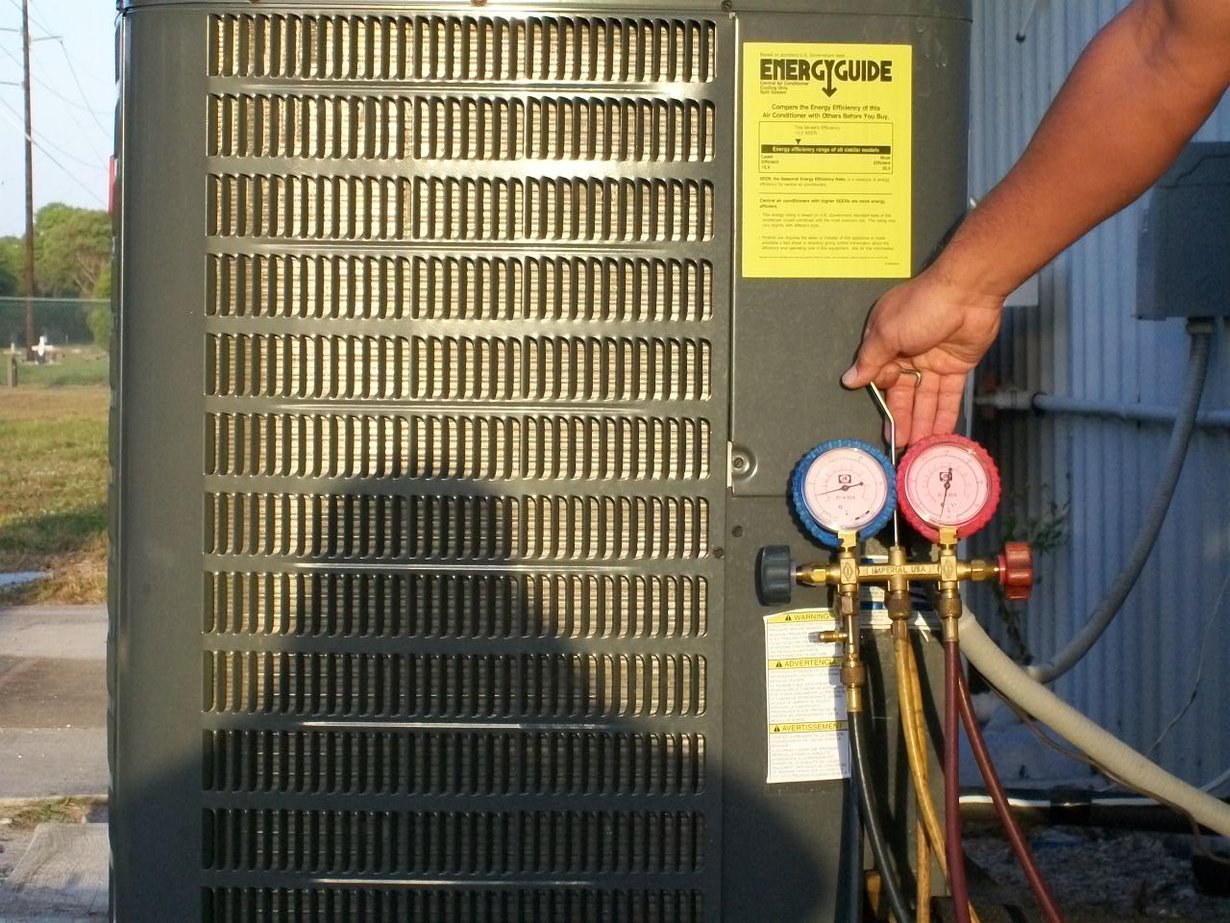
The Comfort Factor: It’s Not Just About the Bills
Here’s where things get interesting, and where a lot of homeowners realize that efficiency isn’t just about saving money. It’s about living in a home that actually feels comfortable, not just “cold.”
Humidity Control: The Game-Changer for Austin Summers
If you’ve lived in Central Texas for more than five minutes, you know it’s not just the heat, it’s the humidity. A 95-degree day with 70% humidity feels like you’re breathing soup.
Here’s the secret: Higher-efficiency systems, especially those with variable-speed technology, are way better at pulling moisture out of the air.
Base 14 SEER2 systems are typically single-stage, meaning they run at full blast until your home hits the set temperature, then shut off. Rinse and repeat. That’s fine for cooling, but it doesn’t give the system enough runtime to really dehumidify your home.
Variable-speed systems (usually found in 16+ SEER2 units) can run at lower speeds for longer periods of time. They’re constantly circulating air, which means they’re constantly removing humidity. The result? Your home feels cooler at a higher thermostat setting, which means even more energy savings and way less of that clammy, sticky feeling.
In a place like Austin, Round Rock, or Georgetown where summer humidity can hit 80%+, this isn’t a luxury, it’s a sanity-saver.
Quiet Operation: Say Goodbye to the “Clunk”
You know that jarring sound when your AC kicks on? The loud hum, the rattle, the sudden rush of air? That’s your single-stage compressor going from zero to 100 in a split second.
Higher-efficiency systems use soft-start technology and variable-speed compressors that ramp up gradually instead of slamming on like a freight train. The result:
- Quieter operation (both indoors and outdoors)
- Less wear and tear on your system, which can extend its lifespan
- Better sleep if your bedroom is near the air handler or outdoor unit
It might not sound like a big deal until you experience it. But once you’ve lived with a quiet, smooth-running system, going back to the old “clunk-and-roar” feels like moving from a luxury sedan to a diesel truck. Want to learn more about the components of a system? Read more here.
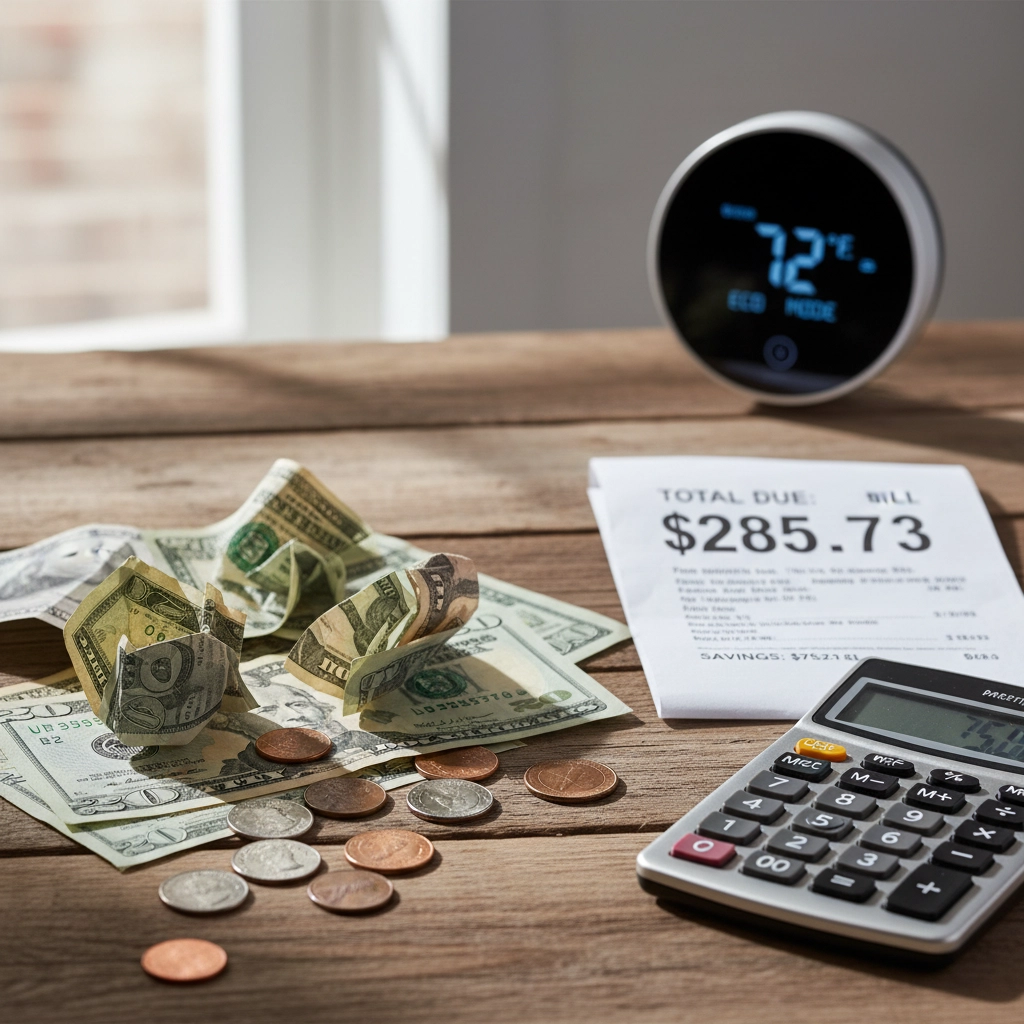
So… Is It Actually Worth It?
Alright, let’s cut through the noise and give you the honest answer.
If You’re Planning to Move in the Next 2-3 Years:
Stick with the 14 SEER2 base model. You won’t be in the home long enough to recoup the higher upfront cost through energy savings, and the next buyer probably won’t care enough to bump up your home’s value by the same amount you spent on the upgrade.
If This is Your “Forever Home” (or Close to It):
Go for at least 16 SEER2, and seriously consider 18+ if your budget allows. The energy savings add up over time, but the real value is in the comfort: lower humidity, quieter operation, and a more consistent temperature throughout your home.
And if you’re installing a heat pump and qualify for federal rebates, the math gets even better. Those rebates can shave off a big chunk of the upfront cost, making a high-efficiency system way more accessible.
If You’re Somewhere in the Middle:
Talk to your HVAC contractor (shameless plug: we’re happy to help at Accu-Temp). Have a conversion about the efficiency level that best fits your needs:
- Upfront cost difference
- Estimated monthly savings
- Payback period (how long it takes for energy savings to offset the higher price)
A good contractor will give you the straight truth, not just push you toward the most expensive option.
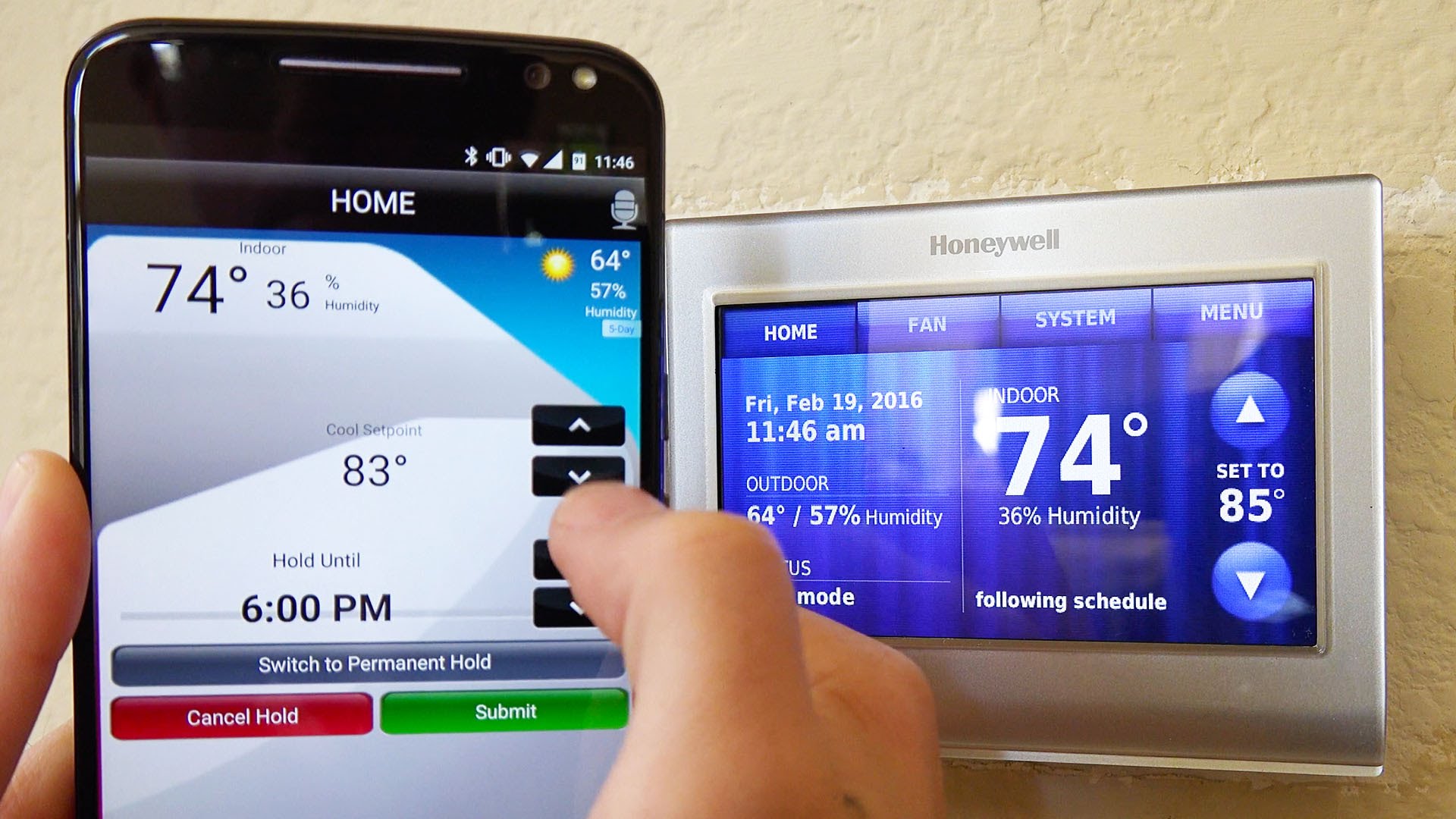
The Bottom Line
Choosing between a base 14 SEER2 system and a higher-efficiency model isn’t just about crunching numbers: it’s about what matters most to you. If you’re purely focused on the lowest upfront cost and you’re not staying long, the base model is fine. But if you want lower bills, better humidity control, and a quieter, more comfortable home, the upgrade pays for itself in more ways than one.
At Accu-Temp, we’ve been helping Central Texas homeowners make this exact decision for years. We’re not here to sell you something you don’t need: we’re here to make sure you get a system that fits your home, your budget, and your lifestyle.
Questions about SEER2 ratings or want a custom quote? Give us a call or reach out through our website. We’ll walk you through the options, no pressure, no nonsense: just honest advice from folks who’ve been doing this a long time.
Stay cool out there. ❄️