
What Does “Auxiliary Heat” Mean on My Thermostat? (A Guide for Central Texas Homeowners)
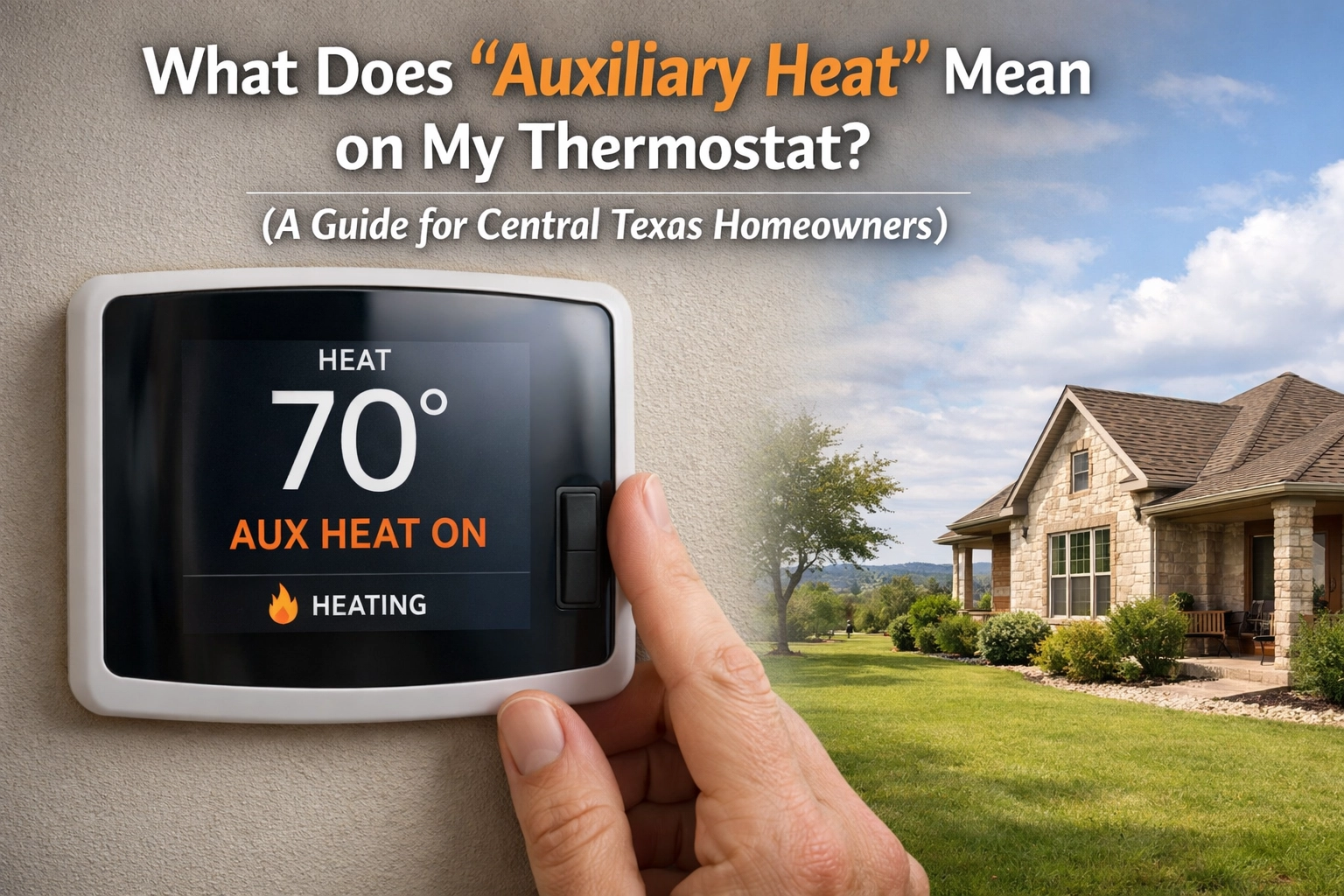
You wake up on a chilly Austin morning, walk past your thermostat, and notice something you’ve never seen before: “AUX HEAT” or just “AUX” flashing on the display.
Your first thought? Uh-oh. Something’s broken.
But here’s the good news: Auxiliary heat is usually a perfectly normal part of your heating system. It doesn’t automatically mean you need a repair. In fact, it’s often just your HVAC system doing exactly what it’s supposed to do when temperatures drop.
That said, understanding why it’s turning on: and when it might signal a problem: can save you money and help you avoid unnecessary service calls. Let’s break it down.
Understanding Your Heating Setup
Before we dive into auxiliary heat, it helps to know what kind of heating system you have. In Central Texas, there are two common setups:
Heat Pump Systems
A heat pump is like a reversible air conditioner. In the summer, it pulls heat out of your house and dumps it outside. In the winter, it does the opposite: it pulls heat from the outdoor air and brings it inside.
Even when it’s 40°F outside, there’s still heat energy in the air that a heat pump can extract. Pretty cool, right?
But here’s the catch: when temperatures drop into the 30s or below, heat pumps struggle to pull enough warmth from the outside air to keep your home comfortable. That’s where auxiliary heat comes in.
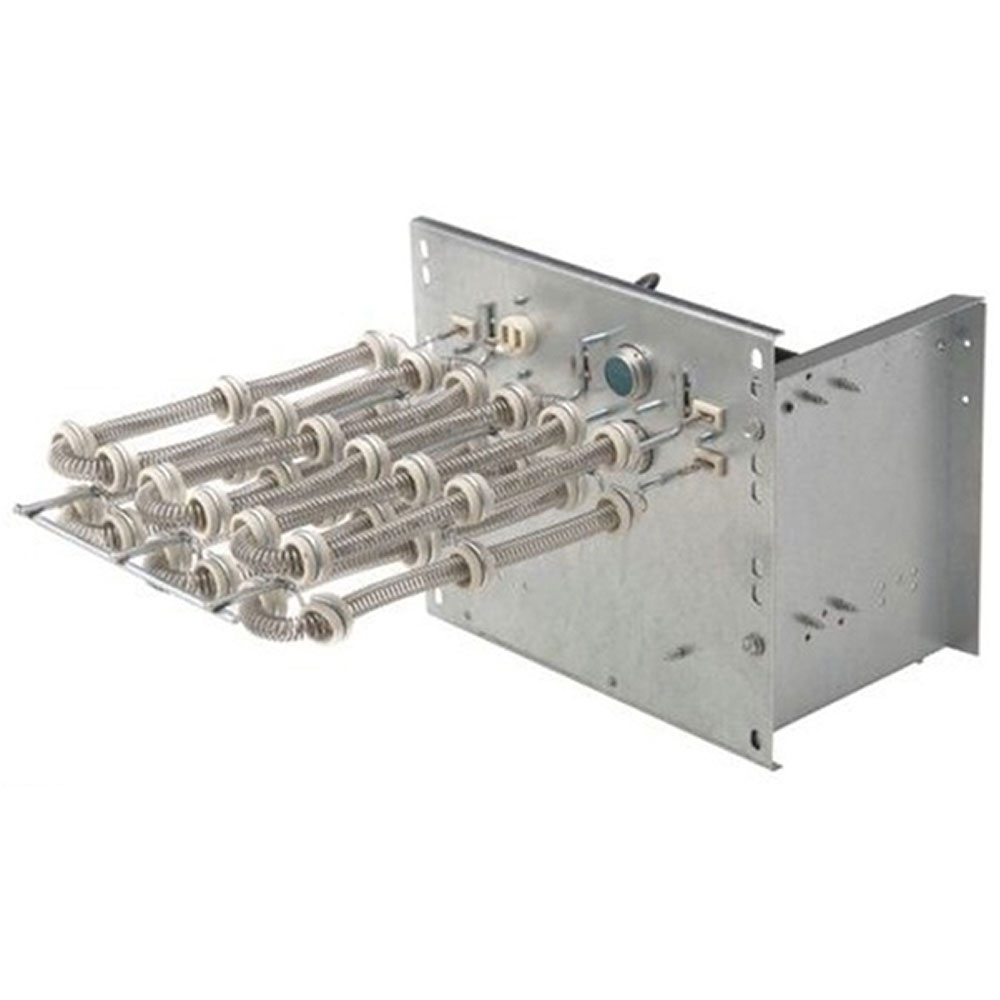
Inside your indoor air handler (the big metal box in your attic or closet), there are electric heat strips: kind of like the coils inside a toaster. When your heat pump needs backup, those strips fire up to give your system a boost.
Cooling-Only Systems with Electric Heat Kits
Some Central Texas homes: especially older ones: have a traditional air conditioning condenser outside paired with an indoor air handler that has an electric heat kit installed inside.
In this setup, the outdoor unit only cools. It doesn’t provide heat at all. So when winter rolls around, those electric heat strips in the air handler are your only source of warmth.
If you have this type of system, you’ll see “AUX HEAT” on your thermostat anytime the heat is running: because that’s the only heating you’ve got.
What Is Auxiliary Heat, Exactly?
Auxiliary heat is your secondary heating source. It kicks in automatically to help your heat pump keep up with your desired temperature.
Think of it like this: your heat pump is the main engine, and auxiliary heat is the turbo boost. When the main engine can’t do the job alone, the backup kicks in to help out.
Your thermostat monitors the indoor temperature constantly. If it detects that the heat pump isn’t keeping up, it signals the electric heat strips to turn on. You’ll see “AUX” or “AUX HEAT” appear on the display when this happens.
Why Does Auxiliary Heat Turn On?
There are a few common reasons you’ll see auxiliary heat activate:
1. It’s Too Cold Outside
When outdoor temperatures drop below 35–40°F, your heat pump has to work much harder to extract warmth from the air. At a certain point, it simply can’t keep up on its own.
That’s when the auxiliary heat strips kick in to make up the difference. This is completely normal and nothing to worry about.
2. You Cranked the Thermostat Up Too Fast (The “3-Degree Rule”)
Let’s say your home is sitting at 68°F, and you bump the thermostat up to 73°F all at once. Your heat pump looks at that 5-degree gap and thinks, “No way I can handle that on my own.”
So it immediately calls for backup: the auxiliary heat strips fire up to help bring your home to temperature faster.
Pro tip: If you want to avoid triggering auxiliary heat (and the higher electric bill that comes with it), adjust your thermostat in 2-degree increments and give the system a few minutes to catch up before adjusting again.

3. Defrost Mode
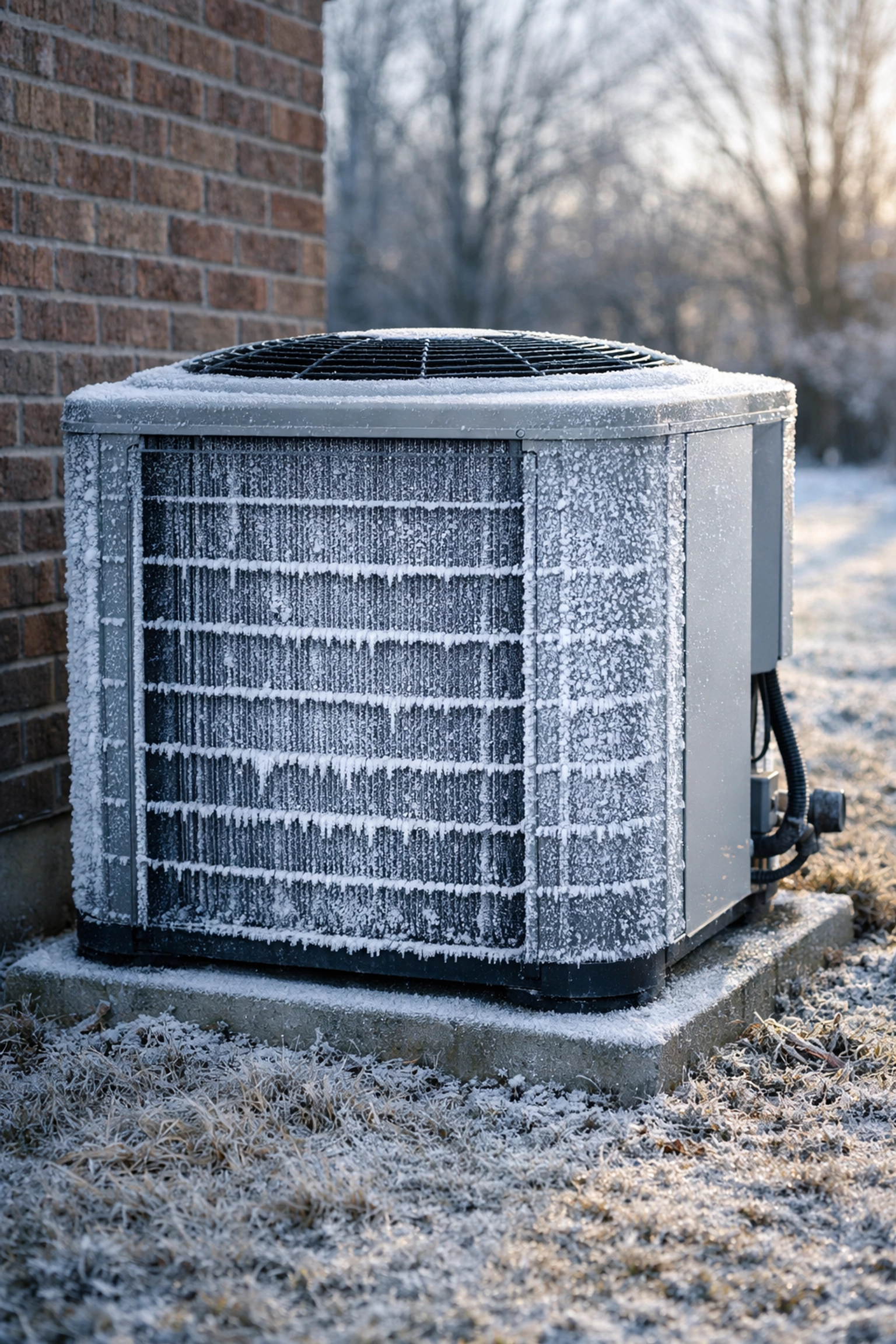
Here’s something most homeowners don’t know: when it’s cold and humid outside, frost can build up on your outdoor heat pump unit. If that frost isn’t cleared, it can damage the equipment.
To prevent this, your heat pump will periodically go into defrost mode. It temporarily reverses itself: acting like an air conditioner: to melt the ice off the outdoor coil.
But here’s the problem: while it’s defrosting, it’s not heating your home. In fact, it’s blowing cool air for a few minutes.
To keep you comfortable during this process, the auxiliary heat strips automatically turn on. Once the defrost cycle is done, everything goes back to normal.
4. Your Heat Pump Isn’t Working Properly
If auxiliary heat is running constantly: even when it’s 50°F or 60°F outside: that’s a red flag. It could mean:
- Your heat pump isn’t operating correctly
- Your outdoor unit is low on refrigerant
- A sensor or control board is malfunctioning
In cases like this, your system is relying entirely on the expensive electric heat strips instead of the more efficient heat pump. That’s when your electric bill can skyrocket: and when it’s time to call Accu-Temp for an honest diagnostic.
Auxiliary Heat vs. Emergency Heat: What’s the Difference?
A lot of folks get these two mixed up, so let’s clear it up.
Auxiliary Heat (AUX):
- Turns on automatically when your heat pump needs help
- Works alongside your heat pump
- Completely normal during cold weather
Emergency Heat (EM HEAT or E-HEAT):
- A manual setting you activate on your thermostat
- Shuts off your heat pump entirely and only uses the backup heat
- Should only be used if your outdoor unit is broken or malfunctioning
Emergency heat is much more expensive to run because it relies entirely on electric resistance heating. You should only use it in true emergencies: like if your heat pump has failed and you’re waiting for a repair.
If you accidentally switch your thermostat to emergency heat and leave it there, you’ll see a shockingly high electric bill at the end of the month. Trust us: we’ve seen it happen.
How to Keep Your Electric Bill Down
Auxiliary heat uses a lot more electricity than your heat pump. While it’s normal for it to kick in during cold snaps, you don’t want it running more than necessary.
Here are a few simple ways to keep your heating costs in check:
Use the 2-Degree Trick
Instead of cranking your thermostat up by 5 degrees at once, adjust it 2 degrees at a time. Wait 10–15 minutes before adjusting again. This gives your heat pump a chance to do the work without calling for backup.
Keep Your Heat Pump Clean
A dirty outdoor unit has to work harder, which means it’s more likely to trigger auxiliary heat. Make sure leaves, grass clippings, and debris aren’t clogging the fins on your outdoor condenser.
Schedule a Tune-Up
If your heat pump is low on refrigerant or has a dirty coil, it won’t heat efficiently: meaning the auxiliary heat will run more often. A seasonal tune-up from Accu-Temp can catch these issues before they cost you money.
When Should You Call Accu-Temp?
Seeing “AUX HEAT” during a cold snap? That’s normal. But here are a few signs that something might be wrong:
- Auxiliary heat is running when it’s 50°F or warmer outside
- Your electric bill suddenly triples without explanation
- Your thermostat is stuck on “Emergency Heat” and you didn’t switch it manually
- Your outdoor unit isn’t running at all, but the indoor unit is blowing warm air
If any of these sound familiar, give us a call at (512) 636-9555. We’ll come out, run an honest diagnostic, and let you know exactly what’s going on: no games, no gimmicks.
We’ve helped hundreds of Central Texas homeowners understand their heating systems and keep them running efficiently. If something doesn’t seem right, we’re here to help.
The Bottom Line
Auxiliary heat isn’t the enemy. It’s a backup system designed to keep you comfortable when your heat pump needs a little extra help.
But understanding when and why it turns on can help you avoid unnecessary costs and catch potential problems early.
If you’ve got questions about your specific system: or if you want to make sure everything’s running the way it should: reach out to the team at Accu-Temp. We’re always happy to explain what’s happening with your HVAC system in plain English.
Stay warm out there, Central Texas.