
The Blower Motor: The Part of Your Furnace That Runs Even When You’re Not Heating
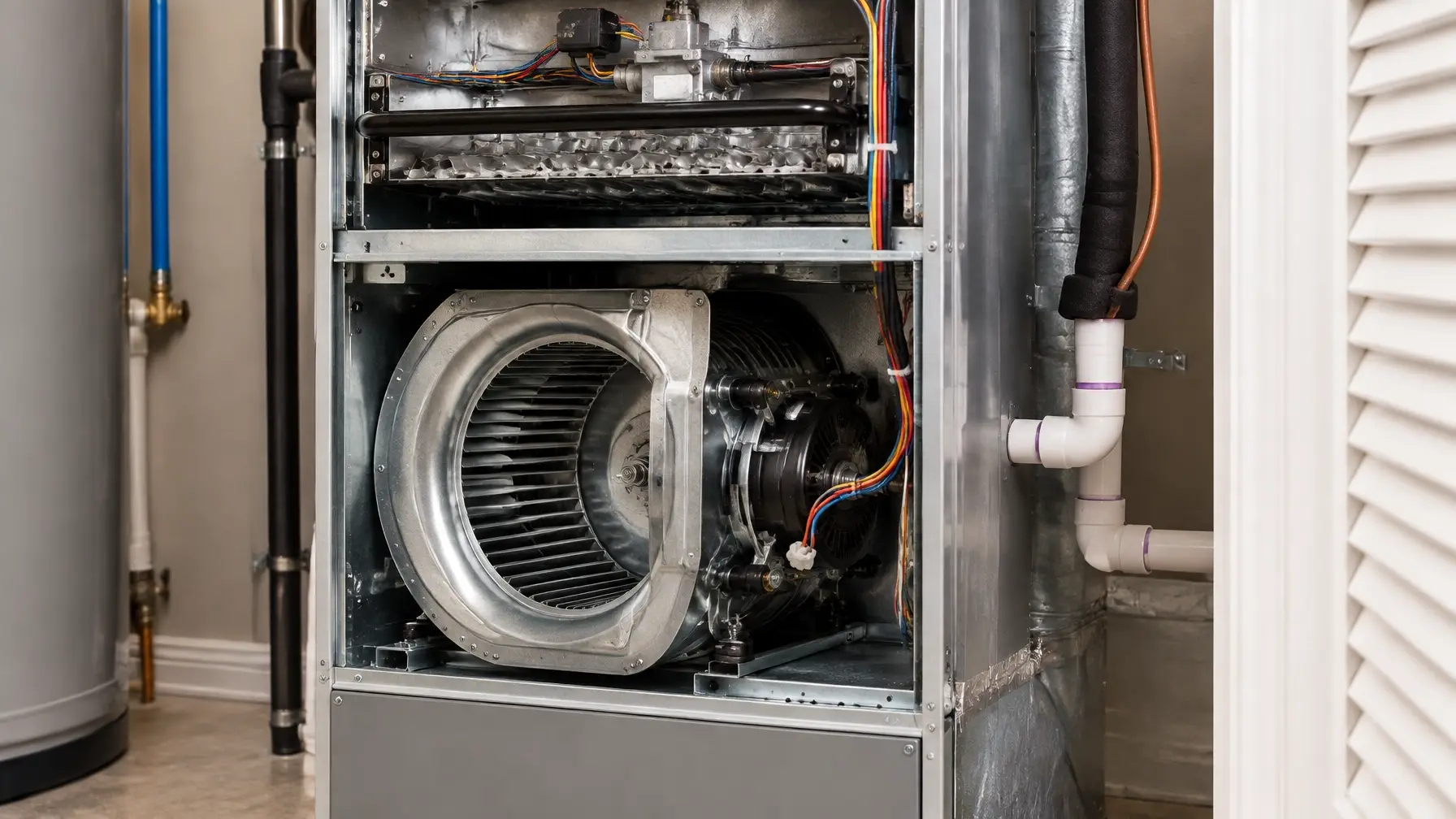
When you think about your furnace, you probably think about the burner, heat exchanger, or thermostat. But there is another component doing essential work every time air moves through your home: the blower motor.
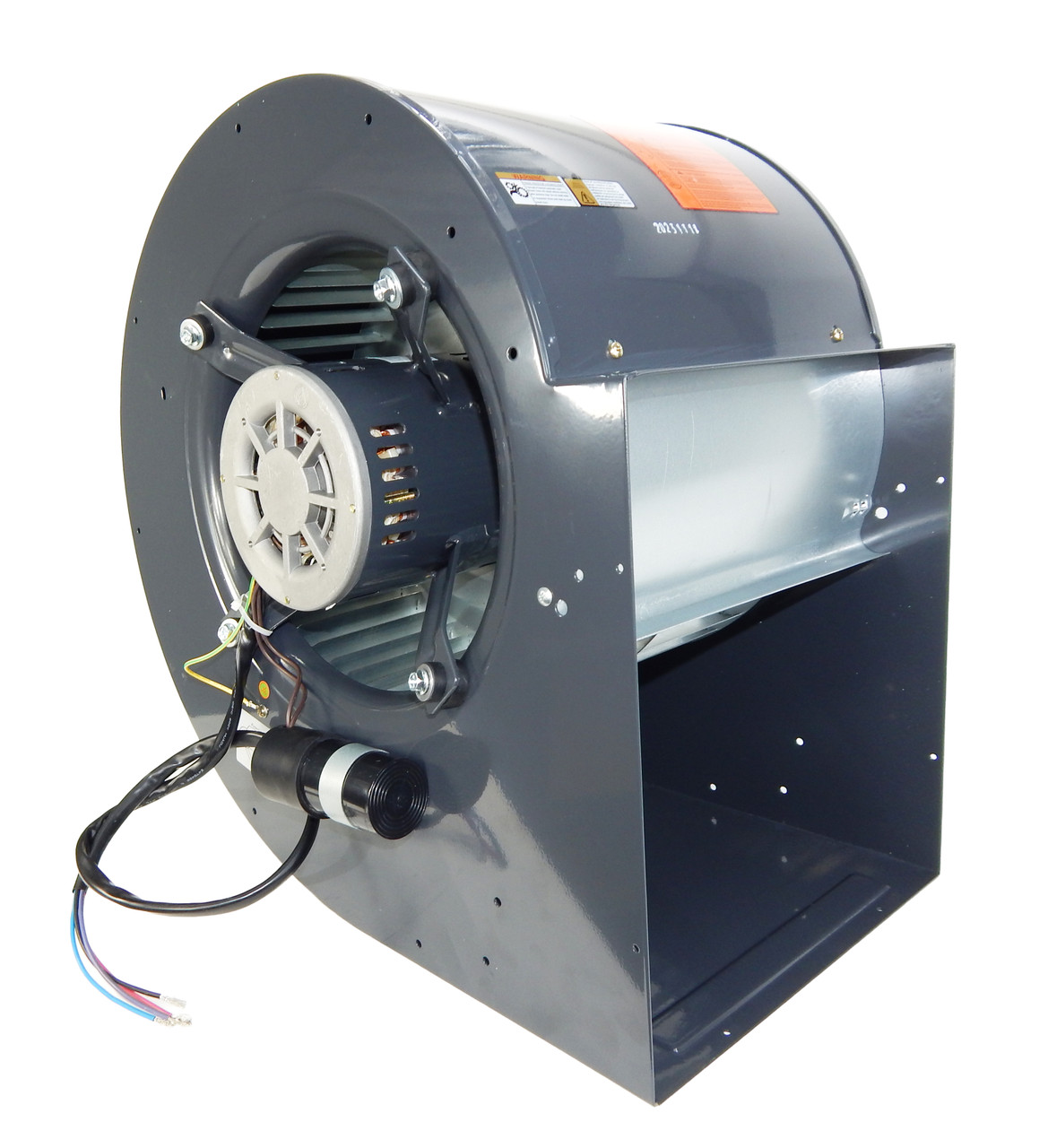
The blower motor is found inside a furnace or air handler, usually paired with a round, cage-like fan called the blower wheel. Without it, your system might produce heat or cooling, but none of that conditioned air would reach the rooms through your vents.
Even more importantly, the blower motor can run when your furnace is not heating at all. It operates during cooling, fan-only circulation, and sometimes for many hours a year in homes where the thermostat is set to circulate air continuously.
What does a blower motor do?
The blower motor is the electric motor that spins the blower wheel. That wheel pulls air in through the return duct, pushes it across the indoor coil or heat exchanger, and sends it back through the supply ducts to your rooms.
It is the heart of your home’s air distribution system:
- The compressor and outdoor equipment help create cooling.
- A burner and heat exchanger create heat in a furnace.
- The blower motor moves the resulting air through the home.
In a cooling system, the blower moves indoor air across the evaporator coil. With a furnace, it moves air across the heat exchanger. In fan-only mode, it moves air without heating or cooling it first.
That is why a blower problem can look like an entirely different HVAC failure. You may hear the air conditioner running outside, but feel almost nothing from the vents. Or the furnace may ignite briefly, yet the home never warms properly because the blower is not distributing the air.

Why does the blower run when you are not heating?
There are several normal reasons.
1. Your air conditioner is running
Many homes use a furnace and central air conditioner together. The furnace cabinet contains the blower, while the outdoor AC unit contains the compressor and condenser. During cooling season, the blower still operates, just to move air across the indoor evaporator coil instead of across the furnace heat exchanger.
The same is true for many heat pump systems with an air handler. The air handler’s blower distributes heated or cooled air depending on the system’s operating mode.
2. The thermostat is set to FAN ON
Most thermostats offer at least two fan settings:
- AUTO: The blower runs only when the system is actively heating or cooling.
- ON: The blower runs continuously, even when the heating or cooling equipment is off.
- CIRCULATE: On some thermostats, the blower runs periodically to mix and filter the air without operating continuously.
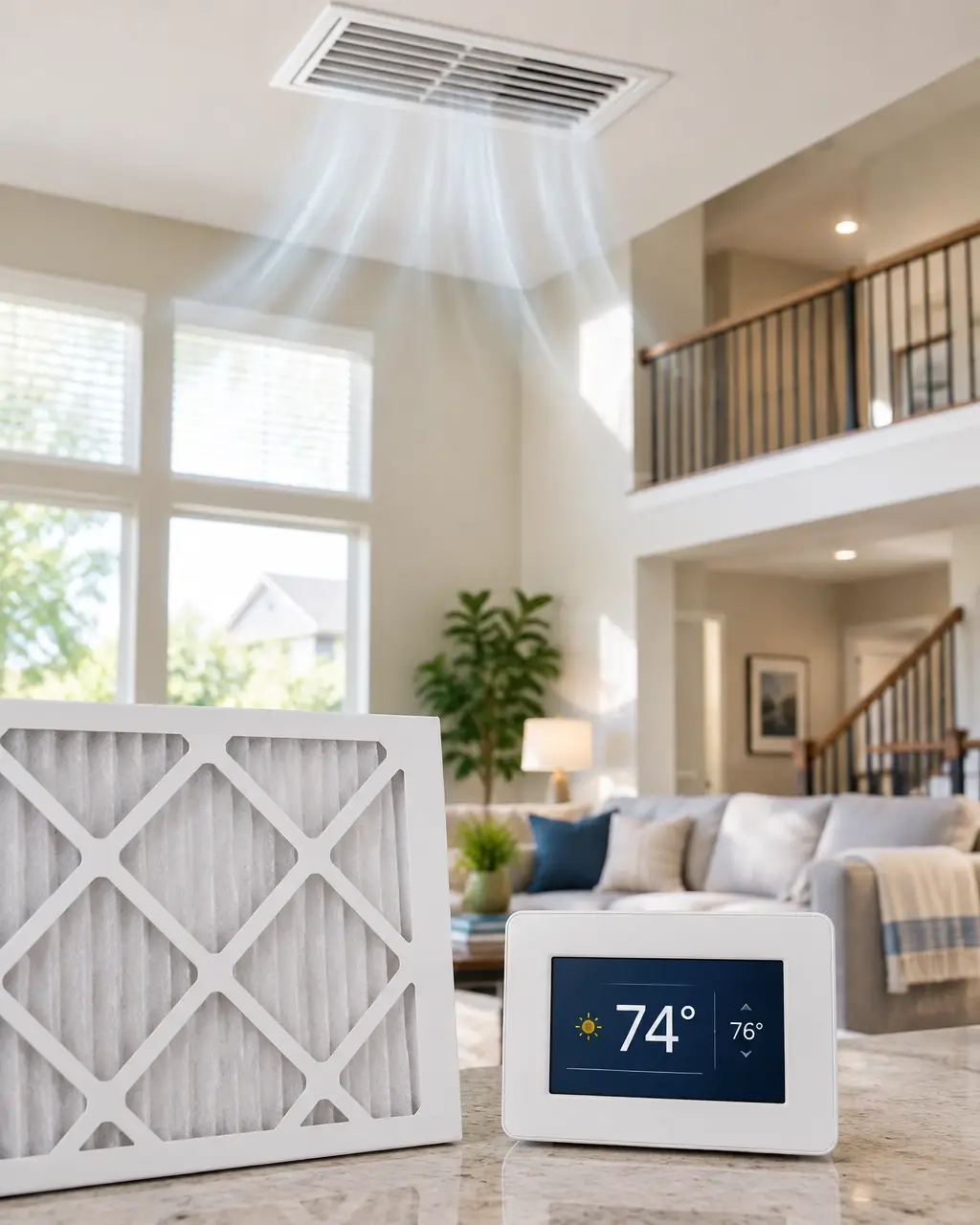
Fan-only circulation can be useful in Central Texas homes. It may help even out temperatures between floors, reduce hot upstairs bedrooms, and prevent some rooms from feeling stuffy. It also helps the filter do its job, because air must be moving through the filter for particles to be captured.
There is a trade-off, however. Running the fan without cooling can sometimes re-evaporate moisture from a wet indoor coil after an air-conditioning cycle. That may make the home feel more humid. If your house already feels damp, ask an HVAC professional whether AUTO, ON, or CIRCULATE is the best choice for your system.
Continuous fan operation also means continuous runtime hours. A blower that runs year-round may wear out sooner than one used only during heating and cooling calls.
PSC vs. ECM blower motors
Not all blower motors work exactly the same way.
PSC motors
A PSC, or permanent split capacitor, motor is the older, simpler workhorse found in many existing Austin-area systems. It commonly uses a separate run capacitor and operates at one selected speed or a few fixed speeds.
PSC motors are generally straightforward to diagnose and repair. A failed capacitor, relay, or motor can often be replaced without replacing the entire HVAC system.
ECM and variable-speed motors
An ECM, or electronically commutated motor, uses electronic controls to adjust its speed. You may also hear terms such as:
- Variable-speed motor
- Constant-torque motor
- Variable-airflow motor
These motors can ramp up gently, run quietly at lower speeds, and adjust airflow more precisely. That can improve comfort, reduce temperature swings, and support better humidity control. Variable-speed blowers are one reason modern systems can feel more even and dehumidify better than older systems.
The trade-off is cost and complexity. ECM motors and their electronic modules are typically more expensive to replace and can be more sensitive to electrical problems or control-board issues.
Signs your blower motor may be failing
A blower problem does not always announce itself clearly. Watch for:
- No air coming from the vents
- Weak or uneven airflow
- Airflow that stops in the middle of a heating or cooling cycle
- A humming sound without the blower wheel spinning
- Rattling, screeching, or grinding noises
- A burning or overheated smell
- A motor that runs unusually hot
- The system tripping a breaker
- Repeated low-voltage fuse or capacitor failures
- Higher electric bills without a clear change in usage
- Ice forming on the indoor coil because of low airflow
- A furnace shutting down on a high-limit safety trip
A weak blower is sometimes misdiagnosed as a bad compressor, an undersized system, or a need for a larger unit. Measuring airflow and static pressure helps determine whether the blower is actually the problem, or whether restrictions in the ductwork or return system are causing the symptoms.
What causes blower motor problems?
Several issues can shorten a blower’s life:
- Dust and dirt buildup on the blower wheel, creating imbalance and drag
- Worn bearings or bushings
- A failed run capacitor
- A failing control board or relay
- A clogged or overly restrictive filter
- Undersized return ductwork
- Blocked return grilles or supply registers
- Loose or failing electrical connections
- Excessive heat in a 150°F attic
- Short cycling that repeatedly starts and stops the motor
- High static pressure caused by restrictive or undersized returns
High static pressure is a particularly serious concern in some older homes. When the blower has to fight against restricted return air, it works harder, runs hotter, and can wear out prematurely. A filter that is technically high quality can still be a poor choice if its MERV rating restricts airflow beyond what the system can handle.
Can a blower motor be repaired or should it be replaced?
The answer depends on what failed and how old the rest of the system is.
A capacitor or relay may be a relatively simple repair. If the motor itself has failed, replacement is often a moderate repair that makes sense when the system still has useful life remaining.
If the furnace or air handler is around 12–15 years old or more, and the blower failure is one of several expensive problems, replacement may deserve consideration. That does not mean every older system should be replaced. A reliable system with one repair may be worth fixing, while an older system with repeated failures may not be.
At Accu-Temp, we believe the right answer depends on your equipment, repair history, comfort needs, and budget, not on a sales quota. We will explain whether repair or replacement makes more sense for your particular system.
What homeowners can safely check
You can take several safe steps to protect the blower:
- Turn the system off before opening any access panel.
- Change the filter on schedule. This is one of the most important things you can do for the blower motor.
- Use the correct filter size and a MERV rating your system can handle. Our HVAC filter guide explains why a higher rating is not always better.
- Keep supply registers and return grilles unobstructed.
- Keep the outside of the equipment cabinet and surrounding area clean.
- Listen for unusual sounds and note when they occur.
- Record whether the issue happens during heating, cooling, or fan-only operation.
Do not put your hand into the blower compartment. There may be live wiring, and the blower wheel can start spinning unexpectedly. Leave these tasks to a professional:
- Removing and cleaning the blower wheel
- Testing capacitors and relays
- Diagnosing the control board
- Measuring static pressure and airflow
- Checking motor amperage
- Repairing or testing electrical connections
The practical takeaway
The blower motor is one of the most-used moving parts in your HVAC system. It operates during heating, cooling, and fan-only circulation, and in some homes, it runs throughout the year.
That makes regular filter changes the cheapest insurance you have for it. Keep the airflow path open, use the right filter, and pay attention to new noises or changes in airflow.
If you are told that you need a blower motor, it is reasonable to ask what was tested, whether the capacitor and controls were checked, and whether restricted airflow or high static pressure contributed to the failure. A clear diagnosis should explain not only what failed, but also why it failed.
For honest HVAC diagnostics, blower motor repair, maintenance, or replacement advice in Austin and the surrounding Central Texas area, contact Accu-Temp Air Conditioning & Heating. We will give you the information you need to make a decision that fits your home and your budget.