
How to Safely Defrost Your Frozen HVAC Evaporator Coil (And Why It Happened)

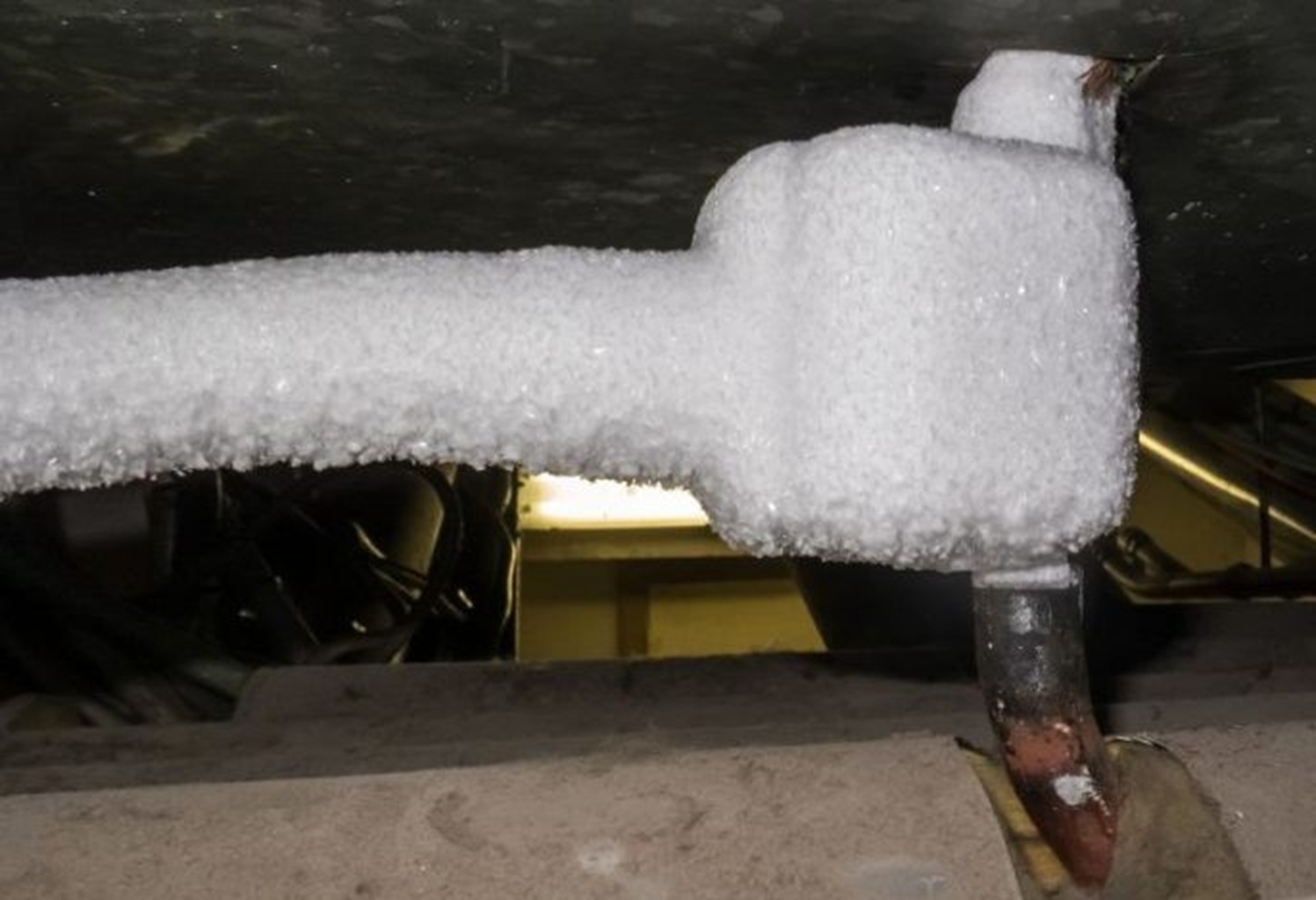
It’s one of those blistering Texas afternoons where the humidity is thick enough to chew on. You walk inside, expecting that sweet blast of cold air, but instead, the house feels stuffy. You check the vents, hardly a whisper of air. You walk over to your indoor unit or check the copper lines outside and see something that looks like it belongs in the Arctic: a thick, stubborn layer of white ice.
Wait, ice? In this heat?
It sounds like a contradiction, but a frozen evaporator coil is one of the most common issues we see at Accu-Temp Air Conditioning & Heating. While it might look cool (literally), it’s a sign that your system is struggling. If you don’t handle it the right way, you could end up with a giant puddle on your floor or, worse, a broken compressor.
Today I’m going to walk you through exactly how to defrost your system safely, why it happened in the first place, and how to make sure it doesn’t happen again.
Telltale Signs Your AC is Having an Identity Crisis (And Turning Into an Icebox)
Before we get into the “how-to,” let’s make sure you’re actually dealing with a frozen coil. Sometimes a system just isn’t cooling well because of a thermostat setting or a tripped breaker, but a freeze-up has very specific symptoms.
- Visible Ice: This is the most obvious one. You might see ice forming on the copper “suction line” (the larger, insulated pipe) leading into your outdoor unit. You might also see ice physically encrusting the indoor evaporator coil if you open up your furnace or air handler cabinet.
- The “Ghost” Airflow: Your indoor fan is running, you can hear the hum of the motor, but when you put your hand up to the supply vents, you feel little to no air coming out. This happens because the ice has literally blocked the pathways between the coil fins, acting like a frozen wall that air can’t pass through.
- Water Everywhere: If you see water dripping from the bottom of your indoor unit or filling up your emergency drain pan, it’s often because the ice is starting to melt unevenly or the condensation is overtopping the narrow drainage channels.
- Hissing or Bubbling Sounds: Sometimes, as the refrigerant struggles to move through a frozen or restricted system, you’ll hear strange noises that weren’t there before.

The Step-by-Step Guide to a Safe Defrost
If you see ice, your first instinct might be to grab a hair dryer or, heaven forbid, a screwdriver to start chipping away. Please, don’t do that. Your evaporator coil is made of sensitive aluminum and copper; one wrong move with a sharp object and you’ve just turned a simple repair into a very expensive replacement.
Here is the safest, most effective way to thaw your system:
Step 1: Shut It Down Immediately
The very first thing you need to do is turn the cooling off at the thermostat. Keeping the AC in “Cool” mode while the coil is frozen puts an immense amount of strain on your compressor (the most expensive part of your outdoor unit). By turning it off, you stop the refrigeration cycle and allow the ambient air to begin the warming process.
Step 2: Manage the Water (The Bucket and Towel Phase)
This is the part most people forget until it’s too late. An evaporator coil can hold a surprising amount of frozen water. Your AC’s primary drain line is designed to handle slow condensation, not a “flash flood” of melting ice.
As the ice melts, it will likely overwhelm the drain pan or the PVC lines. Grab some old towels and a few buckets. Lay the towels around the base of your indoor unit to catch any overflow. Trust us, your flooring will thank you.
Step 3: Use the “Fan Only” Trick to Speed Things Up
Want to get back to being cool faster? Look at your thermostat. Change the setting from “Cool” to “Off,” and then switch the “Fan” setting from “Auto” to “On.”
By doing this, you are forcing the indoor blower motor to run without the refrigeration part of the system being active. This pulls the relatively warm air from your house and pushes it directly over those frozen coils. The heat from the fan motor itself and the airflow will act like a gentle defroster.
Step 4: Be Patient (The 4-to-8 Hour Rule)
Depending on how thick the ice is, it can take anywhere from 4 to 8 hours, sometimes even longer, to fully defrost. It’s tempting to flip the AC back on as soon as you stop seeing ice on the outside, but there is often “hidden” ice deep inside the coil. If you turn the system back on before it’s 100% clear, it will simply start building new ice on top of the old stuff, and you’ll be right back where you started.
Why Did My AC Freeze in the First Place?
Defrosting the unit is just treating the symptom. To stop it from happening again, we have to find the cause. At Accu-Temp, we believe in clear communication and getting to the root of the problem. Here are the most common culprits:
1. The Notorious Dirty Air Filter
This is the #1 cause of frozen coils. For your AC to work, it needs a steady flow of warm air from your home to pass over the cold evaporator coil. The coil “soaks up” the heat, and the refrigerant carries it away. If your air filter is clogged with dust, pet hair, or dander, that warm air can’t get through. The coil gets colder and colder until the moisture in the air (humidity) turns to ice.

2. Low Refrigerant Levels
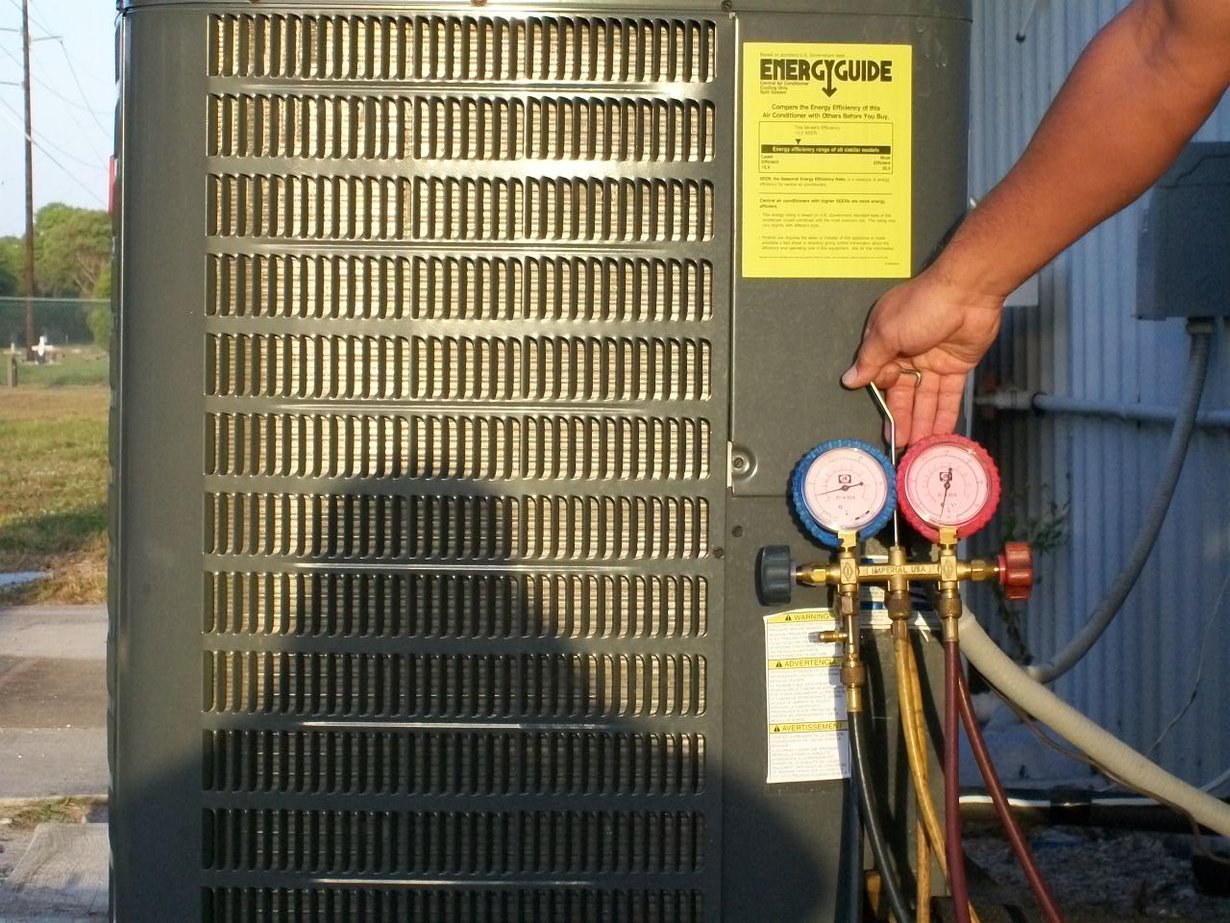
It sounds backwards, doesn’t it? You’d think less “coolant” would mean a warmer coil. However, when refrigerant levels drop (usually due to a leak), the pressure in the system drops too. In the world of HVAC physics, lower pressure equals lower temperatures. The remaining refrigerant expands too much, making the coil drop below freezing, which starts the icing process.
3. Mechanical or Component Failure
Sometimes it’s a part that just gave up. If your blower motor is failing or the capacitor that starts the fan has died, no air is moving over the coil. Without that heat exchange, the coil freezes instantly. Other times, it could be a stuck relay or a faulty expansion valve.
What Happens Next?
Once the system is fully defrosted and dry, you can try to run it again. But here is the honest truth: If the underlying issue isn’t fixed, it will freeze again.
If you replaced a pitch-black air filter and the system runs fine afterward, you might have solved it yourself! But if your filter was clean and the system still froze, you likely have a refrigerant leak or a mechanical issue that requires a professional eye.
When we come out to look at a frozen system, we don’t just “gas it up” and leave. We check the airflow, inspect the refrigerant pressures, and look for the actual source of the problem. Our goal isn’t to sell you a new unit you don’t need; it’s to get your current one running efficiently so you can get back to your life.

Quick Summary for the “Too Hot to Read” Crowd:
- Sign of trouble: Ice on pipes, no air from vents, water on the floor.
- The Fix: Thermostat to OFF. Fan to ON.
- Wait: Give it 4-8 hours to melt completely.
- Protect: Use towels to catch the melt-off.
- Check: Look at your air filter first. If it’s clean and still freezing, contact a pro.
At Accu-Temp Air Conditioning & Heating, “We Make Comfort Easy.” We know how frustrating it is to deal with a broken AC in the middle of a heatwave. If your system is giving you the cold shoulder (literally), give us a call or check out our services page to see how we can help.
Don’t let a frozen coil ruin your week: defrost it safely and give us a shout if you need an honest diagnosis!