
Think Heat Pumps Can’t Handle Texas Winters? Think Again.

We’ve all heard it before. “Heat pumps are great for cooling, but when it gets cold? Forget about it. You need a real furnace for Texas winters.”
Well, it’s time to put that myth to rest once and for all. As someone who’s been in the HVAC business here in Central Texas for years, I can tell you with complete confidence: modern heat pumps are absolutely fantastic for our Texas winters. In fact, they might just be the perfect solution you never knew you needed.
The Old Reputation vs. Today’s Reality
Let’s be honest: heat pumps got a bad rap back in the day, and for good reason. Early models from the 70s and 80s really did struggle when temperatures dropped. But here’s the thing: we’re not living in the 80s anymore, and neither is heat pump technology.
Today’s heat pumps are engineering marvels compared to those old units. Major manufacturers like Carrier, Trane, Daikin, and others have invested millions in research and development, creating systems that laugh in the face of cold weather. We’re talking about units that can operate efficiently even when it’s -15°F outside. And last time I checked, Central Texas doesn’t exactly turn into the Arctic Circle come December.
How Heat Pumps Actually Work (It’s Pretty Cool)
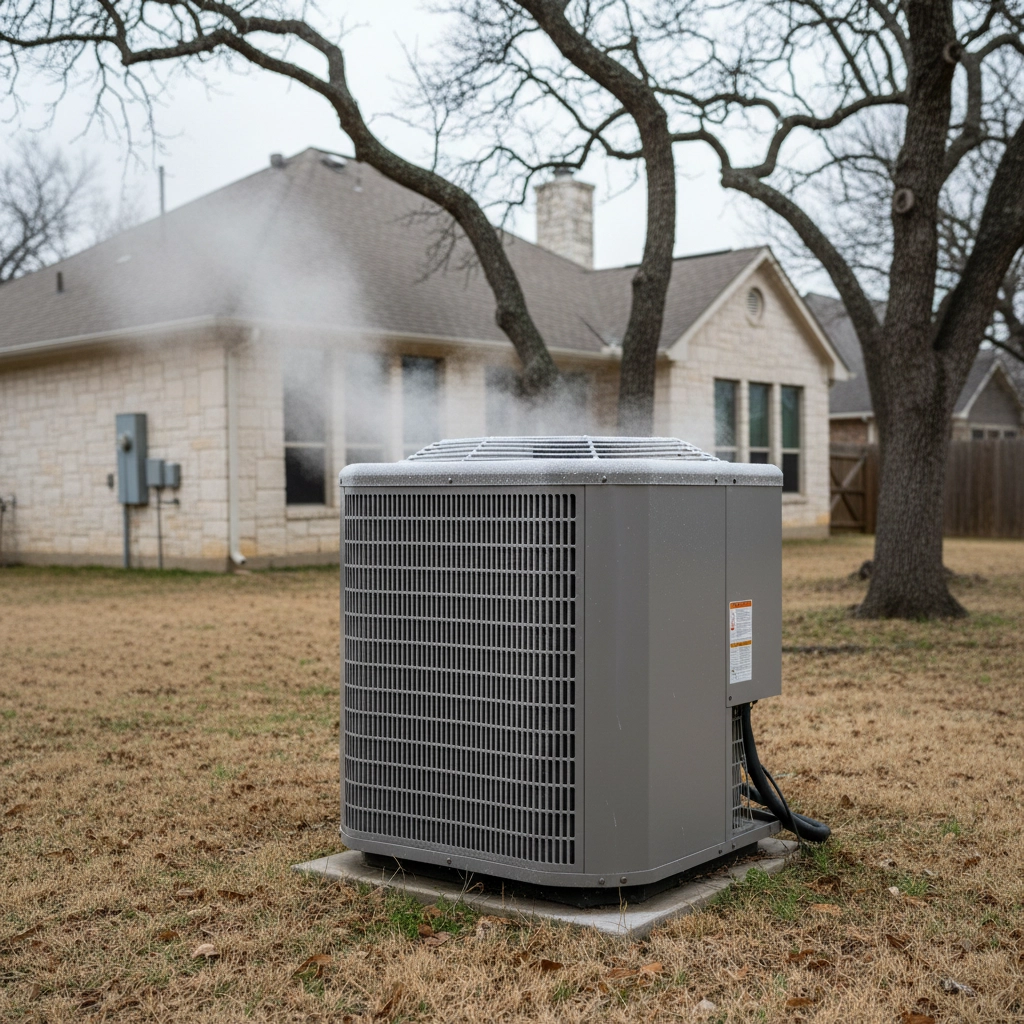
Here’s where it gets interesting. Unlike your gas furnace that burns fuel to create heat, or electric resistance heating that’s basically a giant toaster, heat pumps are heat transfer wizards. They don’t make heat: they move it around.
Even when it feels freezing outside, there’s still heat energy in the air. Your heat pump captures that energy and concentrates it inside your home. It’s the same process your refrigerator uses, just in reverse. Pretty ingenious, right?
This is exactly why Central Texas is such a sweet spot for heat pumps. Our “winters” rarely dip below freezing for more than a few days at a time. Most December and January days hover in the 40s and 50s: that’s prime heat pump territory.
Texas Winters: A Heat Pump’s Best Friend
Let’s talk numbers for a minute. The average winter low in Austin is around 41°F. In San Antonio, it’s 40°F. Even up in the Hill Country, we’re looking at lows in the mid-30s most of the time. Compare that to places like Minneapolis (-3°F average low) or Boston (23°F), and you’ll see why heat pumps absolutely thrive here.
I’ve had customers worried about that one week every few years when we might see temperatures in the teens. Here’s the reality: modern heat pumps handle those occasional cold snaps just fine. And for those extra-rare times when Mother Nature really wants to flex? Most newer heat pumps come with auxiliary heat that kicks in automatically.
The Technology Revolution You Didn’t Know Happened
The heat pump sitting in stores today isn’t your grandfather’s heat pump. Here’s what’s changed:
Inverter Technology: Modern units can adjust their output on the fly, ramping up when it’s cold and dialing back when it’s mild. This means consistent comfort and incredible efficiency.
Variable Speed Compressors: These bad boys can run at different speeds depending on what your home needs, rather than just turning on and off like a light switch.
Advanced Refrigerants: New refrigerants work better at lower temperatures, keeping your heat pump running strong even during those rare Central Texas cold fronts.
Smart Defrost Controls: Ice buildup used to be a problem for older heat pumps. Now, advanced sensors know exactly when to defrost the outdoor coil, keeping everything running smoothly.
The Money Talk: Your Wallet Will Thank You
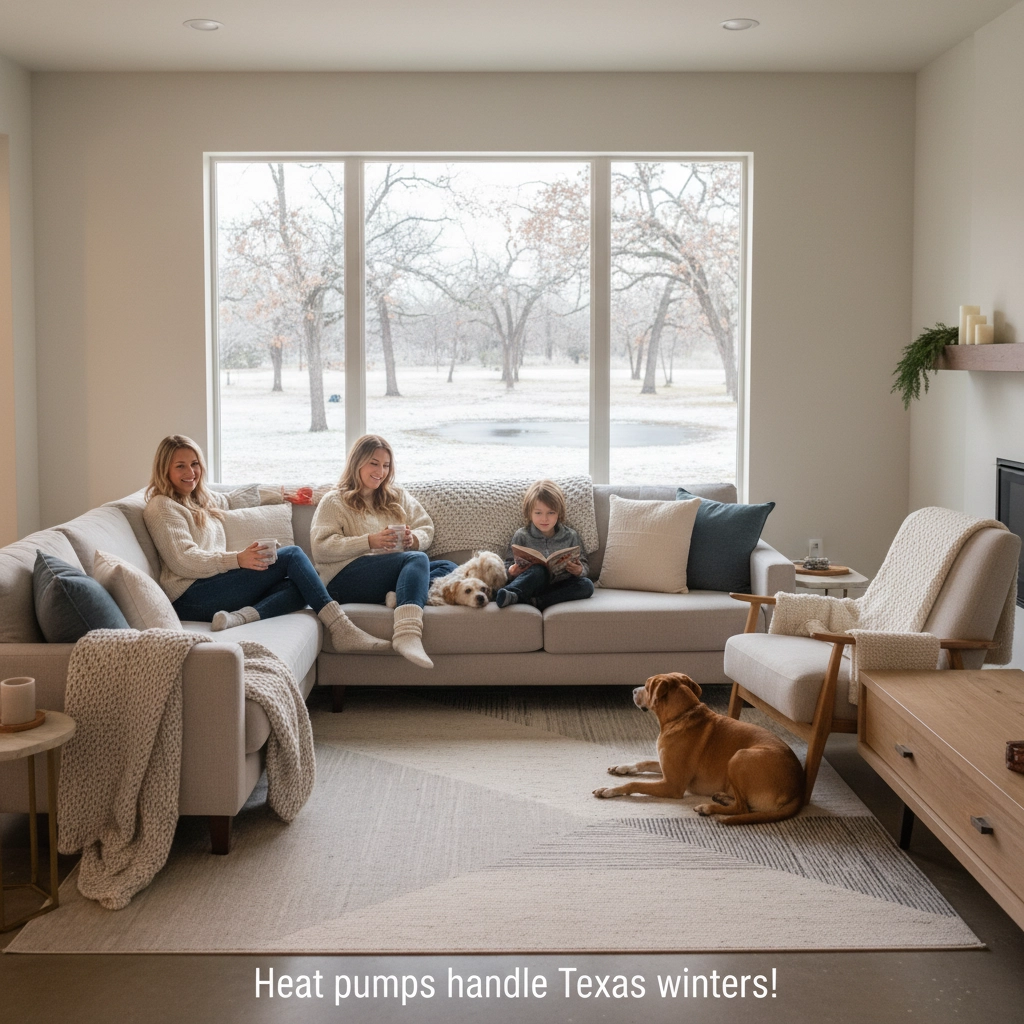
Here’s where heat pumps really shine: your energy bills. We’re talking about potential savings of 20-50% compared to electric resistance heating and significant savings compared to gas furnaces too.
Why? Because heat pumps move heat rather than create it, they’re incredibly efficient. For every unit of electricity they use, they can move three to four units of heat into your home. Try getting that kind of return on investment from a space heater!
I’ve seen customers cut their winter heating costs in half after switching to a modern heat pump. One family in Round Rock went from $200+ electric bills in January to under $100, and they were actually more comfortable than before.
Real-World Performance That Speaks for Itself
You want proof? Let’s look beyond Texas for a minute. Heat pumps are heating about half the homes in Norway, Finland, and Sweden: countries where “cold” means something completely different than it does here. Maine has over 115,000 heat pumps installed, and trust me, their winters make ours look like a day at the beach.
If heat pumps can handle a Maine winter where temperatures regularly drop below zero, they can absolutely handle a Texas winter where we complain when it hits 35°F.
Closer to home, I’ve installed heat pumps for customers all across Central Texas, from Georgetown to New Braunfels. The feedback has been overwhelmingly positive. They love the consistent comfort, the lower bills, and the fact that their system does double duty: keeping them cool in our brutal summers and warm during our mild winters. Learn more about efficiency ratings before selecting a new system here.
When Backup Heat Makes Sense (Spoiler: Not Often)
Now, I’m not going to tell you that every single home in Texas should ditch their furnace for a heat pump without any backup. If you’re up in the Panhandle where temperatures regularly stay below freezing for weeks at a time, a dual-fuel system (heat pump with gas furnace backup) might make sense.
But for the vast majority of Central Texas? A straight heat pump setup handles everything Mother Nature throws our way. Many modern units come with built-in auxiliary electric heat that automatically kicks in during those rare times when the outdoor temperature drops below the heat pump’s optimal range.


The Comfort Factor Nobody Talks About
Here’s something that might surprise you: heat pumps often provide more consistent, comfortable heat than traditional systems. Gas furnaces tend to blast hot air for a while, then shut off, creating those temperature swings we all know too well. Heat pumps provide steady, even heating that maintains a more consistent temperature throughout your home.
Plus, because they’re not burning anything, there’s no concern about carbon monoxide, gas leaks, or combustion air quality. For families with allergies or respiratory issues, this can be a huge benefit.
Our Experience in Central Texas
After installing hundreds of heat pumps across the Austin area and beyond, I can tell you that the technology has exceeded even my expectations. We’ve had customers call us during those rare ice storms, worried their heat pump wouldn’t keep up. Time after time, these systems have performed flawlessly.
One customer in Cedar Park was convinced she’d need backup heat when we installed her new heat pump. Three winters later, she’s never needed it, even during the February freeze of 2021. Her system kept her family comfortable while her neighbors with older furnaces were dealing with heating issues.
The Bottom Line
The myth that heat pumps can’t handle Texas winters needs to die. It’s based on outdated technology and misunderstandings about how these systems actually work. Modern heat pumps are not only capable of heating your Central Texas home: they’re often the smartest, most efficient choice you can make.
If you’re considering a new HVAC system or wondering whether your current setup is the best fit for our climate, don’t let old myths guide your decision. The technology has evolved, and so should our thinking about it.
Ready to learn more about whether a heat pump is right for your home? Give us a call at Accu-Temp. We’ll help you separate fact from fiction and find the perfect solution for comfortable, efficient heating and cooling year-round.
Because here in Texas, we believe in using the right tool for the job: and for our winters, that tool is a modern heat pump.