
Is Your High MERV Air Filter Actually Bad for Your AC? Here’s the Truth
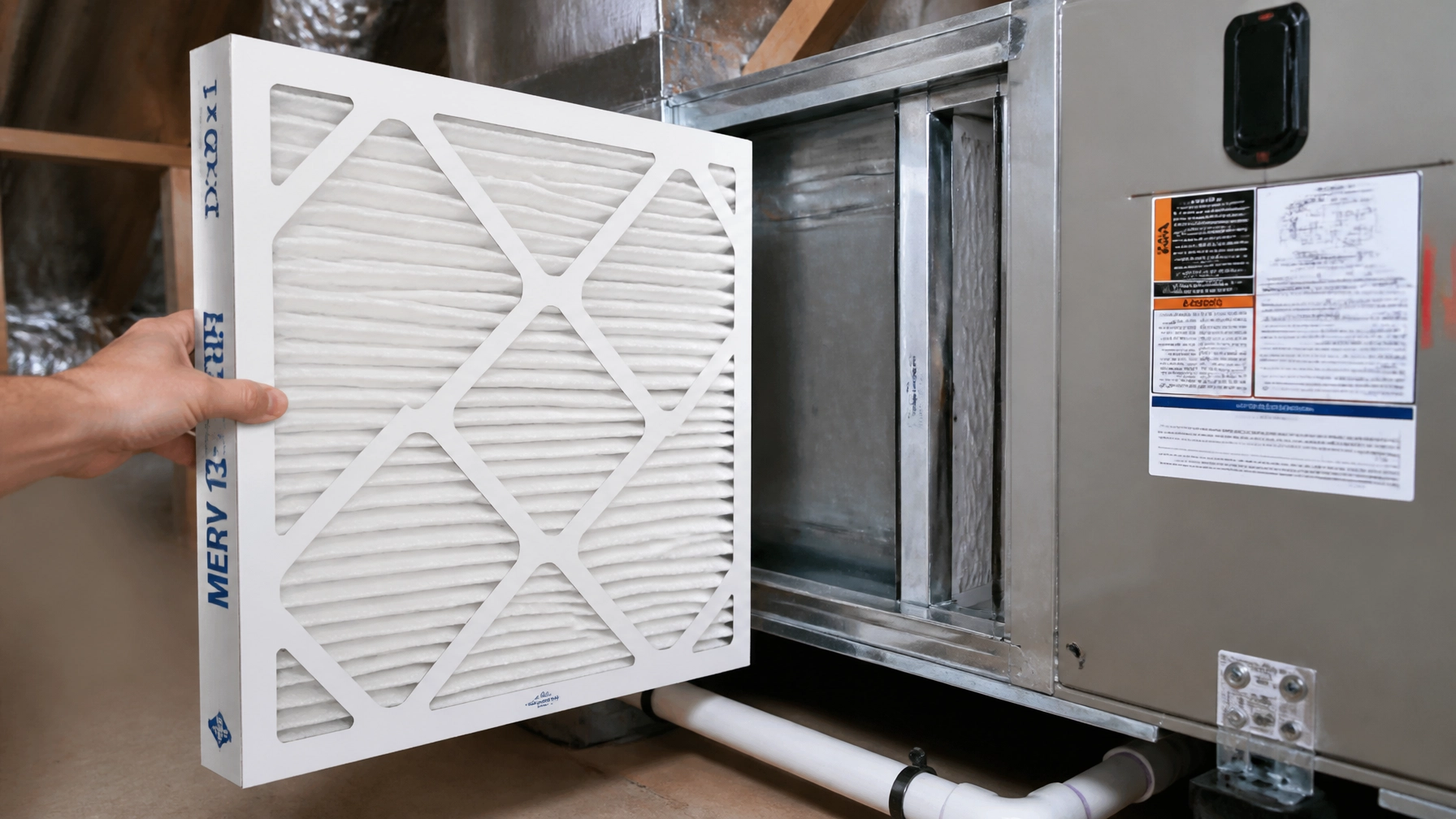
We’ve all been there: standing in the air filter aisle at the hardware store, staring at a wall of options ranging from $5 to $50. You see the one with the high MERV rating: the one that promises to catch everything from dust bunnies to microscopic bacteria: and you think, “I want the best for my family’s health. Let’s go with the MERV 13!”
It sounds like a no-brainer, right? Better filtration equals cleaner air.
But here’s the truth we often share with our customers here in Central Texas: Sometimes, the “best” filter for your lungs is actually the “worst” filter for your air conditioner.
At Accu-Temp Air Conditioning & Heating, we believe in honesty and clear communication. We aren’t here to upsell you on the most expensive filter; we’re here to make sure your system runs efficiently for years to come. So, let’s bust some myths and talk about why that high-MERV filter might be choking your AC.
What Exactly is a MERV Rating?
MERV stands for Minimum Efficiency Reporting Value. It’s a scale from 1 to 16 that measures how effectively a filter traps particles.
- MERV 1-4: These are your basic fiberglass filters. They mostly just keep large debris (like dog hair and dust) from damaging the internal parts of your unit. They don’t do much for air quality.
- MERV 5-8: Good residential standard. These catch most common household dust and pollen.
- MERV 9-12: High-efficiency filters. These can grab smaller particles like mold spores and finer dust.
- MERV 13-16: Hospital-grade or heavy-duty residential filters. These are designed to catch bacteria and smoke particles.
The problem isn’t the filtration itself; it’s the resistance.
The “Heart” Analogy: Why Airflow Matters
Think of your HVAC system like a human heart. The blower motor is the heart, and the ductwork is the circulatory system. For the “heart” to stay healthy, it needs to move “blood” (air) freely throughout the body.
When you put a very high-MERV filter into a system that wasn’t designed for it, it’s like trying to breathe through three masks at once while running a marathon. The filter material is so dense that the blower motor has to work twice as hard to pull air through it. This creates “static pressure” in your ducts, and if that pressure gets too high, things start to break.

The “1-Inch Filter Trap”
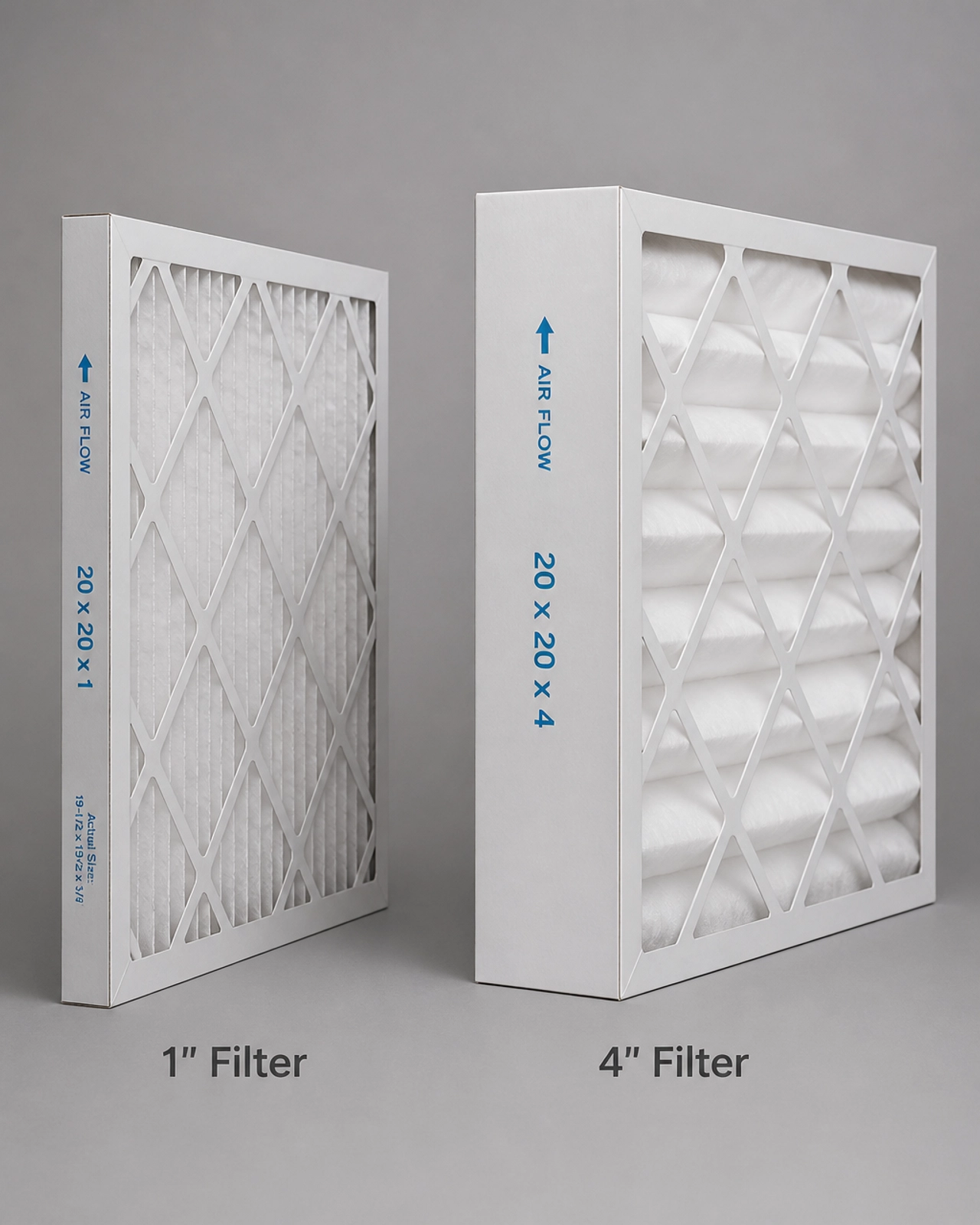
This is where most homeowners get into trouble. If you have a standard 1-inch filter slot, putting a MERV 11 or MERV 13 filter in there is risky. Because the filter is so thin, there isn’t much surface area for the air to pass through.
If you truly need high-level filtration (for allergies or asthma), the better solution is often a 4-inch or 5-inch media filter cabinet. These filters are much thicker, allowing for more surface area. You get the high MERV rating without the “choking” effect on your blower motor.
If you’re unsure what your system can handle, our team at Accu-Temp can take a look during a routine maintenance visit and let you know what’s safe.
The Damage: What Happens When Your AC “Chokes”?
If your filter is too restrictive, you might not notice a problem immediately, but over time, it can lead to some expensive repairs:
1. Frozen Evaporator Coils
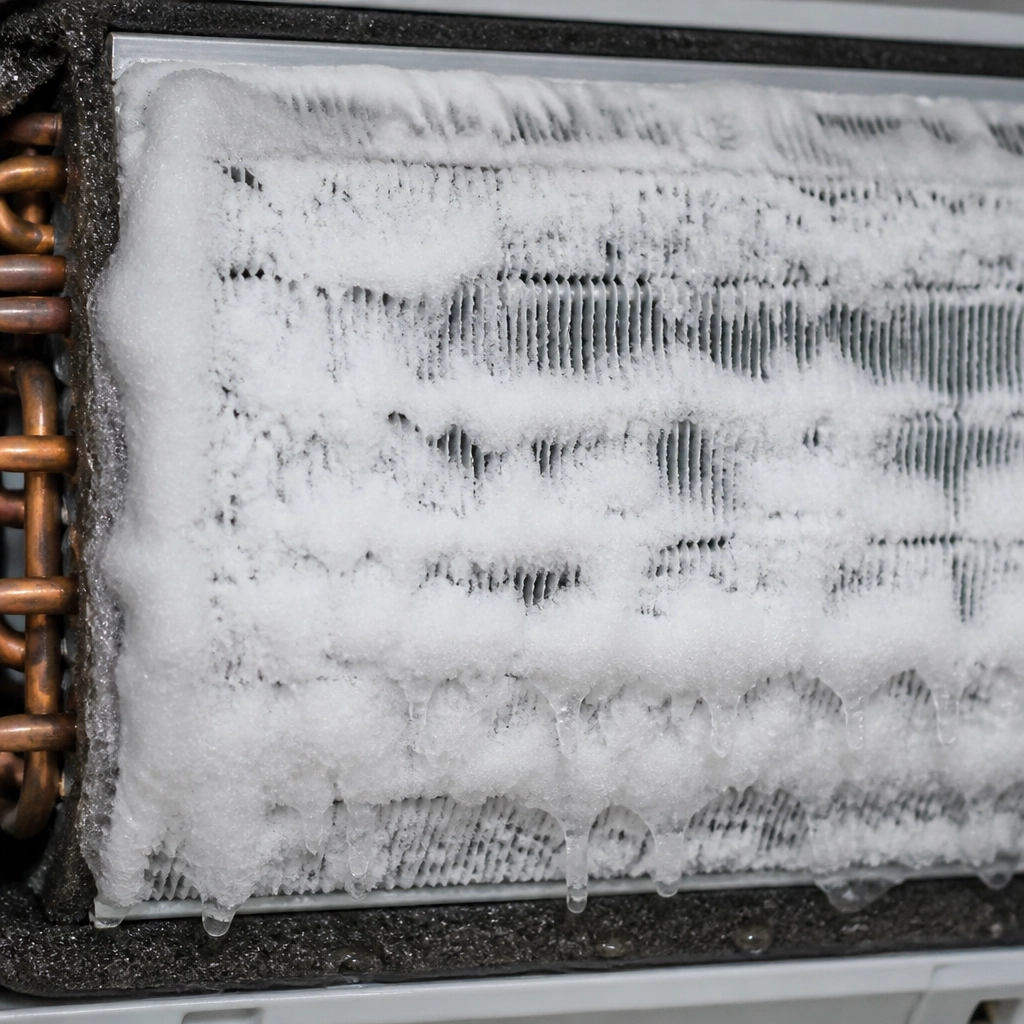
Your AC works by blowing warm air over a cold evaporator coil. The air absorbs the “coldness” (technically, the coil absorbs the heat). If the airflow is restricted by a dense filter, there isn’t enough warm air hitting that coil. The temperature drops below freezing, moisture in the air turns to ice, and suddenly your system is a giant block of ice.
2. Blower Motor Failure
Imagine running your car at redline RPMs for hours on end. That’s what your blower motor does when it fights a high-MERV filter. It runs hotter and longer, significantly shortening its lifespan. Replacing a blower motor is a lot more expensive than just buying the right filter!
3. Cracked Heat Exchangers (Winter Problem)
In the winter, low airflow causes your furnace to run too hot. This can cause the metal heat exchanger to expand and contract too much, eventually leading to cracks. A cracked heat exchanger is a serious safety hazard and usually means you need a full system replacement.
Signs Your Filter is Too “Strong” for Your System
Not sure if your filter is the culprit? Keep an eye out for these red flags:
- Longer Cycles: Does your AC seem to run forever without reaching the temperature on the thermostat?
- Weak Airflow: Do the vents feel like they’re barely blowing air?
- Higher Energy Bills: If the system has to work harder, it uses more electricity.
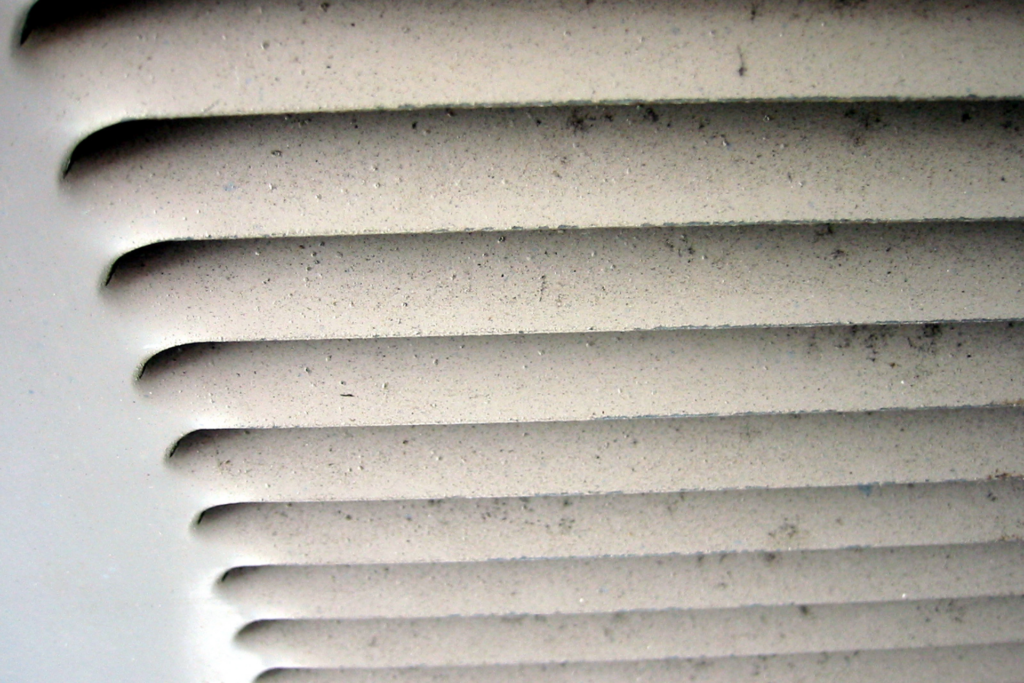
- Dirty Vents: Ironically, high-resistance filters can sometimes cause air to be pulled through tiny gaps around the filter or through leaky ducts, bringing more dust into your home.
The Central Texas Reality: Heat and Humidity
Living in Austin and the surrounding areas means our AC systems work harder than almost anywhere else in the country. During a 100-degree July day, your system is already under immense stress. Adding a restrictive filter during a Texas heatwave is like asking a marathon runner to wear a weighted vest in the middle of a desert.
We want your home to be comfortable and your indoor air quality to be excellent, but we also want your equipment to last.
So, What Should You Use?
In our professional experience servicing homes across Central Texas, we generally recommend:
- Stick to MERV 8 or 11: For most standard 1-inch residential system filters, a MERV 8 pleated filter is the “sweet spot.” It protects your equipment and catches the most common allergens without killing your airflow.
- Change it Often: A clean MERV 8 filter is much better for your air quality than a clogged, dirty MERV 13. In Texas, we recommend checking your 1-inch filters every 30 days.
- Upgrade the Cabinet: If you need MERV 13+, talk to us about installing a dedicated media filter housing. This allows for a thicker filter that won’t strain your motor.
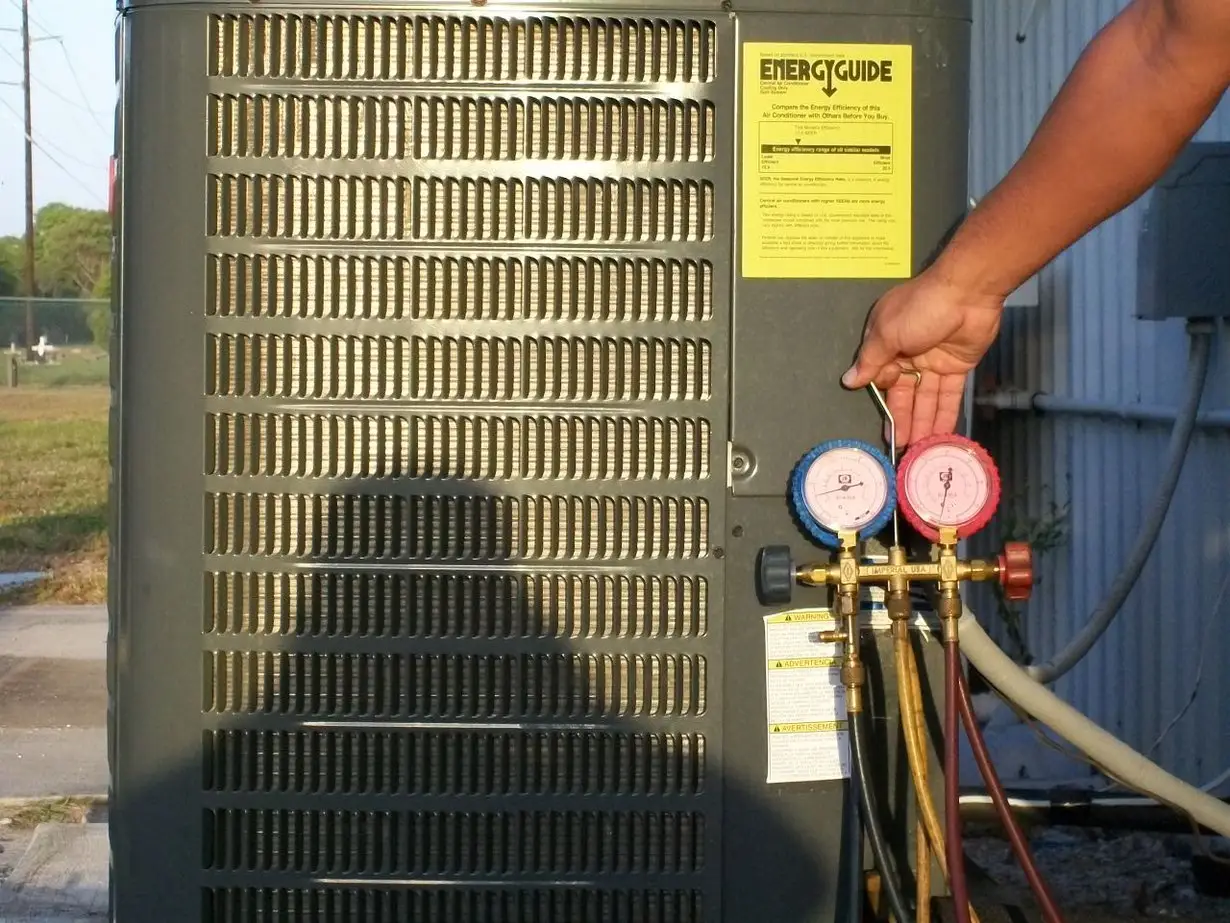
- Professional Diagnostic: If you’re worried about your airflow, have a technician measure your “static pressure.” This is the only way to know for sure if your system is being “choked.”
Honesty is Our Best Policy
At Accu-Temp Air Conditioning & Heating, we don’t believe in “quick fixes” or pushing products you don’t need. Whether you’re dealing with system troubleshooting or just want advice on which filter to buy, we’re here to provide the clear, honest communication you deserve.
Don’t let a $30 filter cause a $3,000 repair. If you have questions about your home’s airflow or need a tune-up to prepare for the summer heat, give us a call or contact us today. We make comfort easy!