
Honest Pricing: Why we skip the “surge pricing” even when emergency calls are through the roof

Picture this: It’s the middle of a brutal Texas heatwave. Your AC just died. You’re sweating through your shirt, the kids are cranky, and the dog looks like he’s about to melt into the couch. You call an HVAC company for help, and they hit you with a price that’s double, or even triple, what you’d normally pay.
Welcome to the world of surge pricing.
At Accu-Temp Air Conditioning & Heating, we’ve made a choice that some people in our industry think is unbelievable: we don’t do surge pricing. Not during heatwaves. Not during winter freezes. Not ever.
Let me explain why.
What Exactly Is Surge Pricing?
You’ve probably experienced surge pricing with rideshare apps. Demand goes up, prices go up. It’s simple supply and demand economics, right?
In the HVAC world, surge pricing works the same way. When temperatures spike to 105°F in July or plummet during an unexpected February freeze, everyone’s HVAC system gets pushed to its limits. Some systems fail. Phones start ringing off the hook at every HVAC company in town.
Some companies see this as an opportunity. They jack up their prices because, well, they can. You need them. You’re desperate. And desperation, unfortunately, pays well.


During extreme weather events, we’ve seen competitors charge anywhere from 50% to 200% more than their normal rates. They call it “emergency pricing” or “peak demand rates.” We call it something else: taking advantage of people when they’re vulnerable.
The Business Case for Surge Pricing (And Why We Reject It)
Here’s the thing: from a pure business standpoint, surge pricing makes sense. Economists will tell you it’s actually good because it incentivizes more technicians to work overtime and more resources to flow to where they’re needed most.
And technically, that’s true. Higher prices can attract more supply.
But here’s what that argument misses: you’re not just a supply-and-demand equation. You’re our neighbor. You’re the family down the street with a newborn who needs a cool house. You’re the older couple whose health depends on stable temperatures. You’re the small business owner trying to keep employees comfortable.
When we look at our customers, we don’t see dollar signs. We see the Central Texas community that has supported us and trusted us with their homes.
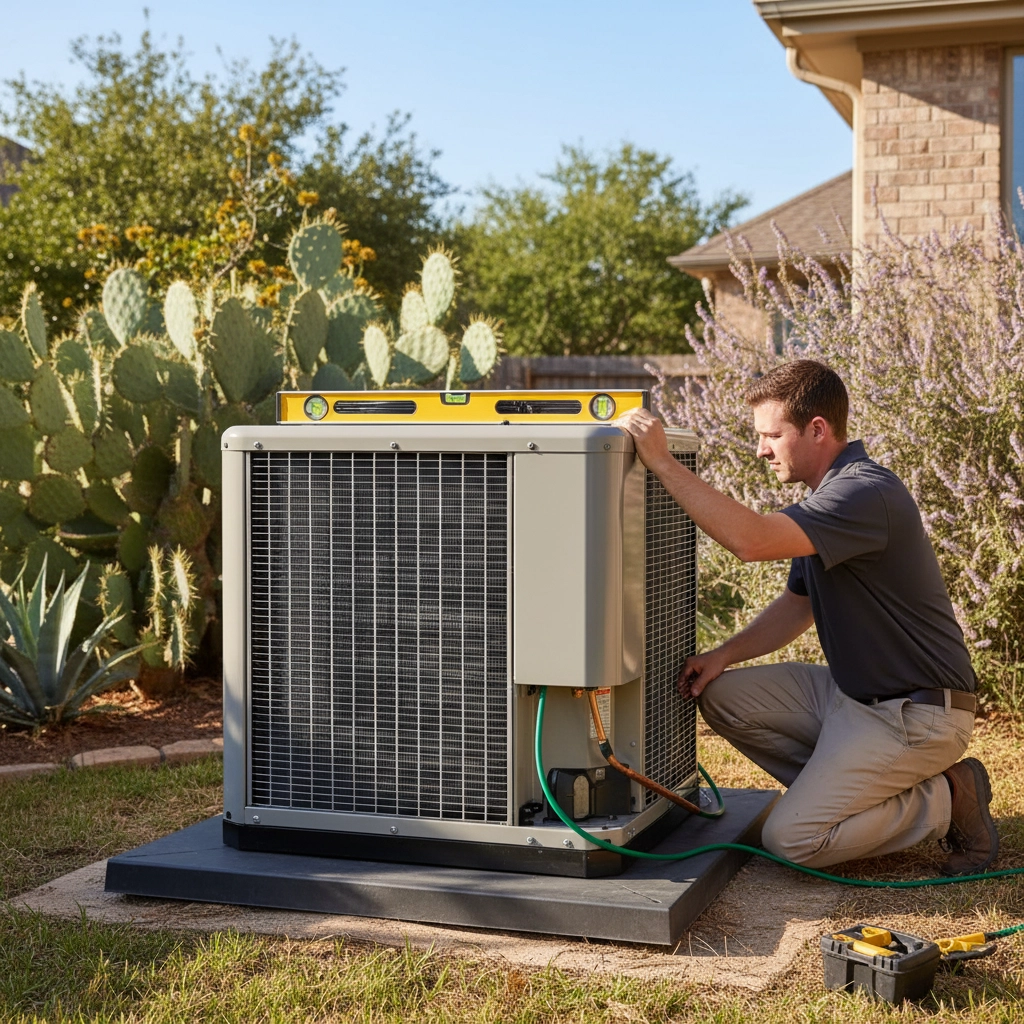
Why Accu-Temp Says “No Thanks” to Surge Pricing
Let me be straight with you: refusing surge pricing costs us money. During peak demand, we could absolutely charge more and people would pay it. But we’ve made a conscious decision to leave that money on the table.
Here’s why:
1. Long-Term Trust Over Short-Term Profit
Building a business on trust takes years. Breaking that trust takes one bad experience. When you call us during the worst heatwave of the summer and get the same fair price you’d get on a mild spring day, that builds something money can’t buy: loyalty.
We’d rather have customers who trust us for life than squeeze extra dollars out of someone’s worst day.
2. We Live Here Too
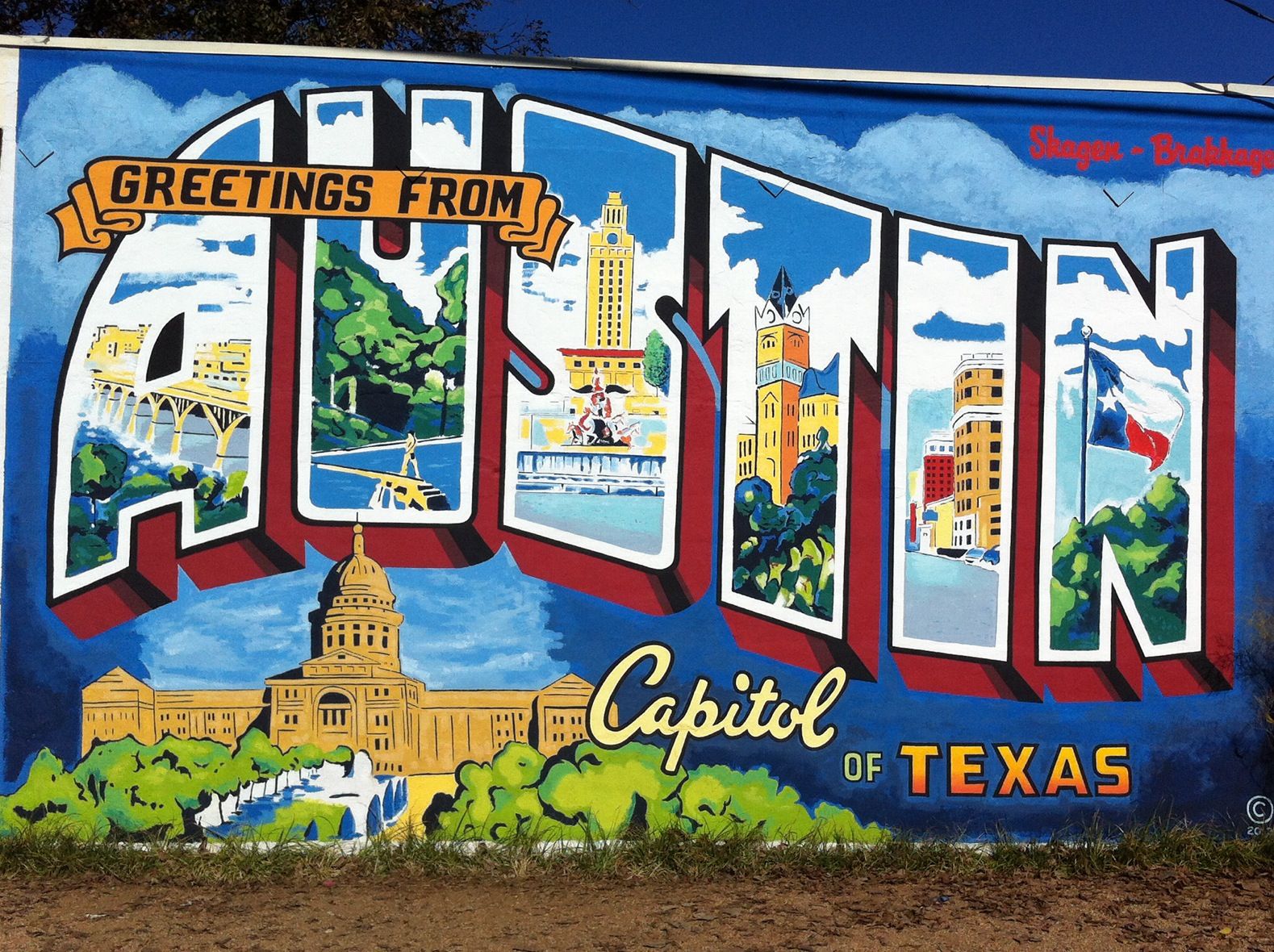
Our team lives in Central Texas. We shop at the same H-E-B, cheer for the same teams, and sweat through the same August afternoons. When a freeze hits Round Rock or a heatwave bakes Austin, it affects us and our families too.
Taking advantage of our neighbors during a crisis? That’s just not who we are.
3. Fairness Shouldn’t Have a Weather Report
Think about it this way: does the quality of our work change based on how hot it is outside? Does the cost of parts fluctuate because more people need them today? Not usually.
So why should your price change based on when your system happens to fail? It shouldn’t. And with us, it doesn’t.
4. We Sleep Better at Night
Running a business isn’t just about profit margins. It’s about building something you’re proud of. When I lay my head down at night, I want to know that we helped people today: not that we profited from their emergencies.
What This Actually Means for You
When you call Accu-Temp, here’s what you can expect:
Transparent pricing, always. The price we quote is the price you pay. No surprises. No “emergency fees” buried in the fine print. No sudden upcharges because we’re busy.
The same quality service, rain or shine. Whether it’s a routine maintenance call in October or an emergency repair during a July heatwave, you get our A-game. Same technicians. Same expertise. Same respect.
Honesty about what you actually need. We’re not going to tell you that you need a whole new system when a $200 repair will do the job. We don’t believe in upselling, and we definitely don’t believe in using a crisis to push unnecessary services.
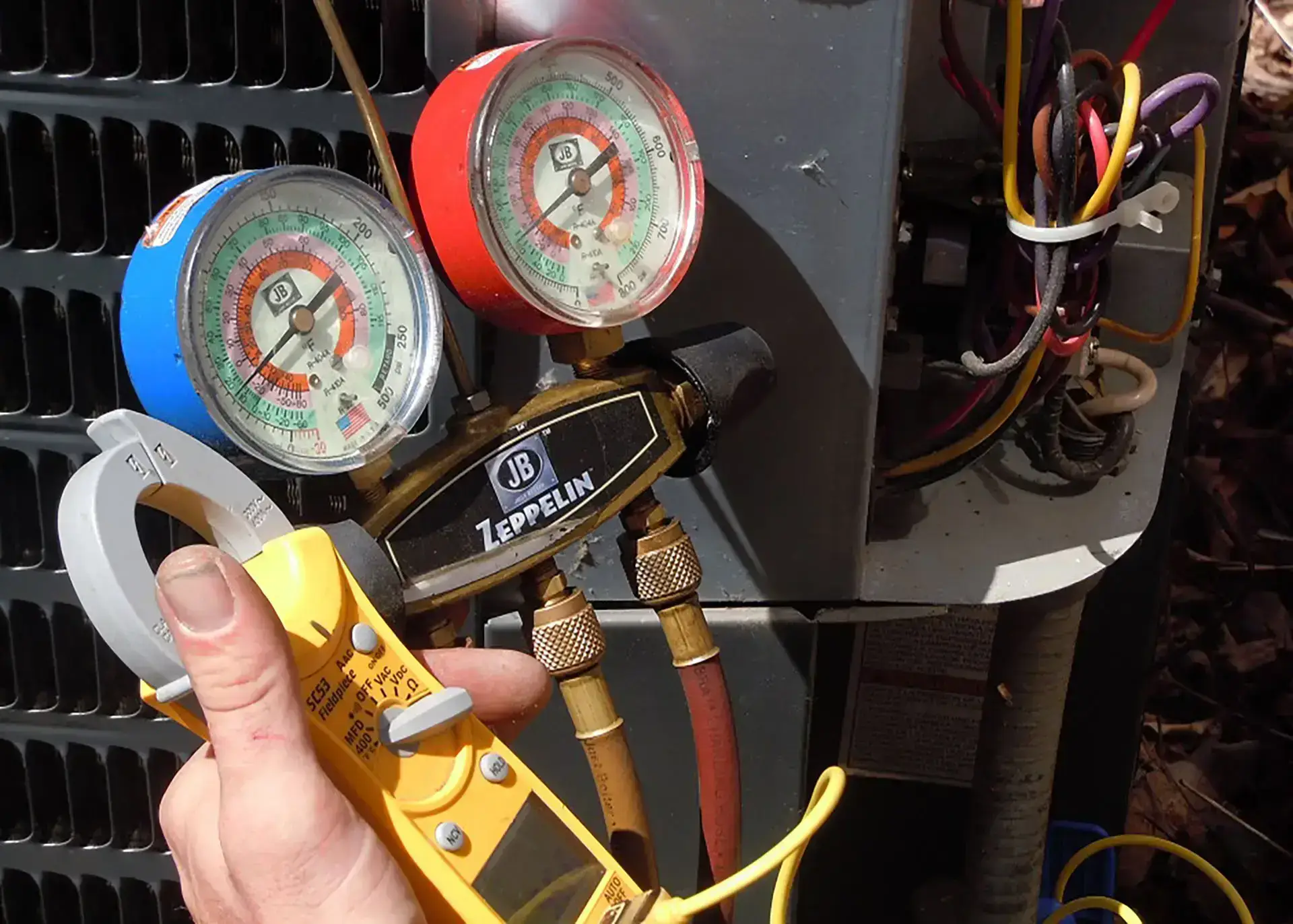
“But What About During REALLY Busy Times?”
Fair question. When everyone needs help at once, how do we manage without surge pricing?
First, we plan ahead. We staff appropriately for the seasons we know are coming. Texas heat isn’t exactly a surprise: it shows up every year like clockwork. Same with those occasional freezes. We prepare for peak demand so we can serve you without excuses.
Second, we prioritize efficiently. Some situations are true emergencies (no AC with an infant in the house, a complete heating failure during a freeze). Others can wait a few hours. We triage based on need, not on who’s willing to pay the most.
Third, we’re honest about wait times. If we’re slammed, we’ll tell you. We’d rather give you a realistic timeline than make promises we can’t keep.
The Bigger Picture: What Kind of Company Do We Want to Be?
Every business faces moments where they have to decide what they stand for. Surge pricing is one of those moments for HVAC companies.
Some companies look at a heatwave and see dollar signs. We look at it and see our community in need.
That’s not a criticism of how other businesses operate: everyone makes their own choices. But for us, the choice is clear. We want to be the company you call because you trust us, not the company you’re forced to call because you have no other option.
We want to earn your business through quality work and fair treatment, not through exploiting a tough situation.

Ready for Honest Service?
Whether your AC is making weird noises, your heater won’t kick on, or you just want to get ahead of the game with some preventive maintenance, we’re here to help: at a fair price, every single time.
No surge pricing. No upselling. No games.
Just honest work from a team that genuinely cares about keeping Central Texas comfortable.
Give us a call or visit our contact page to schedule your appointment. Whether it’s the hottest day of summer or a random Tuesday in March, you’ll get the same fair treatment. That’s the Accu-Temp promise.
Because when it comes down to it, doing right by our neighbors isn’t just good business: it’s the only way we know how to do business.