
Short Cycling: Why Your HVAC Keeps Turning On and Off, and When to Call Accu-Temp
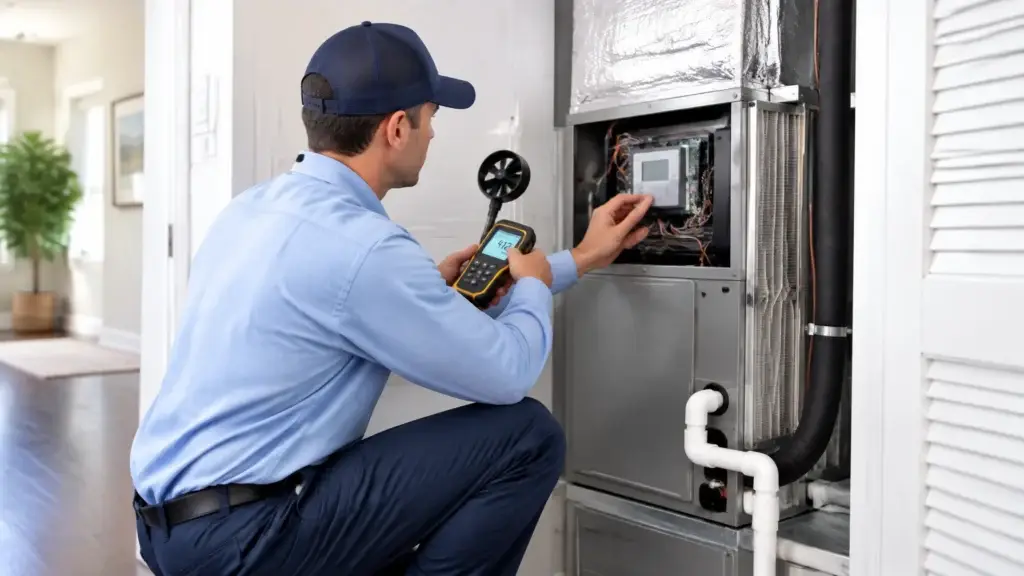
Your heating or air conditioning system should turn on, run long enough to condition the home, shut off, and restart when needed. But what if it starts, runs for only a few minutes, shuts down, and then starts again soon afterward?
That pattern is called short cycling. It can happen with air conditioners, heat pumps, and furnaces. A brief cycle is not automatically a problem, especially during mild weather or after a small thermostat adjustment, but persistent short cycling deserves attention.
If your home is not reaching or holding the thermostat setting, the system restarts several times per hour, or the indoor air feels sticky despite a comfortable temperature, Accu-Temp Air Conditioning & Heating can help identify the cause and explain your options clearly.
What does HVAC short cycling mean?
Short cycling occurs when your HVAC system:
- Starts heating or cooling.
- Runs for only a short time.
- Shuts off before completing a normal cycle.
- Starts again soon afterward.
There is no single cycle length that is “normal” for every home. Run times vary with outdoor weather, system type, thermostat settings, insulation, home size, ductwork, and the current heating or cooling load.
However, repeated cycles lasting only a few minutes (particularly when the home cannot reach or maintain the setpoint) are a warning sign. A system that starts and stops several times per hour should be checked rather than ignored.
Why short cycling matters
Short cycling is more than an annoying sound from the equipment. It can cause:
- Uneven comfort: Some rooms may remain hot or cold while the thermostat shuts the system off.
- Poor humidity removal: In Central Texas, an air conditioner needs adequate run time to remove moisture. Short cycles can leave the home feeling sticky even when the temperature seems comfortable.
- Higher energy use: Starting motors and compressors repeatedly can use more energy than completing efficient, steady cycles.
- Extra wear: Compressors, blower motors, capacitors, igniters, relays, and control boards all experience additional stress from frequent starts.
- Coil icing: Airflow or refrigerant problems can make an air conditioner’s indoor coil freeze, further restricting airflow.
- Shortened equipment life: Repeated stress may contribute to premature component or compressor failure.
For furnaces, restricted airflow can cause the heat exchanger to become too hot. The furnace may then trip its high-limit safety control and shut down. That safety shutdown is doing its job, never bypass or disable a furnace safety control.
Common causes of short cycling
1. The system is oversized
An air conditioner or furnace that is too large for the home can satisfy the thermostat quickly and shut off before properly conditioning the entire house.
Oversizing sometimes happens when equipment is selected by square footage alone, matched to an old unit without reevaluating the home, or increased “just to be safe.” Proper sizing should account for factors such as insulation, windows, orientation, ductwork, air leakage, and the home’s actual heating and cooling load.
An oversized air conditioner may cool the air quickly but remove less humidity. You may notice short run times, clammy rooms, and uneven temperatures.
If sizing is suspected, Accu-Temp can evaluate the equipment and discuss whether a correction, duct adjustment, control strategy, or properly sized replacement makes sense. A replacement should be based on a load calculation, not a guess.
2. Restricted airflow
Airflow problems are among the most common causes of short cycling. Possible sources include:
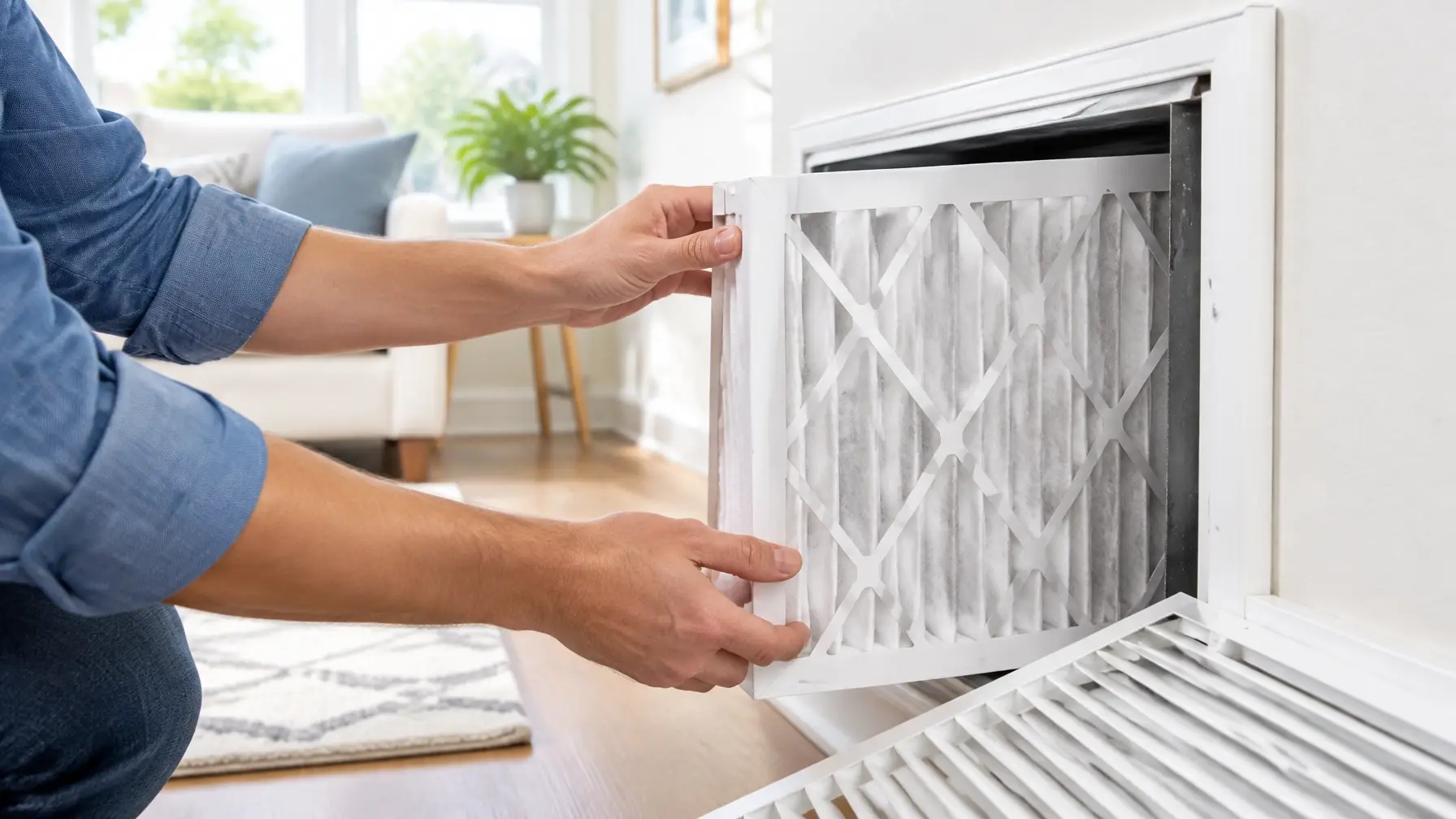
- A dirty or overly restrictive filter
- Blocked return grilles
- Closed or obstructed supply registers
- Furniture, rugs, or curtains covering vents
- A dirty blower wheel
- Collapsed, undersized, or leaky ductwork
- Excessive static pressure
A restricted system may cause an air conditioner’s coil to get too cold and ice over. In heating mode, restricted airflow can cause a furnace to overheat and trip its high-limit safety.
You can learn more about choosing and changing filters in Accu-Temp’s HVAC filter guide.

3. Thermostat problems
The thermostat may be ending cycles too early or calling for operation at the wrong times. Potential issues include:
- Installation near a supply register
- Direct sunlight
- A nearby kitchen, exterior door, or heat-producing appliance
- An aging or faulty thermostat
- Incorrect mode, fan, schedule, or setpoint settings
- Loose thermostat wiring
- A smart thermostat that is not compatible with the HVAC system or wiring
A thermostat reading does not always represent the temperature throughout the home. If the thermostat is in a location that heats or cools faster than the rest of the house, the system may shut off while other rooms remain uncomfortable.
4. Refrigerant or evaporator coil problems
Low refrigerant, usually caused by a leak, can prevent an air conditioner or heat pump from operating properly. A dirty evaporator coil can also restrict airflow and contribute to freezing or short cycling.
Ice on the indoor coil, refrigerant lines, or nearby components is a reason to stop and call for professional help. Do not attempt to add refrigerant yourself. Refrigerant diagnosis requires specialized tools, safe handling, and leak evaluation. Adding refrigerant without finding the underlying problem may only provide a temporary change while leaving the leak unresolved.
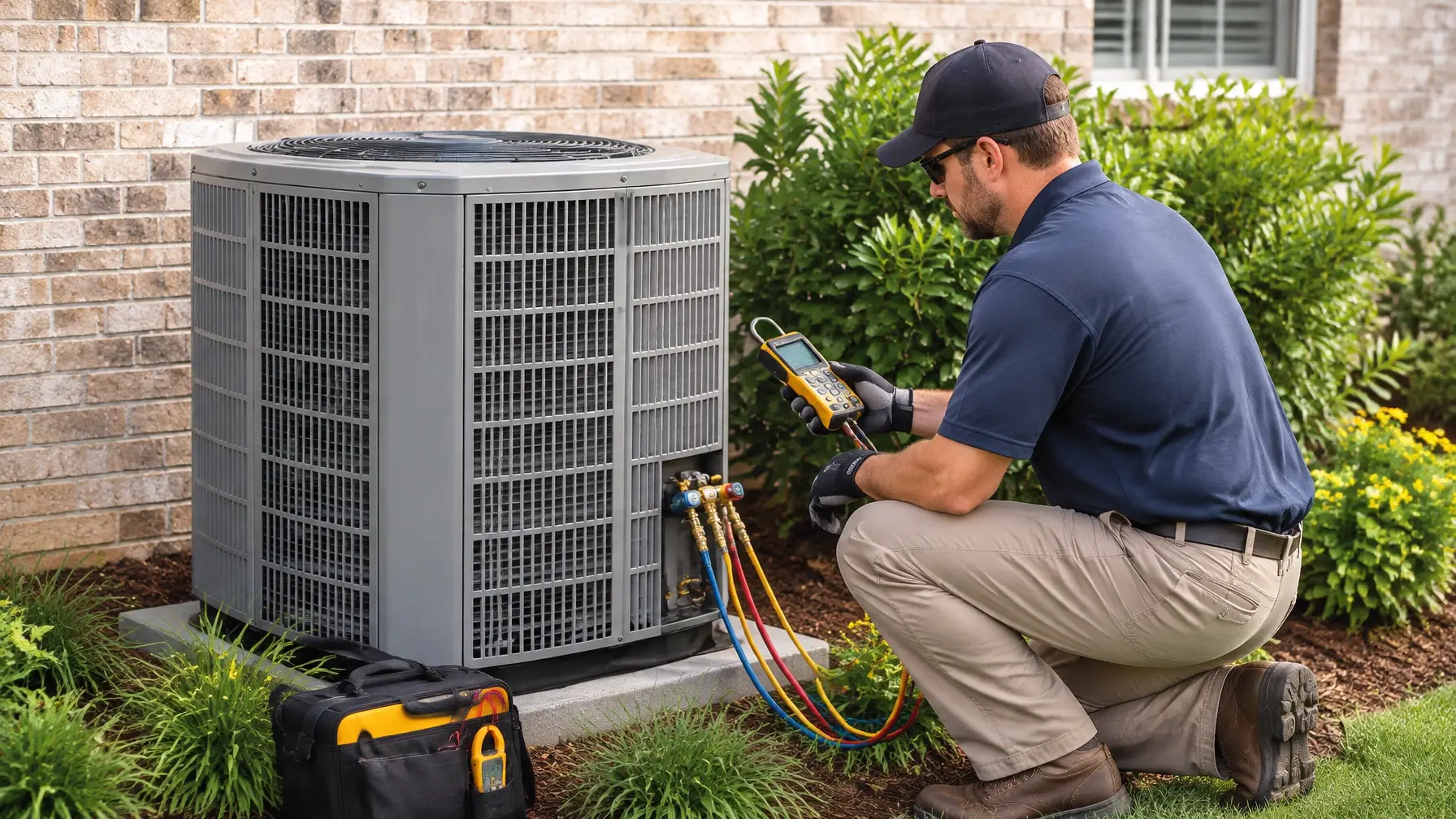
5. Outdoor condenser airflow problems
For cooling systems and heat pumps, the outdoor unit must be able to release heat. Short cycling may result from:
- A dirty outdoor coil
- Leaves, grass, or other debris restricting clearance
- A failing condenser fan motor
- Electrical component problems
- Extremely high outdoor temperatures combined with an existing system issue
Central Texas systems work through long, demanding cooling seasons. Outdoor equipment exposed to heat, dust, and vegetation may need professional cleaning and inspection.
6. Furnace-specific problems
A furnace that repeatedly starts and stops may have:
- A dirty filter or blocked airflow
- A dirty blower wheel
- Flame-sensing or ignition problems
- A malfunctioning limit safety
- Overheating caused by airflow or duct restrictions
- Venting or combustion-air problems
- A thermostat or control-board issue
A furnace shutting down on a safety control should never be treated as a nuisance to work around. Do not bypass a limit switch, ignition safety, rollout safety, or any other control. These components protect the equipment and the people in the home.
7. Electrical or control failures
A failing capacitor, contactor, control board, relay, wiring connection, or power supply can cause the system to start and stop unpredictably. These parts are inside or near electrical compartments and should be tested only by a qualified professional.
8. Zoning and ductwork issues
Zoned homes can short cycle if dampers, thermostats, bypass arrangements, or controls are not operating correctly. A small zone may satisfy quickly while the rest of the home remains uncomfortable.
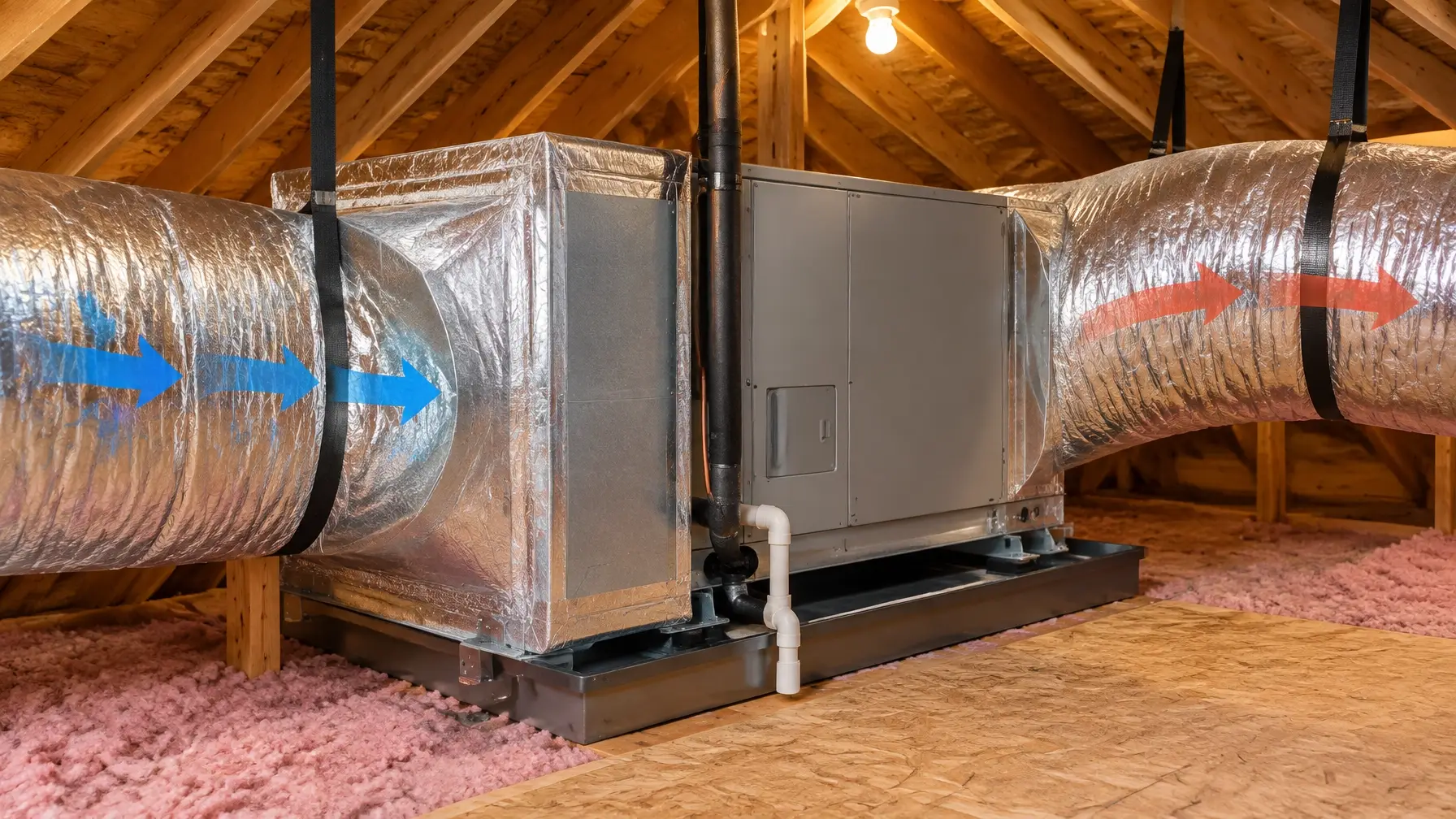
Older Austin-area homes may also have restrictive returns, undersized ducts, leaky attic ductwork, or poor airflow balance. Accu-Temp can inspect airflow and duct conditions rather than assuming the equipment itself is the problem. Learn more about home comfort zones on our zoning page.
What homeowners can safely check
You can make a few basic observations without opening equipment or handling hazardous components:
- Confirm the thermostat is in the correct heating or cooling mode.
- Check whether the fan is set to Auto or another intended setting.
- Inspect the filter and replace it with the correct size if it is dirty.
- Make sure supply registers and return grilles are open and not blocked.
- Keep furniture, curtains, storage, and rugs away from vents.
- Clear visible leaves and debris from around the outdoor condenser.
- Confirm that technicians can safely access the indoor and outdoor equipment.
- Track how long the system runs and how often it restarts.
- Note whether the system reaches the setpoint and whether certain rooms stay uncomfortable.
Do not open electrical panels, test live components, handle refrigerant, bypass a safety control, investigate gas connections, or climb into an unsafe attic.
Keep a short-cycling checklist
Before calling, write down:
- Approximate run time for each heating or cooling cycle
- How many times the system restarts per hour
- Whether it reaches and holds the thermostat setting
- Which rooms feel too hot, cold, or humid
- Any ice on the system or refrigerant lines
- Unusual noises, odors, or vibrations
- Water around the indoor unit
- Breaker trips or power interruptions
- Whether the problem occurs in heating, cooling, or both
This information can help the technician narrow down the issue more efficiently.
When to call Accu-Temp
Schedule service if the system repeatedly runs for only a few minutes, restarts several times per hour, cannot hold the setpoint, or continues short cycling after you have checked the filter, vents, and thermostat settings.
Call promptly if you notice:
- Ice on the indoor coil or refrigerant lines
- Water around the indoor equipment
- Burning or hot electrical smells
- Smoke
- Unusual mechanical or electrical noises
- Repeated breaker trips
- A furnace that repeatedly starts and stops
- A furnace that overheats or shuts down on a safety control
If you smell gas, leave the home and contact the gas utility or emergency services as appropriate before requesting HVAC service. If a carbon-monoxide alarm sounds, leave the home and contact emergency services. Do not continue operating a furnace when a serious safety concern is suspected.
What Accu-Temp checks during a diagnosis
Our diagnostic process may include:
- Inspecting the thermostat, wiring, and control operation
- Measuring airflow and static pressure
- Checking the filter, blower, and coils
- Testing electrical components
- Evaluating refrigerant pressures, temperatures, and possible leaks
- Inspecting furnace safety operation, venting, and combustion concerns
- Reviewing equipment sizing and the home’s heating and cooling load
- Looking for duct leaks, restrictions, poor returns, or zoning problems
The answer might be a filter change, airflow correction, thermostat repair, duct adjustment, electrical component repair, coil service, refrigerant repair, or a replacement recommendation. Short cycling does not automatically mean you need a new HVAC system.
If the equipment is older, inefficient, repeatedly failing, or incorrectly sized, replacement may eventually be the most practical option. Accu-Temp will explain the repair-versus-replace decision, expected costs, and likely benefits so you can make an informed choice. Our repair or replace guide can help you start thinking through that decision.
Persistent short cycling is worth addressing early, especially during Central Texas heat and humidity. When your system keeps turning on and off, contact Accu-Temp Air Conditioning & Heating for an honest diagnosis and a clear path forward.