
Something’s in Your Attic: How Fall Rodents Wreck Your HVAC (and How to Stop Them)
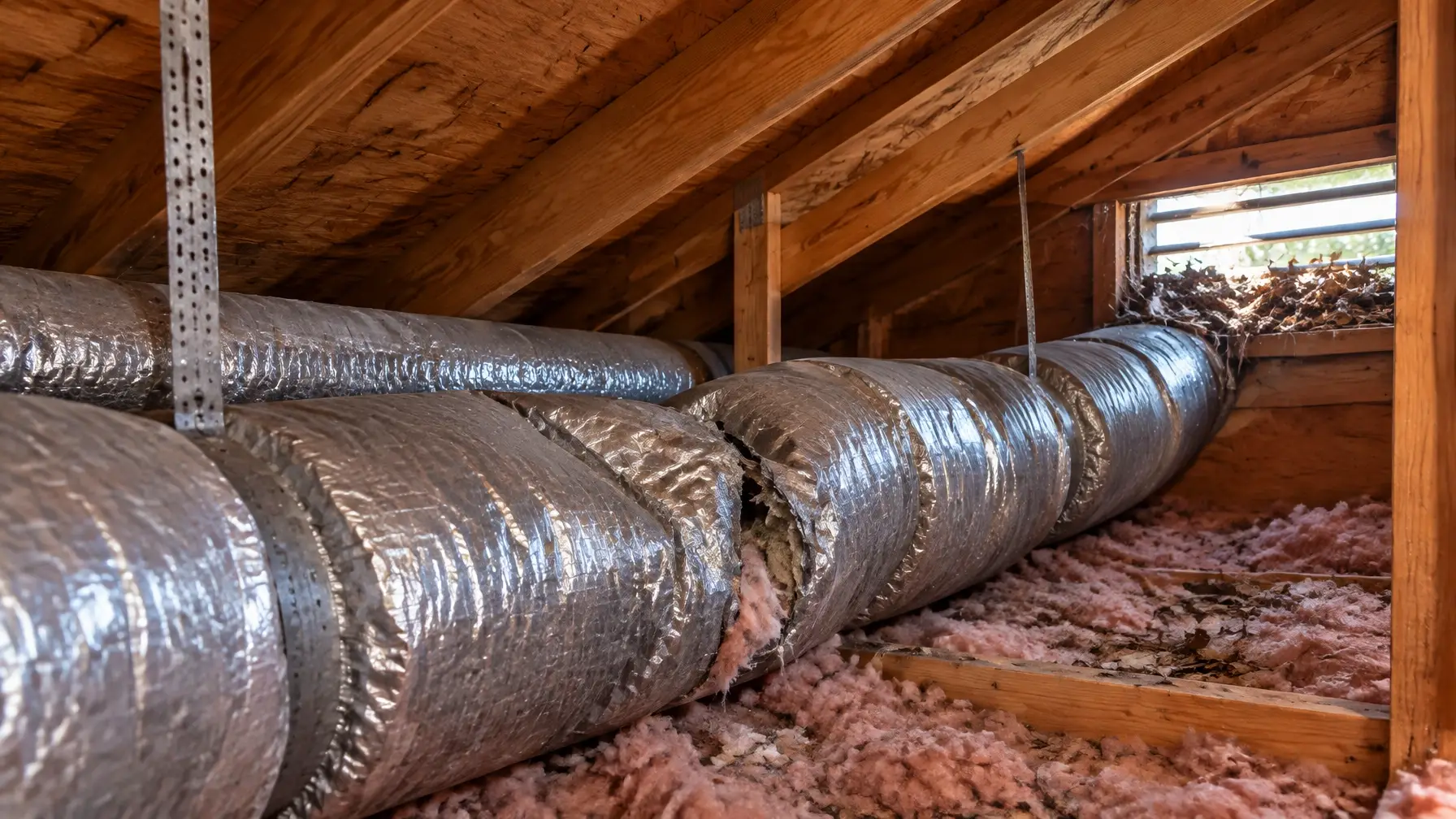
When Central Texas evenings start to cool, mice and other pests may look for a sheltered place to nest. An attic can offer just that, and in many Austin homes, it’s also where HVAC equipment and ductwork are located.
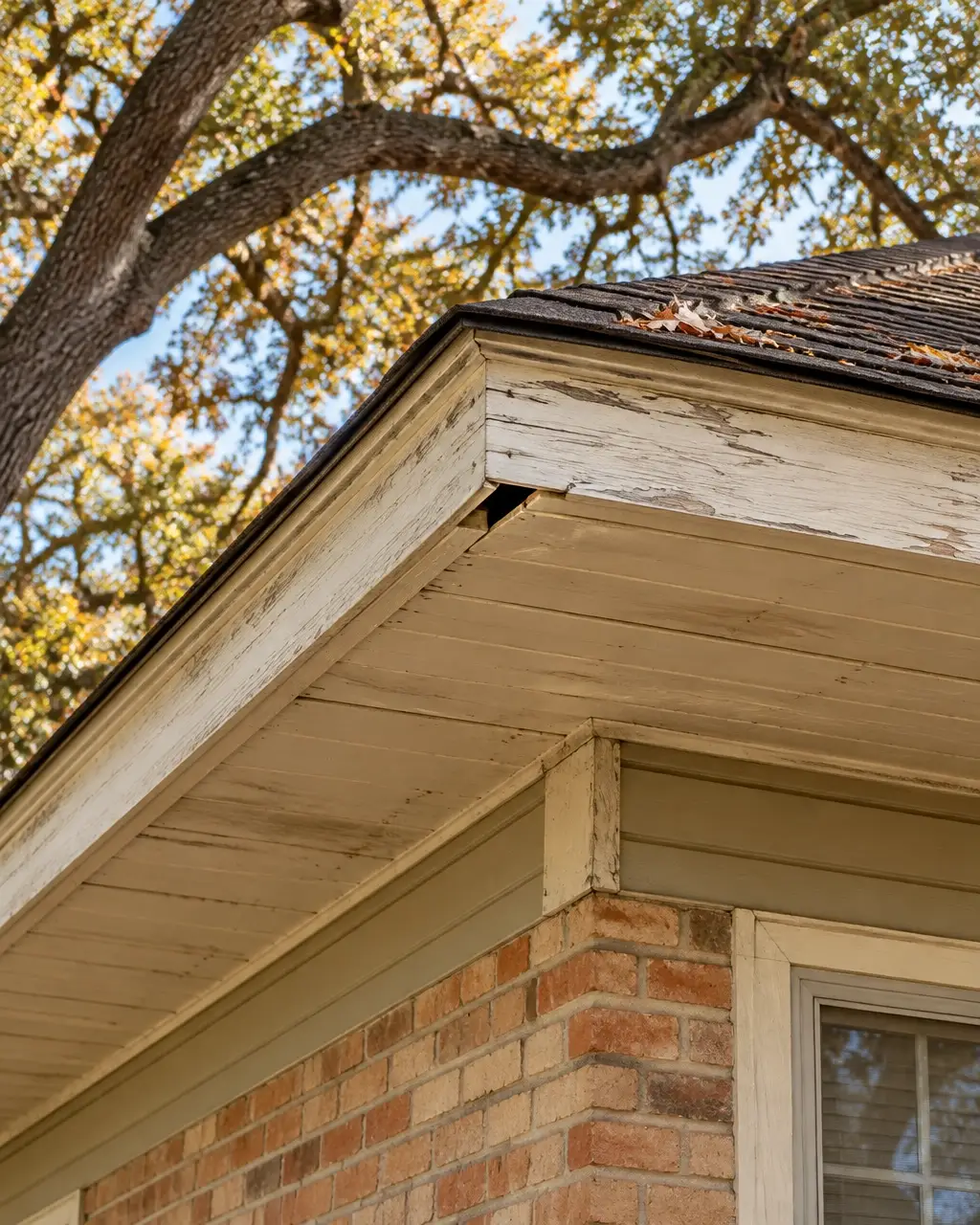
Older homes can have aging soffits, small gaps along rooflines, or openings around pipes and cables that give pests a way in. Once inside, rodents may damage insulation, chew wiring, or disturb ducts. That doesn’t mean every attic noise signals an HVAC problem, but it does mean it’s worth knowing what to look for, and when to leave the investigation to a professional.
How attic pests can affect your HVAC
Chewed wiring: Rodents may gnaw on wire insulation around HVAC equipment. Damaged wiring can create an electrical hazard and needs professional attention. Don’t touch exposed wires or try to repair them yourself.
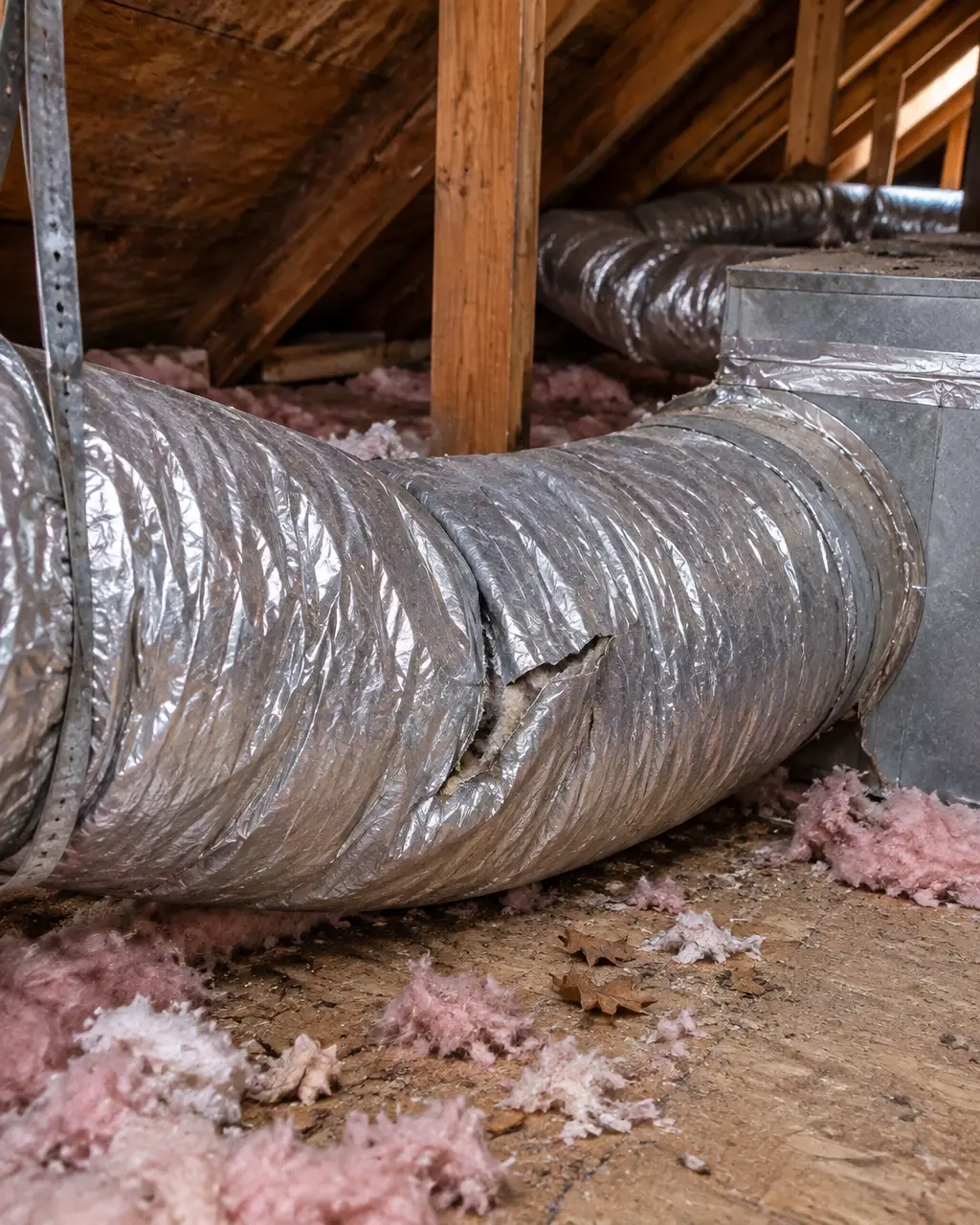
Torn or crushed ducts: Flexible ductwork in an attic can be vulnerable to tearing, punctures, loose connections, or crushing. A damaged duct may leak conditioned air into the attic instead of delivering it to a room, contributing to uneven temperatures and wasted energy.
Nesting and debris: Rodents may carry nesting material into an attic and, in some cases, into duct openings. Nesting material or debris can obstruct airflow or cause unpleasant odors. If you suspect animals have entered the ventilation system, don’t reach into ducts or try to clean them yourself. The CDC recommends professional help when rodents have accessed heating and cooling ventilation systems.
Disturbed or contaminated insulation: Nesting and animal activity can displace or soil insulation. Don’t handle contaminated material; an appropriate pest-control or remediation professional can advise on safe cleanup.
Warning signs you can spot
You don’t need to climb deep into the attic or take anything apart to notice a possible problem. Watch for:
- Scratching, scurrying, or chewing sounds in the ceiling or walls, especially around dusk or at night
- Droppings, shredded material, or visible debris in an accessible area
- A musty, urine-like, or unusual odor that seems to come from a vent
- Airflow that feels weaker than usual at one or more registers
- Rooms that suddenly feel less comfortable, or energy bills that rise without an obvious explanation
- Visible damage to ducts or insulation, if it can be seen safely from the attic entrance
These signs can have other causes, too. Weak airflow, for instance, might be related to a dirty filter or a mechanical issue rather than pests. A look at the signs can help you decide what to do next, but it can’t confirm the cause or show the full condition of equipment and ducts.
Homeowner-safe checks, and where to stop
Safe to do: Listen for activity from inside the home, look at soffits and roof edges from the ground, and check visible ducts or insulation from a safe, stable attic access point. Use a flashlight and take photos from a distance if you see something concerning. Keep your footing secure; don’t step onto ceiling drywall or move insulation to look underneath it.
Stop and call a professional: Don’t touch droppings, nests, chewed wires, or damaged ducts. Don’t sweep or vacuum dry droppings, and don’t open ductwork or remove insulation. If you see exposed wiring, smell something burning, notice sparking, or experience a repeatedly tripping breaker, keep clear and contact a licensed electrician. If you suspect rodents are inside the ducts or find material at a vent, avoid disturbing it and arrange professional help.
Rodent exclusion and removal are generally pest-control work; electrical damage requires an electrician; and HVAC professionals can assess equipment and ductwork. Depending on what’s found, contaminated insulation may need a qualified remediation contractor. The EPA’s duct-cleaning guidance identifies ducts infested with vermin as a situation where professional attention may be appropriate.
Why older Austin homes deserve a closer look
Austin’s older homes have plenty of character, but decades of weather and repairs can leave small openings around eaves, soffits, rooflines, utility penetrations, and vents. Even a modest gap may be worth having assessed and sealed appropriately. The CDC’s rodent-exclusion advice recommends checking for entry points around the home and sealing openings with suitable materials.
Older duct systems may also have aging connections or flexible runs that are more susceptible to damage. That’s not a reason to assume your ducts need replacing; it’s a reason to have the specific condition checked if you notice signs of trouble.
What to do if you suspect a problem
Start with the evidence you can safely observe. Note where you hear noises, which rooms have weak airflow, whether the odor appears only when the system runs, and where you see visible debris. Photos from a safe distance can be helpful.
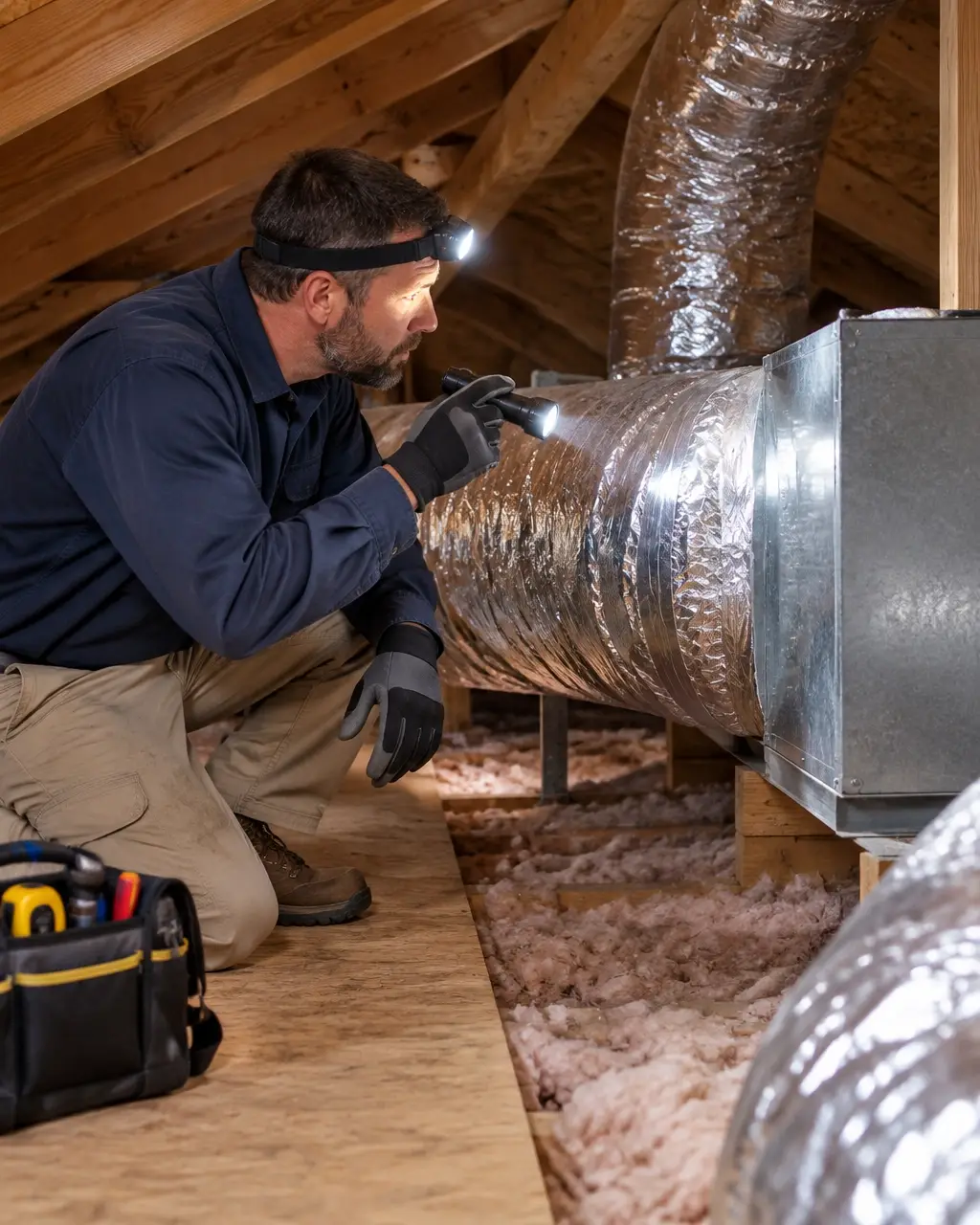
Then contact the right professional for the issue. A pest-control professional can assess rodent activity and entry points. If there’s suspected electrical damage, call an electrician. An HVAC technician can inspect accessible equipment and ductwork for tears, loose connections, crushed sections, or other damage. If rodents may have reached ducts, don’t use the HVAC system as a way to “blow out” debris, get advice first.
A qualified inspection should help answer practical questions: Is there confirmed HVAC damage? Which sections are affected? Is material inside a duct or only nearby? Does anything need repair or replacement, and why? Ask for a clear explanation of findings and scope before approving work.
A little prevention can help
Once pest activity is addressed, sealing likely entry points and keeping vents and attic openings properly screened can reduce opportunities for pests to get inside. For openings or screens, choose an approach suited to the location and building; avoid blocking ventilation that the home or HVAC system requires. The Building America Solution Center offers guidance on screens and pest deterrents.
Keep an eye on the attic and the exterior roofline during routine home maintenance, especially in fall. If you notice a new sound, odor, airflow change, or visible damage, acting early can help you understand the issue before it worsens.

Need an HVAC inspection in the Austin area?
If you’re concerned about damaged ducts or HVAC equipment, Accu-Temp Air Conditioning & Heating can inspect the HVAC side of the problem and explain what we find. We believe in honest, clear communication, not unnecessary repairs or pressure to replace equipment. We’ll walk you through the options so you can make an informed decision.
Learn about HVAC repair and replacement or contact Accu-Temp to discuss your home’s comfort.