
Understanding the Main Components of a Split HVAC System: Heat Pumps, Gas Furnaces, Mini Splits & Dual Fuel Explained
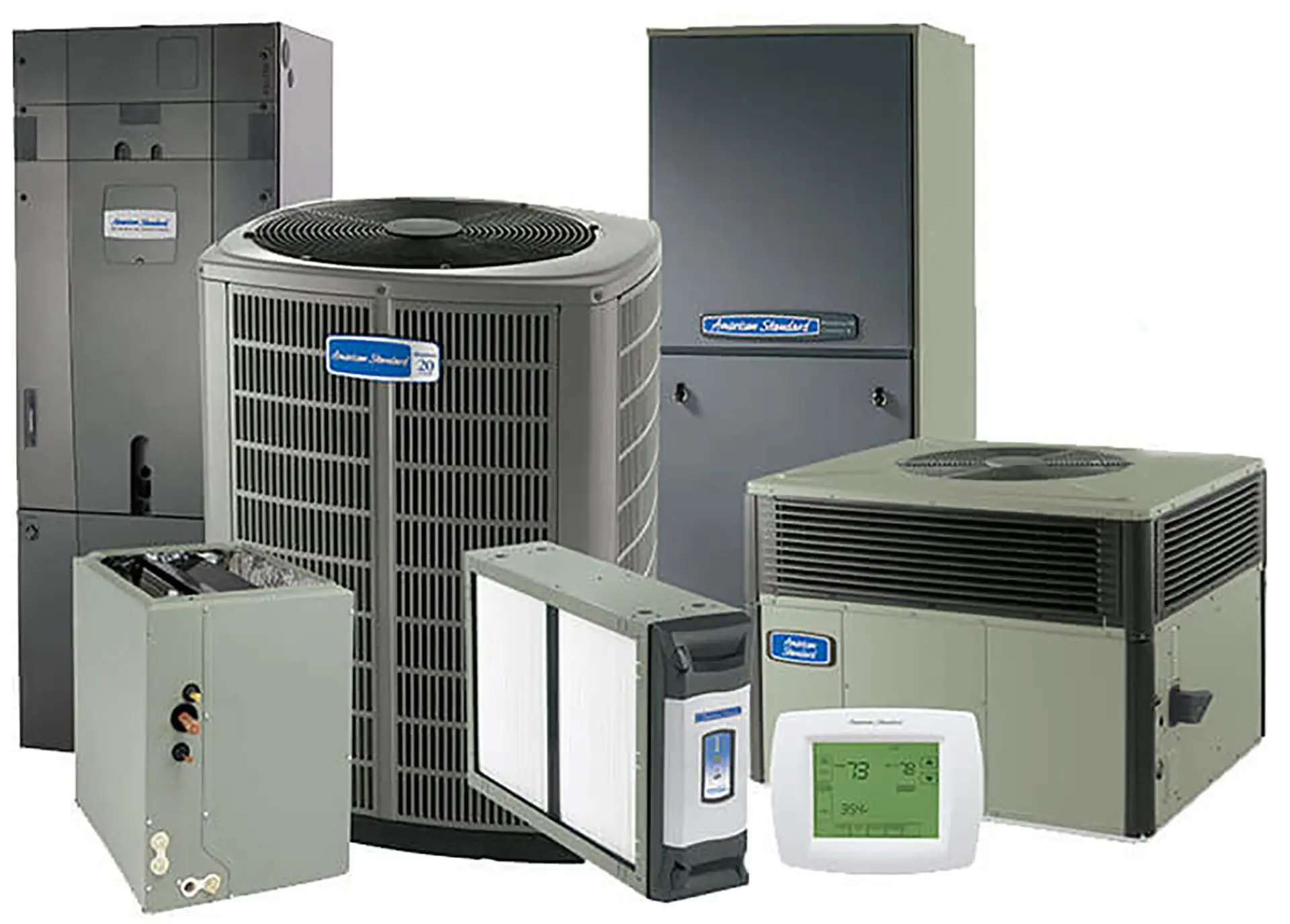
When you’re shopping for a new HVAC system or trying to understand what’s already keeping your Central Texas home comfortable, it helps to know what you’re actually looking at. Split systems are the most common type of HVAC setup in our area, but they come in several different configurations depending on your heating and cooling needs.
Let’s break down the main types of split systems and their key components so you can make informed decisions about your home’s comfort.
What Makes a Split System “Split”?
A split system gets its name because the equipment is literally split between two locations: one part sits outside your home, and another part lives inside. This design is different from a packaged unit where everything is housed in one big box outside.
The beauty of split systems is their flexibility. You can mix and match different components based on your home’s specific needs, energy preferences, and budget. Let’s dive into the most popular configurations you’ll find in Central Texas homes.
Heat Pump Systems: The All-in-One Solution
Heat pump systems are incredibly popular in our mild Central Texas climate because they can both heat and cool your home efficiently. Here’s what makes up a complete heat pump system:
Heat Pump Condenser (Outdoor Unit)
This is the workhorse that sits outside your home. Unlike a traditional air conditioning condenser that only cools, a heat pump condenser can reverse its operation to provide heating too. It contains a compressor, condenser coils, a reversing valve, and a fan. The reversing valve is the magic component that switches the refrigerant flow direction to change between heating and cooling modes.
Indoor Air Handler
The air handler lives inside your home, usually in a closet, attic, or basement. It contains the indoor coil (which acts as an evaporator in cooling mode and a condenser in heating mode), a blower fan to circulate air, and the ductwork connections. This unit works together with the outdoor condenser to heat and cool your home.
Emergency Heat Kit (Backup Heat)
Central Texas winters are usually mild, but we do get those occasional cold snaps where temperatures drop into the 20s or teens. Heat pumps lose efficiency in extremely cold weather, so most systems include an emergency heat kit with electric resistance heating elements. This backup heat kicks in automatically when outdoor temperatures drop too low for the heat pump to work efficiently.
The beauty of heat pump systems is that both the outdoor condenser and indoor air handler work together for both heating and cooling. In summer, the system pulls heat from inside your home and dumps it outside. In winter, it reverses this process, pulling heat from outside air (yes, even cold air contains heat!) and moving it inside.

Gas Furnace Systems: Traditional Comfort
Gas furnace systems are still extremely popular, especially in homes with existing natural gas connections. Here’s how these systems work:
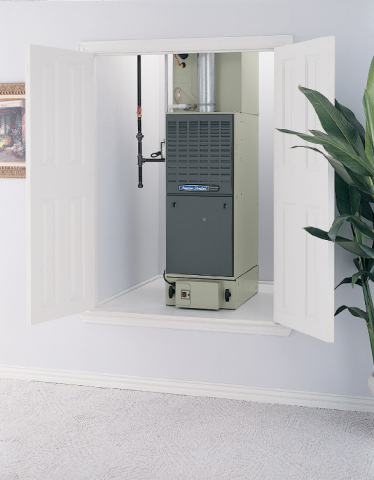
Natural Gas Furnace
The furnace is typically located inside your home in a utility room, attic, closet or garage. It burns natural gas to create heat, with a heat exchanger transferring that heat to the air that gets circulated through your home. Modern furnaces are much more efficient than older models and include safety features like flame sensors and pressure switches.
Cased Evaporator Coil
This component sits on top of or next to your furnace and contains the indoor coil for your air conditioning system. During cooling season, this coil removes heat and humidity from the air passing through it. The “cased” part refers to the metal housing that contains the coil and includes connections for refrigerant lines.
Air Conditioning Condenser (Outdoor Unit)
For cooling, you’ll have a separate outdoor unit that works specifically for air conditioning. This condenser contains a compressor, condenser coils, and a fan, but unlike a heat pump, it only provides cooling.
In a gas furnace system, heating and cooling are completely separate processes. When you need cooling, the outdoor condenser and indoor evaporator coil work together to remove heat from your home. When you need heating, only the gas furnace operates, burning natural gas to warm the air that circulates through your ductwork.
Mini Split Systems: Flexible Comfort Solutions
Mini split systems offer incredible flexibility and are perfect for specific situations like room additions, homes without existing ductwork, or when you want individual room control.
Ductless Mini Splits
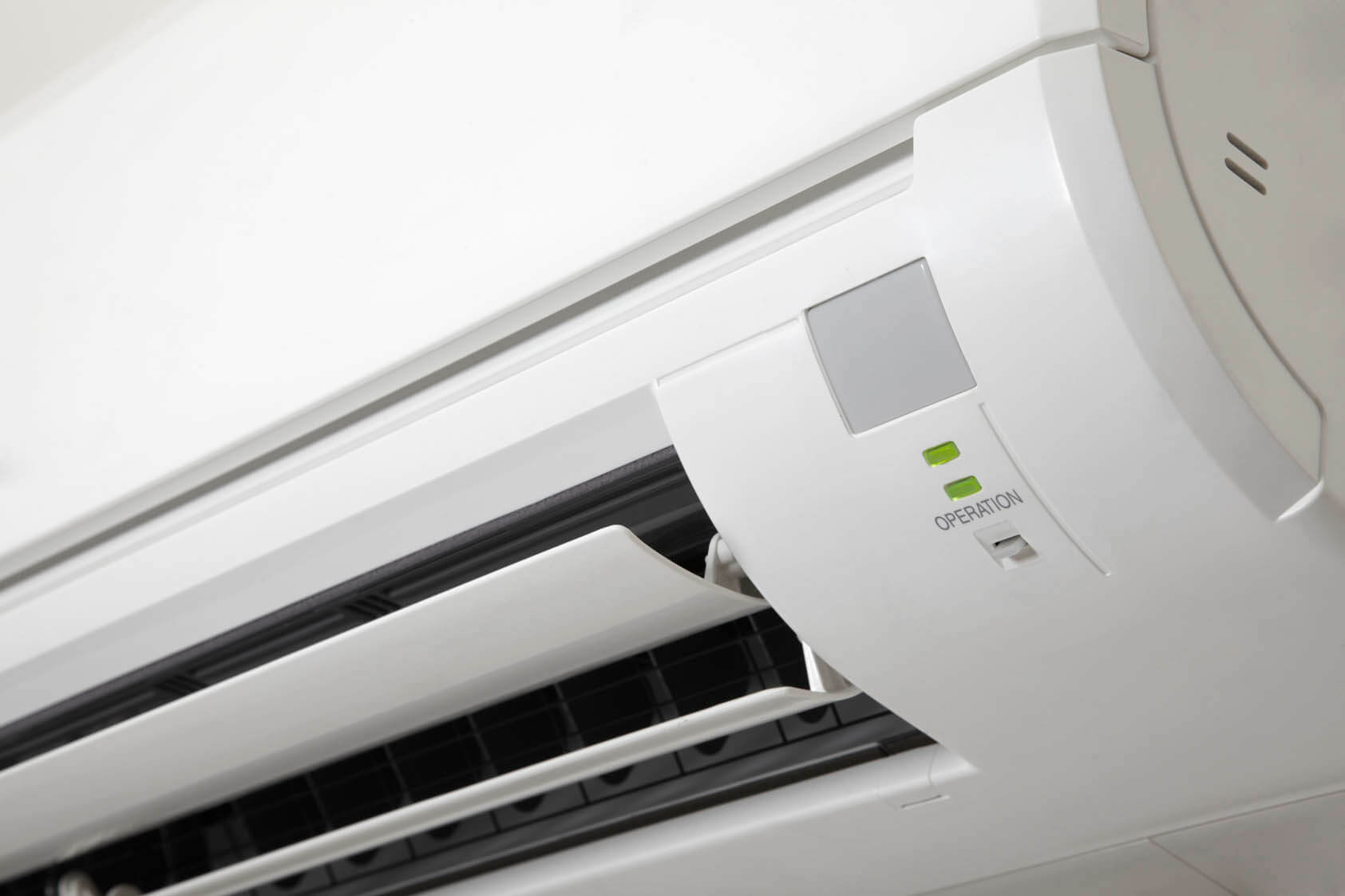
These are the most common type of mini split. The outdoor unit connects to one or more indoor units mounted on walls or recessed in ceilings. Each indoor unit can be controlled independently, so you can keep the living room at 75 degrees while the bedroom stays at 70 degrees. No ductwork is needed: just a small hole through the wall for the refrigerant lines and electrical connections.
Ducted Mini Splits
Less common but useful in certain applications, ducted mini splits connect to a small duct system to serve multiple rooms from one indoor unit. These work well for additions where running full ductwork would be impractical.
Heat Pump vs. Cooling Only Options
Mini splits come in two main varieties. Heat pump models can both heat and cool, making them perfect for our Central Texas climate. Cooling-only models are less expensive but only provide air conditioning: you’d need a separate heating solution.
The outdoor unit in a mini split system is usually smaller than a traditional split system condenser and can connect to multiple indoor units, making them great for zoning applications.
Propane Heating Systems: Rural Home Solutions
Many homes in the Central Texas area, especially in rural locations, rely on propane for heating. Here’s what you need to know:
Gas Furnace with Propane Conversion Kit
Propane heating systems use essentially the same setup as natural gas systems, but with an important modification. The gas furnace requires a propane conversion kit that adjusts the burner orifices and gas valve settings to work safely and efficiently with propane instead of natural gas.
Propane burns hotter and has different pressure requirements than natural gas, so this conversion is crucial for safe operation. Never attempt to use a natural gas furnace with propane without proper conversion: it’s dangerous and won’t work properly.
The rest of the system (evaporator coil and outdoor air conditioning condenser) remains the same as a traditional gas furnace system. You’ll still have separate heating and cooling components, with only the furnace providing heat.

Dual Fuel Systems: The Best of Both Worlds
Dual fuel systems combine the efficiency of a heat pump with the reliability of gas heating. This setup gives you maximum comfort and efficiency year-round:
Heat Pump Condenser
Just like in a standard heat pump system, you’ll have an outdoor heat pump condenser that provides efficient heating and cooling for most of the year.
Gas Furnace
Instead of electric backup heat, dual fuel systems use a gas furnace as the backup heating source. The system automatically switches from the heat pump to the gas furnace when outdoor temperatures drop below a certain point (usually around 35-40 degrees) or when the heat pump can’t keep up with demand.
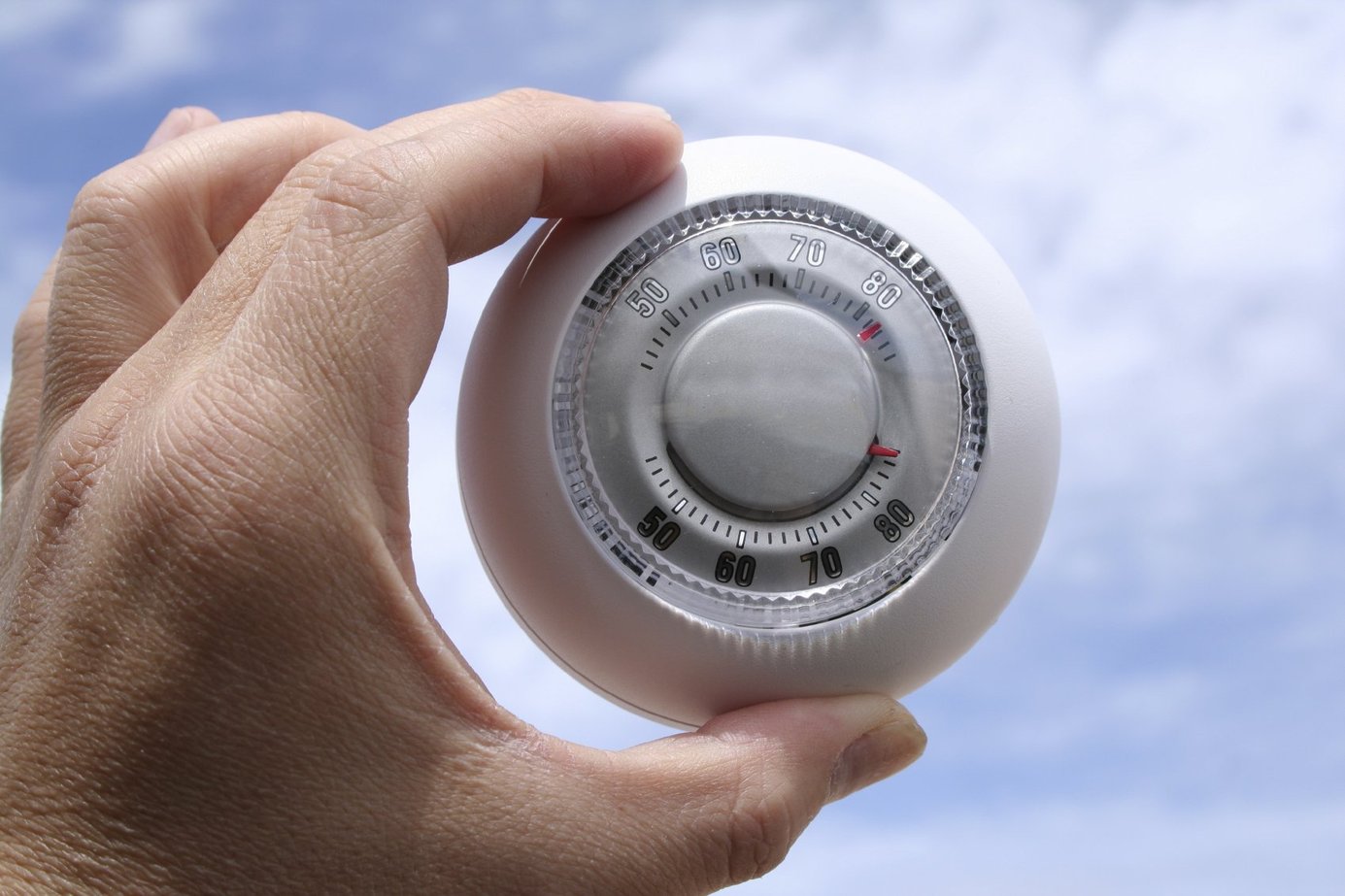
Smart Controls
Modern dual fuel systems use smart controls that automatically determine the most efficient heating source based on outdoor temperature and energy costs. During mild weather, the heat pump runs because it’s more efficient. During extreme cold, the gas furnace takes over because it can produce heat more reliably and often more economically.
This combination gives you the energy efficiency of a heat pump during our mild Central Texas winters and the heating power of a gas furnace during those rare but brutally cold snaps.
Choosing the Right System for Your Home
Each type of split system has its place in Central Texas homes. Heat pumps work great in our mild climate and provide excellent efficiency. Gas furnace systems offer reliable heating and work well if you already have natural gas service. Mini splits are perfect for additions or homes without existing ductwork. Dual fuel systems give you the best of both worlds but require both gas and electrical connections.
The key is working with an experienced HVAC professional who can assess your home’s specific needs, existing infrastructure, and your comfort preferences. At Accu-Temp Air Conditioning & Heating, we help Central Texas homeowners choose the right split system configuration for their unique situation.
Understanding your system’s components helps you make informed decisions about maintenance, repairs, and eventual replacement. Whether you’re dealing with a simple heat pump or a complex dual fuel setup, knowing what each component does makes you a more informed homeowner.