Get Ahead of the First Cold Front: A Central Texas Homeowner’s Guide to Prepping Your HVAC for Cooler Weather
Central Texas can go from windows-open weather to a chilly morning in a hurry. A little preparation now can help you catch simple issues early and avoid discovering a heating problem when the first cold front has everyone calling for service.
Your quick cooler-weather checklist
- Replace or clean your HVAC filter.
- Test smoke and carbon monoxide (CO) alarms; replace batteries as directed.
- Schedule a professional fall tune-up for your heater.
- Test the heat on a mild day.
- Clear leaves and debris from around your heat pump.
- Make sure supply registers and return grilles aren’t blocked.
- Check thermostat batteries, settings, and schedules.
- Take a safe look around the attic and indoor equipment.
- Keep gutters, downspouts, and nearby outdoor water lines ready for freezing weather.
- Seal obvious drafts and switch ceiling fans to winter mode.
Here’s why each step matters, and where the DIY line ends.
1. Change the HVAC filter
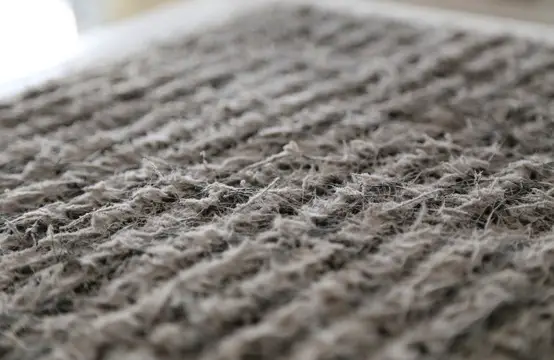
Start with a clean filter before the first cold snap. Many systems use different blower speeds or controls in heating mode than in cooling mode, but both modes need good airflow. A clogged filter can restrict that airflow and make your equipment work harder.
Check the filter monthly and replace or clean it according to the filter and equipment instructions. The right schedule depends on the filter type, household, pets, and how often the system runs. Make sure the new filter fits properly and faces the direction shown by the airflow arrow. If you’re unsure which filter your system needs, ask a technician rather than guessing. See our guide to changing HVAC filters.
2. Treat smoke and CO alarms as a heating-season safety priority
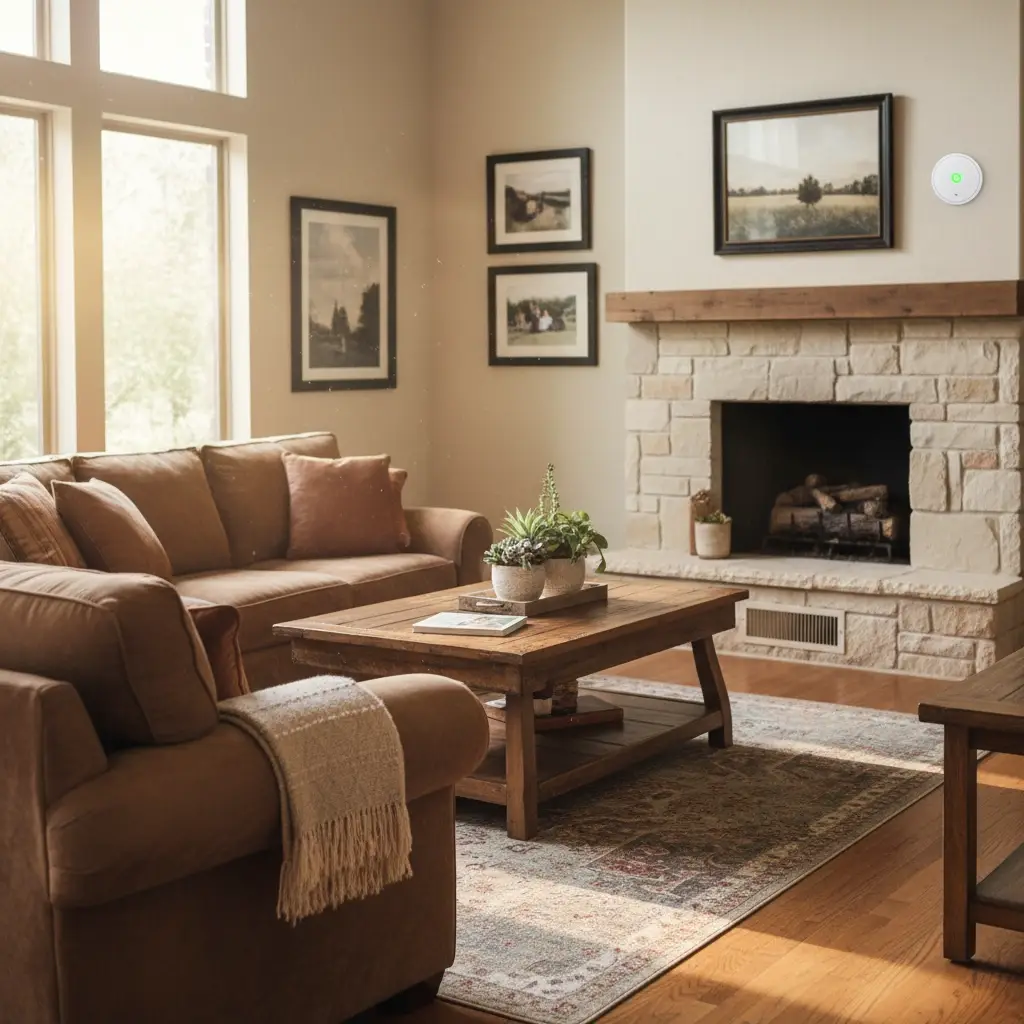
Test your smoke and carbon monoxide alarms and replace batteries as directed by the alarm manufacturer. If an alarm has a sealed, nonreplaceable battery, or has reached its end-of-life date, follow the manufacturer’s replacement instructions. Make testing a regular habit, not just a once-a-year task.
This is especially important if you have a gas or propane furnace. A fuel-burning furnace is a potential source of carbon monoxide if something goes wrong with combustion or venting. CO has no color or smell, so you can’t rely on your senses to detect it. Place and maintain alarms according to the manufacturer’s instructions and applicable local requirements. The Texas Department of Insurance’s CO safety guidance is a useful reference.
If a CO alarm sounds, get everyone and all pets outside immediately and call 911 from outdoors. Don’t stay inside to search for the source or silence the alarm. If anyone has symptoms such as headache, dizziness, nausea, weakness, or confusion, tell the dispatcher. Read more in our guide to smoke and CO detectors for homes with gas furnaces.
3. Schedule a professional fall heater tune-up
Even in our relatively mild winters, a heater that has been idle for months deserves a check before it’s working hard. The Texas Department of Licensing and Regulation recommends having a licensed contractor evaluate your heating system each fall.
For a gas or propane furnace, a professional can inspect the heat exchanger, burners, combustion, venting, electrical connections, and safety controls, and check for carbon monoxide. Heat exchangers, gas pressure, combustion, flues, and CO testing are not homeowner DIY jobs. These checks call for training and specialized equipment.
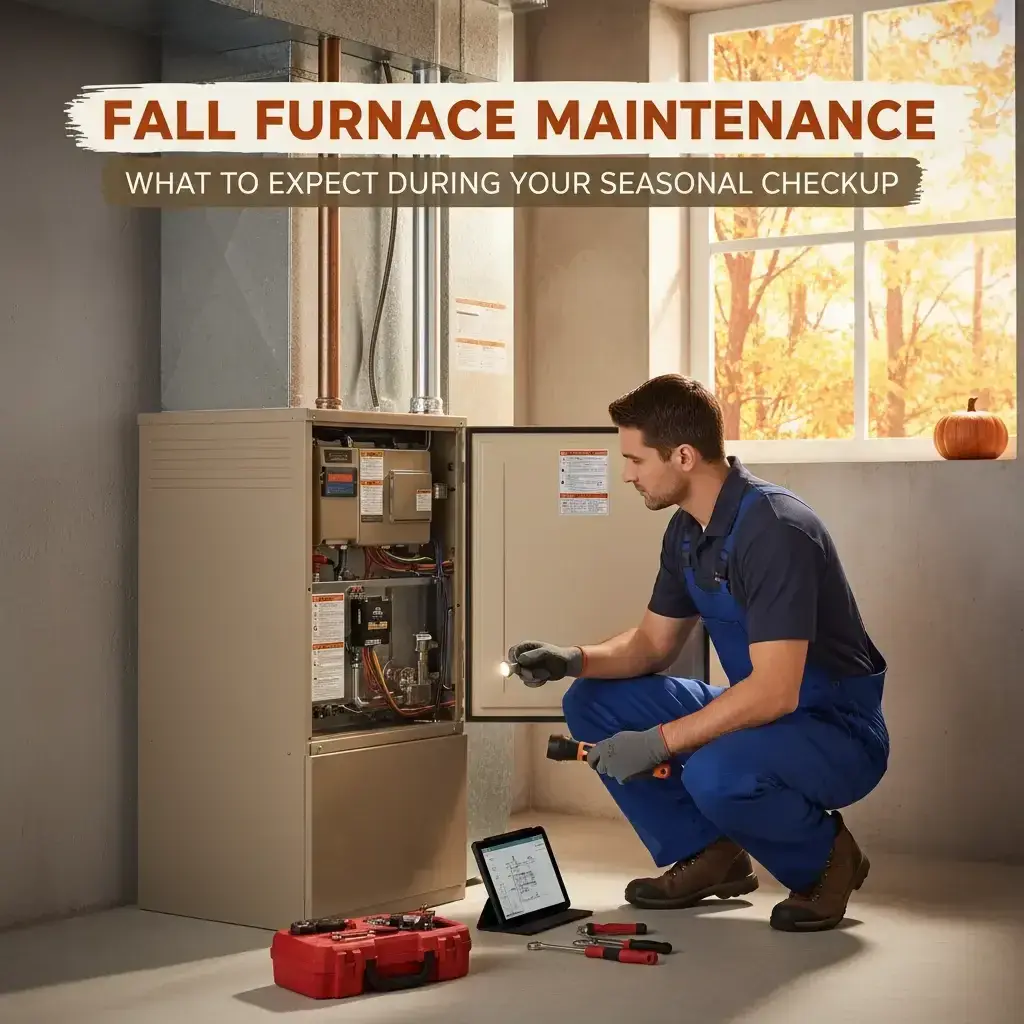
For a heat pump, a technician can check heating operation, refrigerant, electrical components, and any backup or auxiliary heat. Those are professional tasks, too. Homeowners can safely replace filters, keep equipment clear, and report unusual noises or odors, but don’t open panels or try to repair wiring, refrigerant components, or combustion equipment. Our post on what to expect during fall furnace maintenance explains the visit in more detail.
4. Test the heat before the first cold snap
On a mild day, set the thermostat to heat and raise the temperature a few degrees above the room temperature. Give the system time to start and warm the house. This gives you a chance to notice a problem when it’s 70°F outside, not during a cold morning when service appointments may be in high demand.
A brief dusty smell during the first run can be normal as dust on heating components burns off. It should fade fairly quickly. If you notice a persistent burning or electrical smell, unusual noises, or the system starts and stops repeatedly, turn it off and arrange a professional diagnosis. If you smell gas, leave the home and call 911 or your gas utility from outside. Learn more about short cycling and what it can signal.
5. Clear leaves and debris around heat pumps
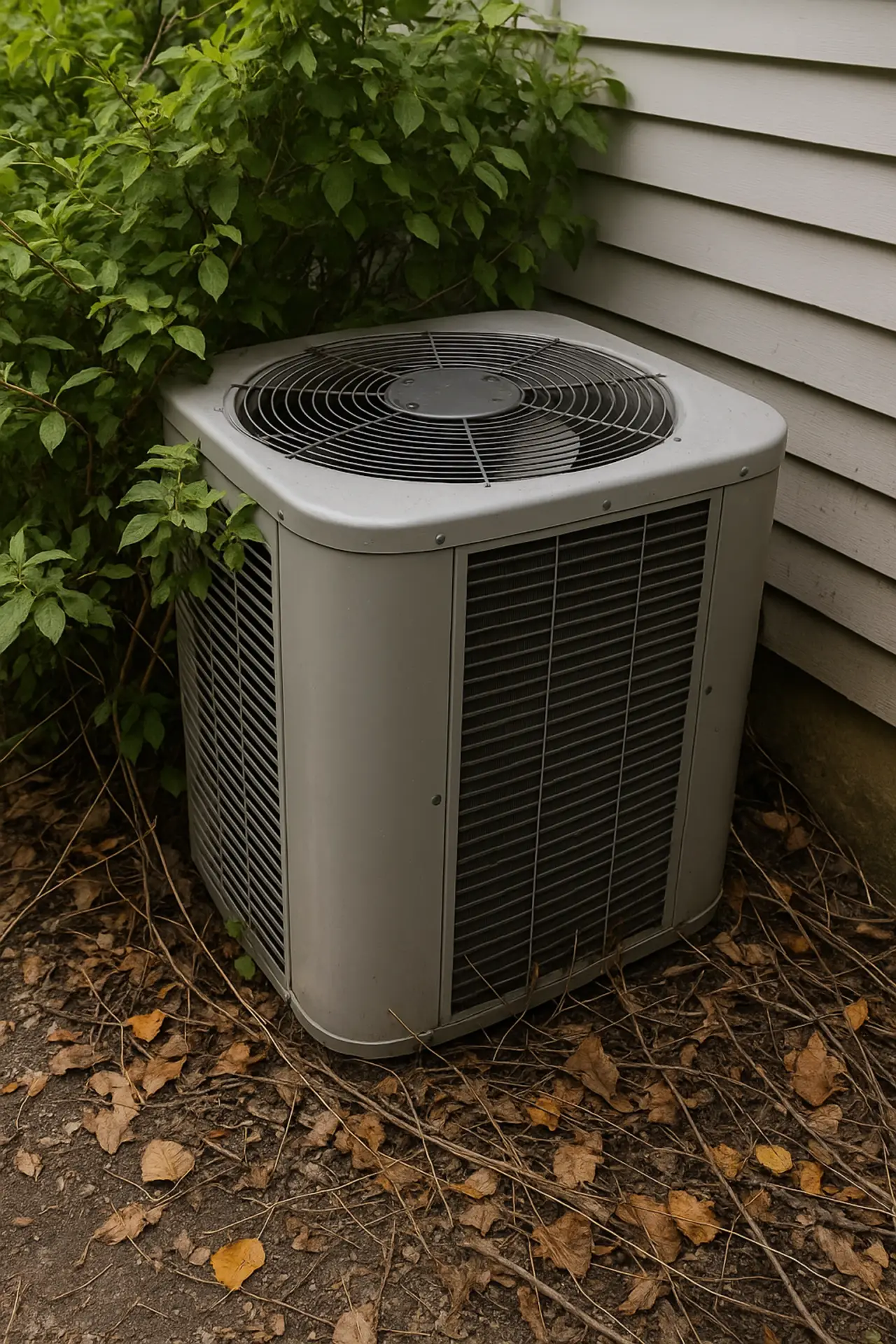
Heat pumps use an outdoor unit for both heating and cooling, so they keep running through winter. Remove leaves, grass, and loose debris around the unit, trim back vegetation, and don’t store tools, bins, or decorations against it. Keep the air path open, following the clearance guidance for your equipment.
If the coil needs a rinse, turn the system off and use a gentle stream of water. Don’t use a pressure washer, bend the delicate fins, or remove panels. If you see heavy buildup, damage, or repeated icing, contact an HVAC professional instead of trying to chip or scrape it away.
6. Check airflow throughout the house
Walk through the rooms and make sure supply registers and return grilles aren’t blocked by rugs, curtains, furniture, or stored items. Keep them open unless your system’s instructions say otherwise. Good airflow helps the system distribute heat as intended.
This is a simple homeowner check. If some rooms remain unusually cold or airflow seems weak throughout the home, make a note of it for your technician rather than opening ductwork yourself.
7. Check the thermostat and its schedule
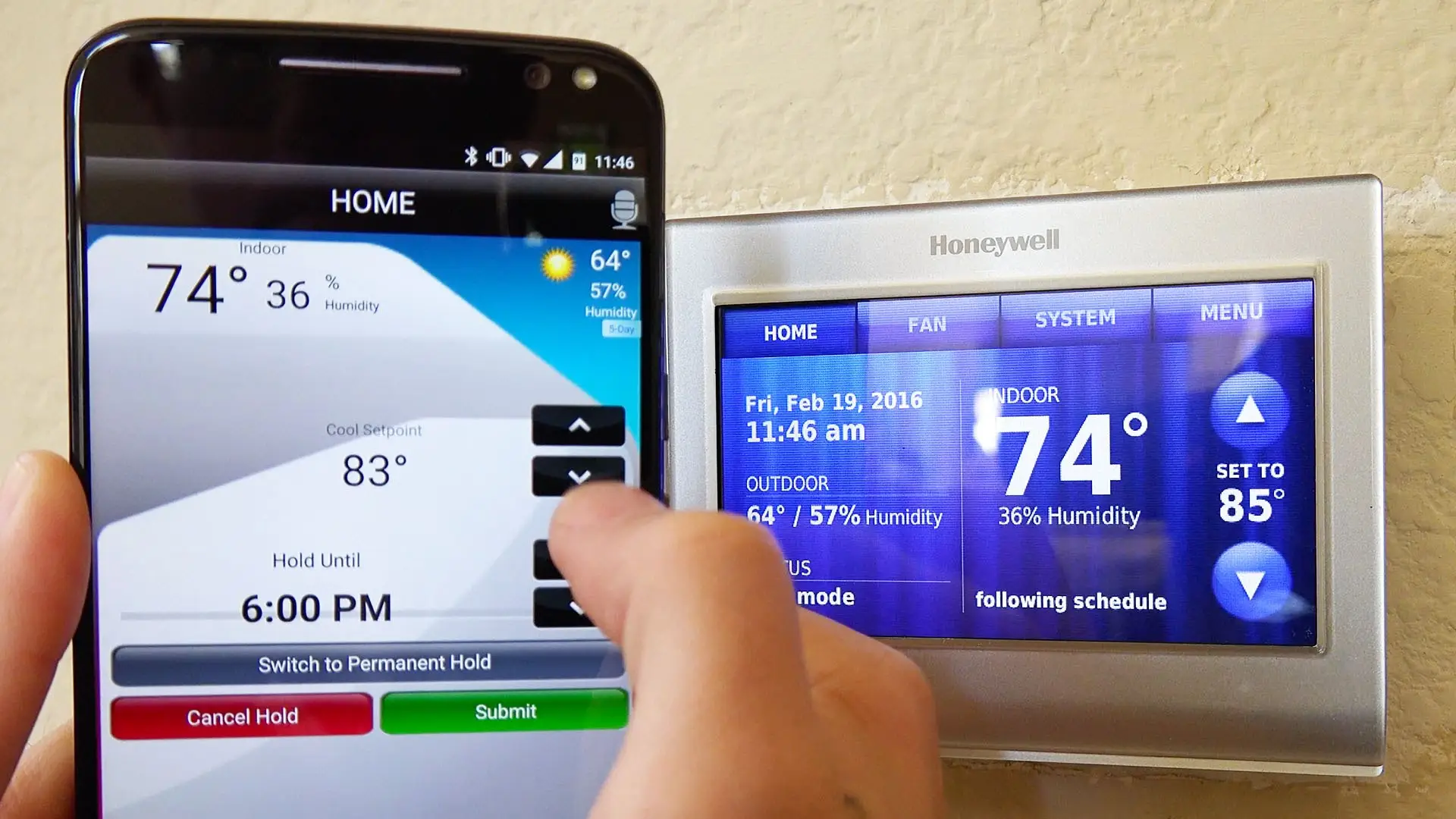
If your thermostat uses batteries, check them or replace them if needed. Confirm it’s set to heat and review the schedule for heating-season routines. A cooling-season schedule may not match when your household is home or asleep during cooler months.
If the thermostat display is blank or the system doesn’t respond after you’ve checked its settings and batteries, avoid repeatedly resetting the system. A technician can diagnose electrical or control issues safely.

8. Take a safe look around the attic and indoor equipment
Some Central Texas homes have furnaces or air handlers in the attic. Only inspect areas you can reach safely, never step onto ceiling drywall or climb over equipment. Look for obvious signs of pests, such as droppings, nesting material, or damaged insulation. Rodents can damage wiring and ductwork; don’t attempt electrical repairs yourself. Our article on ants and rodents around HVAC equipment covers what to watch for.
Keep the area around the furnace and indoor unit clear. For gas equipment, keep combustibles such as boxes, paper, and household chemicals away from the furnace, and don’t block access needed for service.
9. Keep drainage and nearby outdoor water in mind
Check that gutters and downspouts aren’t sending roof runoff onto the outdoor HVAC unit or leaving water pooled around its base. Keep leaves clear of the unit and any outdoor vent terminations, too.
If hose bibs or irrigation lines near the equipment need seasonal freeze protection, disconnect hoses and follow the instructions for those water lines. Don’t pour water into HVAC equipment or alter the system’s drains.
10. Reduce drafts and move warm air where you need it
Weatherstripping and sealing obvious gaps around exterior doors can reduce drafts and the heating load on your system. For simple gaps, homeowners can often add weatherstripping; larger or persistent leaks may need a professional’s attention.
If your ceiling fan has a winter setting, switch it to clockwise on low speed to gently push warm air down in occupied rooms. Check the fan’s switch or manual to confirm the direction for your model.
A little preparation makes a cold front easier
Filters, alarm batteries, clear registers, thermostat settings, and a safe visual check are all useful homeowner tasks. Furnace combustion and venting, heat exchangers, refrigerant, and electrical repairs belong to a trained professional. If you’d like help getting your heating system ready, contact Accu-Temp to schedule a fall check. We’ll explain what we find and help you decide what makes sense for your home.