
Why Did My AC Trip the Breaker? (And How to Fix It Fast)
It’s a Saturday afternoon in late Spring, and the Texas heat is already starting to make its presence felt. You’re sitting on the couch, enjoying the cool breeze from your vents, when suddenly: silence. The humming stops, the air stops moving, and the house starts getting stuffy within minutes.
If your AC suddenly quits and the thermostat screen goes blank (or shows it’s “cooling” but nothing is happening), there’s a good chance you’ve tripped a breaker.
At Accu-Temp Air Conditioning & Heating, we get calls about this all the time. Sometimes it’s a simple fix you can do yourself in thirty seconds, and other times it’s your system’s way of screaming for help before something expensive breaks. Our team wants you to stay cool without the stress. Let’s walk through exactly how to handle a tripped AC breaker, how to find it, and, most importantly, why it happened in the first place.
Step 1: Hunting for the “Magic Box” (Locating Your Breaker Panel)
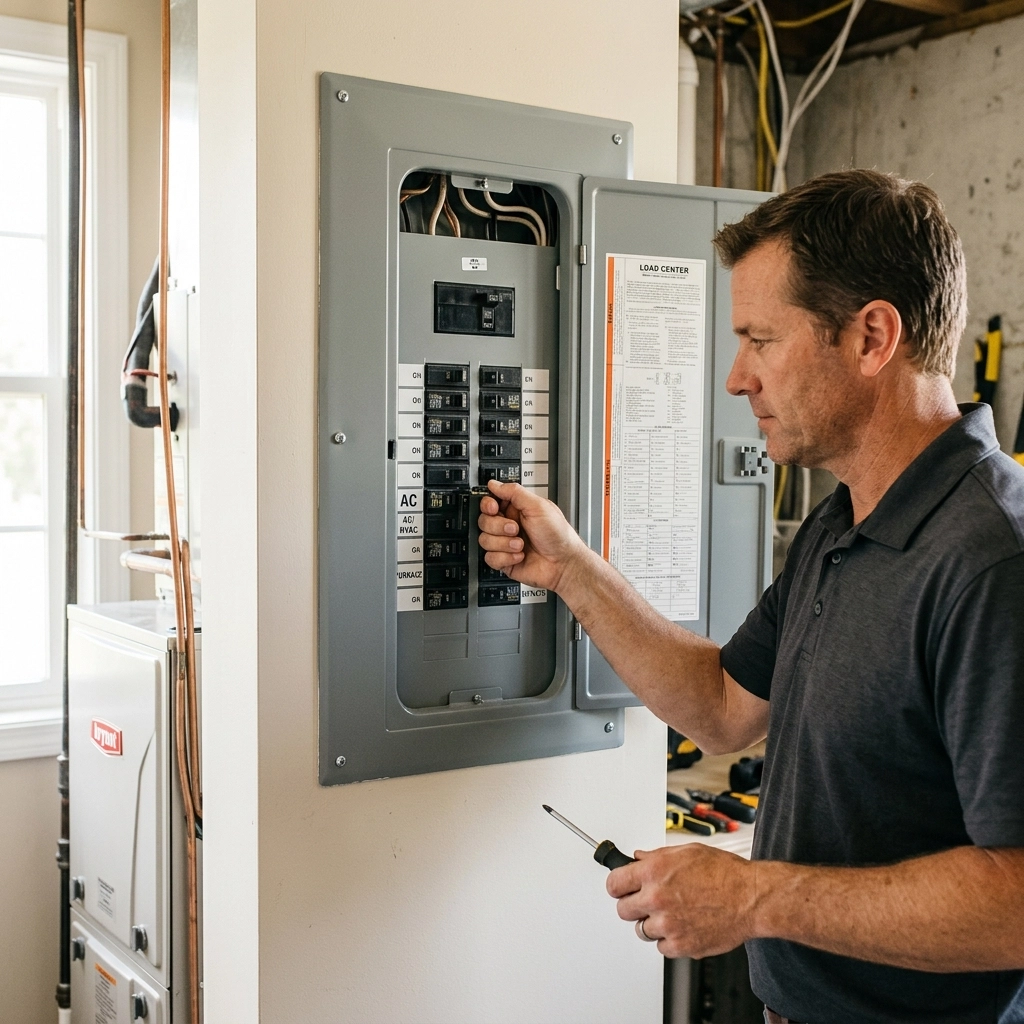
Before you can fix anything, you have to find the breaker box. In most Central Texas homes, the electrical panel (also known as the load center or breaker box) isn’t exactly a centerpiece of home decor. It’s usually tucked away where it won’t be seen.
If you aren’t sure where yours is, check these common hiding spots:
- The Garage: This is the most common spot in newer homes. Look on the side walls.
- Outside: Sometimes the main panel is located on an exterior wall, often near the electric meter where the power lines come into the house.
- The Laundry Room or Mudroom: Check behind the door or inside a cabinet.
- A Hallway or Closet: In older homes, panels are sometimes hidden behind a small door in a hallway or at the back of a master bedroom closet.
Once you find the metal box, open the door. You’ll see a sea of black switches.
Step 2: Finding the “AC” Label
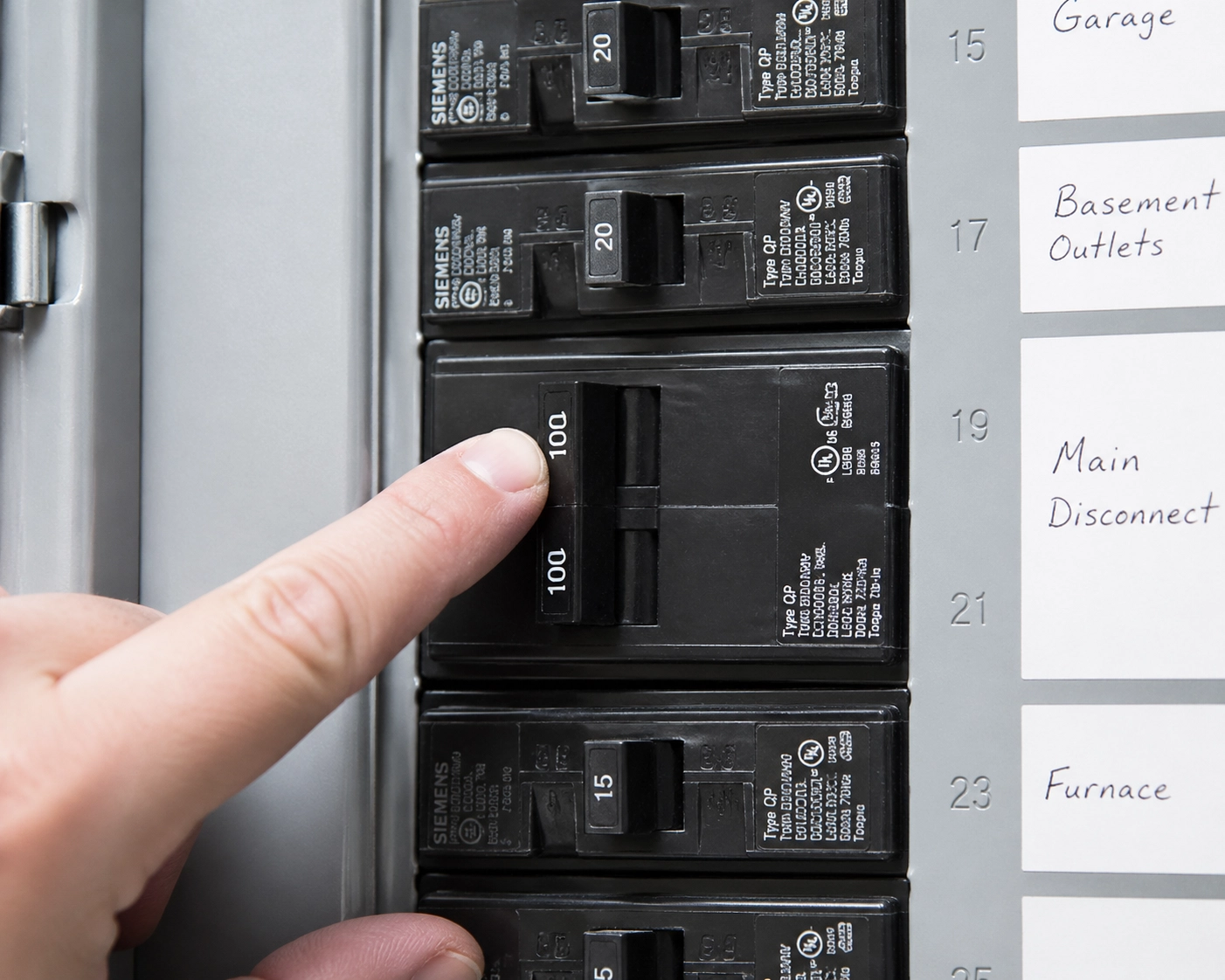
Inside the door of the panel, there should be a directory (a handwritten list or a printed map) telling you what each switch controls. You’re looking for a switch labeled “AC,” “Air Conditioner,” “Condenser,” or “HVAC.”
Pro Tip: Your AC breaker is usually a “double-pole” breaker. This means it looks like two switches joined together by a single plastic bar. It’s larger than the single switches used for your lights or wall outlets because your AC unit requires a lot more “oomph” (240 volts) to run.

Step 3: The “Off-Then-On” Secret
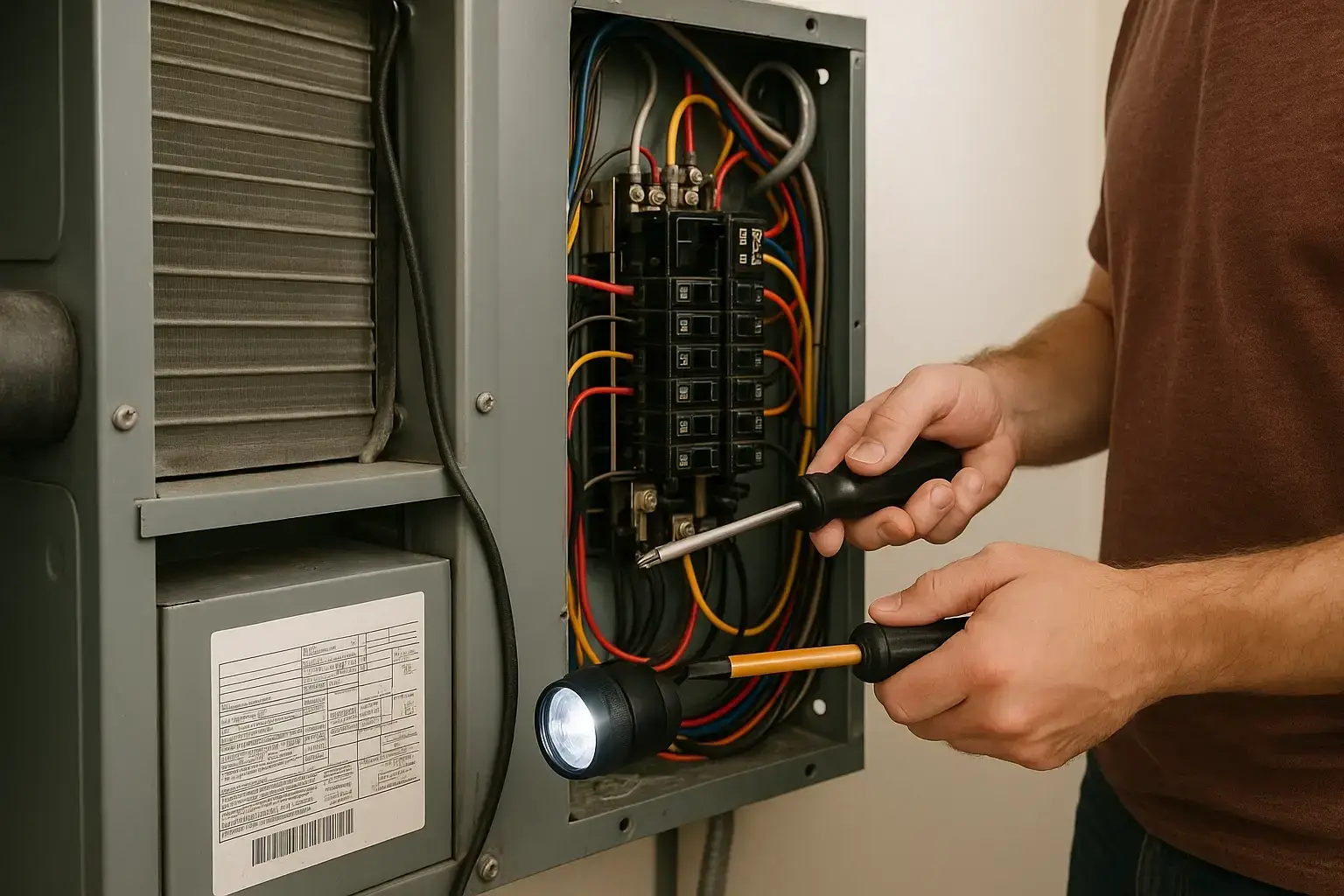
When a breaker trips, it doesn’t usually flip all the way to the “OFF” position. Instead, it gets stuck in the middle. It might look like it’s still on, but if you poke it, it will feel springy or loose.
To reset it properly, follow these steps:
- Flip it all the way to OFF: You have to move the switch firmly to the “OFF” position first. You should hear a solid click.
- Wait a second: Give it a beat to fully reset the internal mechanism.
- Flip it all the way to ON: Push it back toward the center of the panel until it clicks into the “ON” position.
If your AC starts humming again and the air begins to flow, you’re in business! But don’t stop reading yet: we need to talk about why it happened.
Step 4: The “Weak Breaker” Test
While you’re at the panel, pay attention to how that switch feels. A healthy breaker should feel firm and provide a distinct “snap” when you move it.
If the breaker feels “mushy,” “weak,” or won’t stay in the “ON” position even when the AC isn’t trying to start, the breaker itself might be the problem. Over time, the internal springs and contacts in a breaker can wear out, especially in our older home electrical systems. If it feels flimsy, it’s likely failing and needs to be replaced by a licensed electrician.
Why Did It Trip? The Usual Suspects
A breaker trips for one primary reason: Overload. The breaker is a safety device designed to cut power if the system tries to pull more electricity than the wires can safely handle. If it didn’t trip, the wires could overheat and start a fire.
So, why is your AC suddenly acting like an electrical hog? Here are the common culprits:
1. A Filthy Air Filter
This is the number one cause of HVAC issues in Texas. When your filter is clogged with dust, pet hair, and Cedar pollen (we see a lot of cedar fever around here!), your blower motor has to work twice as hard to pull air through the system. Working harder means pulling more electricity, which eventually trips the breaker.
Check out our HVAC filter guide to make sure you’re using the right kind and changing it often enough.
2. Dirty Condenser Coils
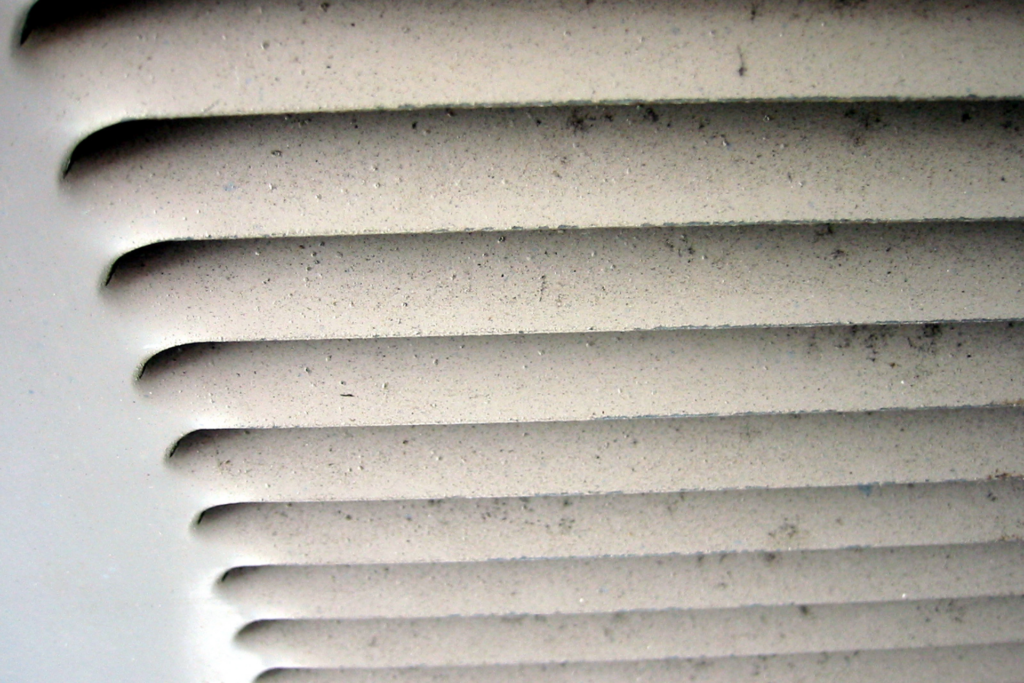
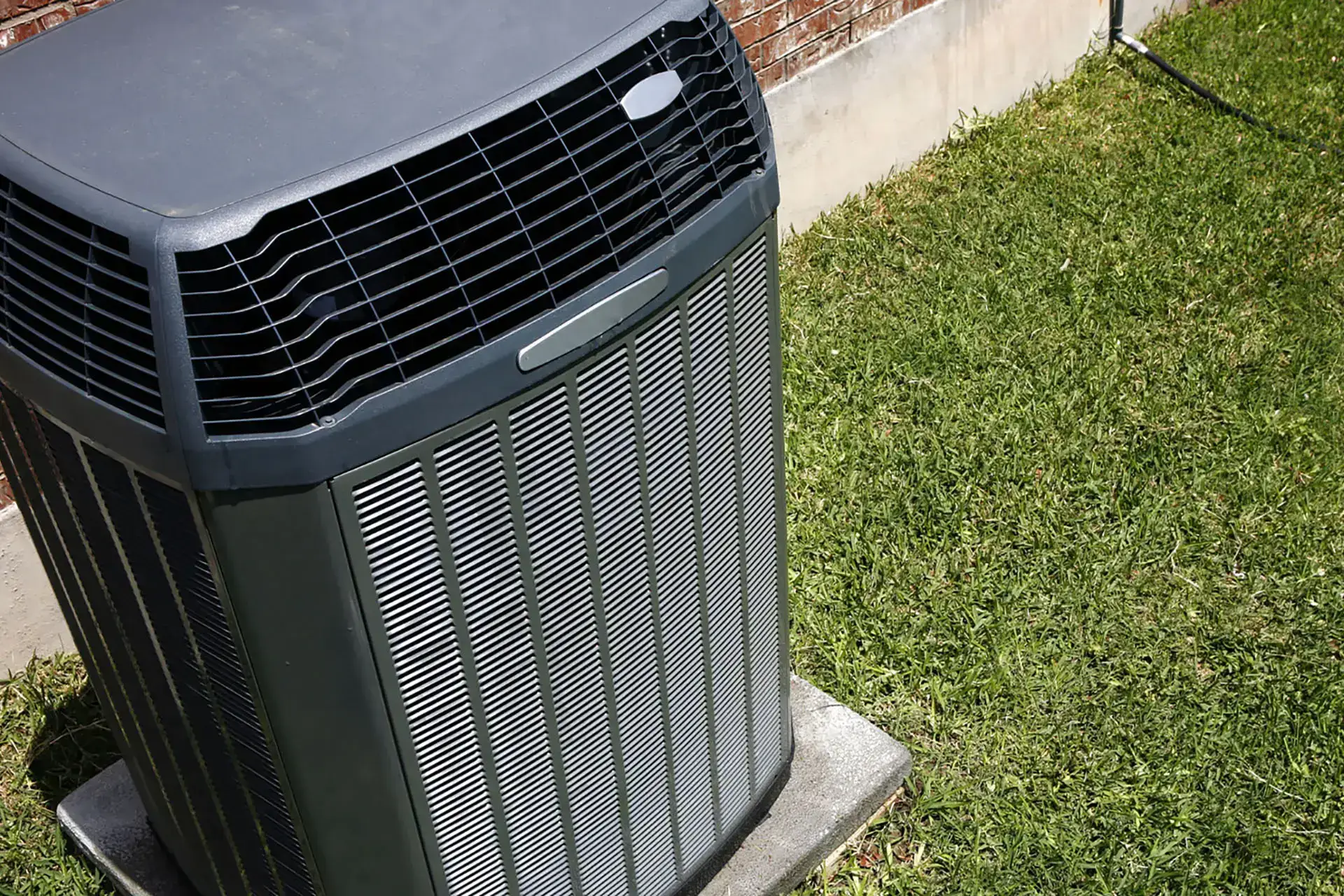
The outdoor unit (the condenser) needs to release heat into the outside air. If the metal fins are covered in dirt, grass clippings, or spider webs, the unit can’t “breathe.” This causes the compressor to overheat and draw excess current to keep up with the cooling demand. Keeping the area around your unit clear is a huge help for cut your cooling bills.
3. Low Refrigerant
If your system is low on refrigerant (due to a leak), it has to run longer and harder to reach the temperature set on your thermostat. This constant strain can cause the components to overheat and trip the breaker. If you notice ice on your copper lines or the AC just isn’t blowing cold, this is likely your problem.
4. A Failing Capacitor or Compressor
The capacitor is like a big battery that gives your motor a “kick” to start up. If it’s failing, the motor might struggle to start, pulling a massive surge of electricity that trips the breaker instantly. If the compressor itself is old and “tight,” it may also cause a trip. This is common in a 10-year-old HVAC system that’s nearing the end of its life.
5. A Simple Power Surge
Sometimes, it’s not your AC’s fault at all. A quick flicker in the local power grid or a nearby lightning strike can cause a surge that trips the breaker. If you reset it and it doesn’t trip again for the rest of the season, it might have just been a one-time fluke. Learn more about adding a surge supressor here.
When to Call the Pros at Accu-Temp
Here is the most important rule of thumb: If the breaker trips a second time, STOP.
Do not keep resetting the breaker if it keeps tripping. Every time you flip it back on, you are forcing electricity into a system that is already telling you something is wrong. Doing this can permanently damage your compressor, the “heart” of your AC, which is a very expensive part to replace.
If you’ve reset it once and it trips again immediately (or even a few hours later), it’s time to give us a call. At Accu-Temp, we believe in honest pricing. We’ll come out, find the exact electrical or mechanical fault, and give you a straight answer on how to fix it without the high-pressure sales tactics.
Whether it’s a simple condensate safety switch issue or a more complex motor failure, we’ve got your back.
Final Thoughts
A tripped breaker is your home’s way of protecting itself. While it’s annoying to lose your cooling on a warm day, it’s much better than a melted wire or a house fire. By knowing how to find your panel, how to properly reset the switch, and when to recognize a “weak” breaker, you’re already ahead of the game.
Keep those filters clean, keep the outdoor unit clear of weeds, and if your AC starts acting up, remember that Rafael and the team at Accu-Temp are just a phone call away. We make comfort easy, so you can get back to relaxing in the cool air you deserve!
Need a hand? Give us a shout or visit our news and insights page for more tips on keeping your home running smoothly all year long.