
10 Reasons Your AC Can’t Keep Up With This Austin Heatwave (And How to Fix It)
If you’ve lived in Central Texas for more than a few days, you know that July isn’t just “hot”: it’s a marathon of 100-degree days that can push even the best air conditioning systems to their breaking point.
When you’re sitting on your couch and the thermostat says 78°F even though you’ve set it to 72°F, it’s easy to panic. You might think your system is dying or that you’re looking at a multi-thousand-dollar repair. But here’s some good news from your friends at Accu-Temp: Sometimes, your AC isn’t actually broken; it’s just fighting a losing battle against physics.
In this post, we’re going to look at the top 10 reasons why your AC is struggling during this Austin heatwave and, more importantly, how you can fix it: often without even having to call us out for a repair.
1. You’re Fighting the “20-Degree Rule”
This is the number one thing every Austin homeowner needs to understand. Most residential AC systems are designed to create a “temperature drop” of about 20 degrees between the outdoor air and the indoor air. Learn more about the 20 degree rule here.
If it’s 105°F outside (a standard Tuesday in Austin lately), a perfectly functioning, brand-new system might only be able to pull your home down to about 80°F or 82°F during the hottest part of the afternoon. If your house is holding at 78°F when it’s triple digits outside, your AC is actually doing a great job! Trying to force it to hit 70°F during the peak of the day won’t make it colder; it will just make the system run 24/7, leading to high bills and premature wear.
The Fix: Set your thermostat to 78°F during the day. It might feel a bit warmer than you’d like, but it keeps the system from overworking. You can cut your cooling bills significantly by working with your system instead of against it.
2. Your Air Filter is Suffocating the System
Imagine trying to run a 5K while breathing through a thick wool sweater. That’s what your AC does when the filter is dirty. In the summer, your system runs more often, which means it pulls in more dust, pet hair, and Austin cedar. A clogged filter restricts airflow, causing the system to work harder and, in extreme cases, causing the indoor evaporator coil to freeze into a block of ice.
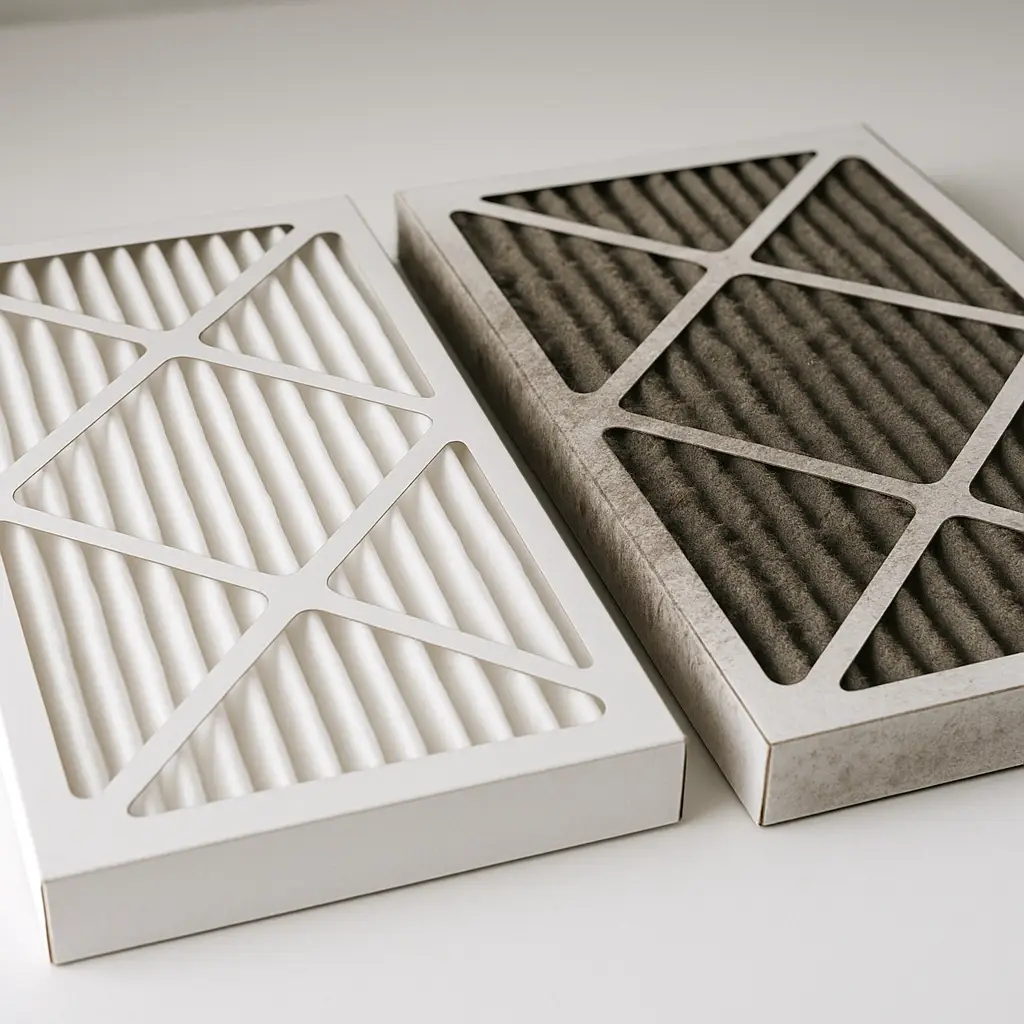
The Fix: Check your filter monthly during the summer. If it looks gray or furry, swap it out. Check out our HVAC Filter Guide to make sure you’re using the right kind for your home.
3. The Outdoor Unit is “Choking”
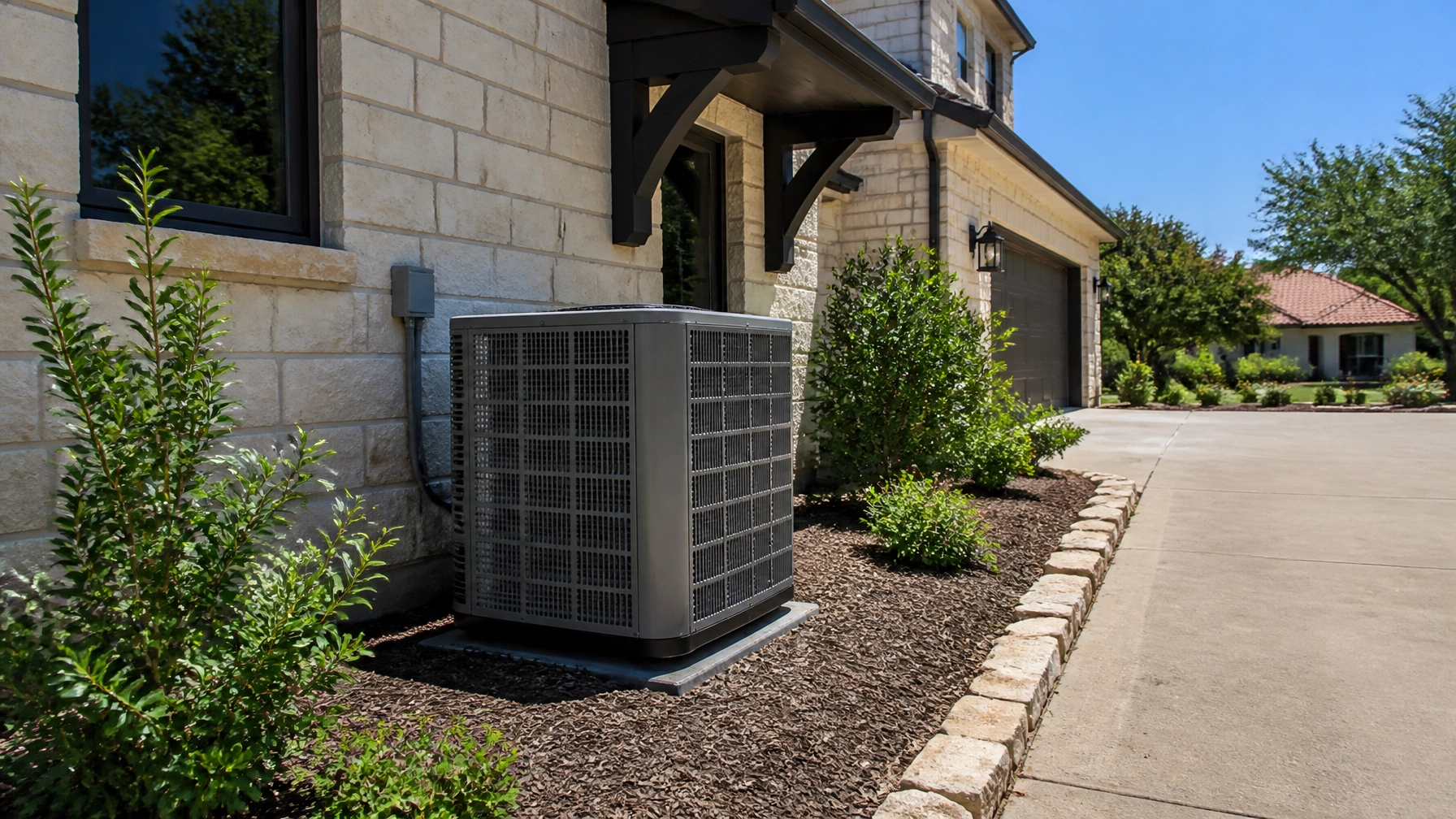
Your outdoor unit (the condenser) has one job: to release the heat it gathered from inside your house. If the coils on that unit are covered in dirt, grass clippings, or spider webs, the heat has nowhere to go. It stays trapped in the system, and your AC loses its ability to cool.
The Fix: Turn off the power to your unit at the outdoor disconnect box. Use a garden hose (gentle pressure only: never use a power washer!) to rinse the fins of the outdoor unit. Also, make sure there’s at least two feet of clear space around the unit. Trim back any bushes or weeds that are crowding it.
4. Thermostat “Gremlins” (Batteries & Settings)
Sometimes the “breakdown” is just a dead battery or a confusing setting. If your thermostat display is blank or flickering, it might just need a fresh pair of AAs. Additionally, if you have a smart thermostat, check to see if it has entered an “eco” mode or a “savings event” triggered by the utility company that is overriding your settings.
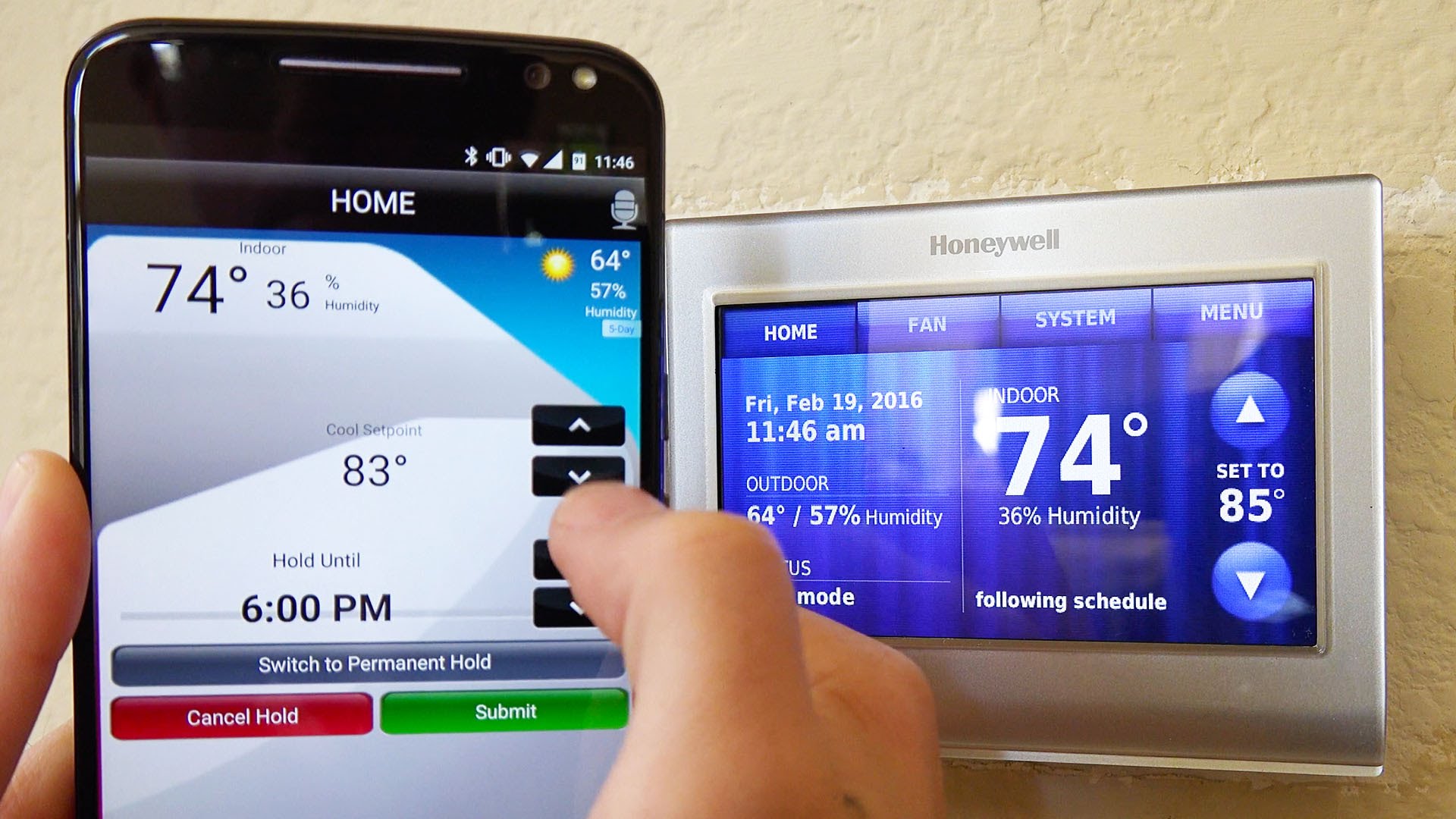
The Fix: Replace the batteries once a year. If you’re struggling with settings, many modern smart thermostats allow you to reset them to factory defaults or override temporary “savings” programs.
5. Blocked or Closed Vents
There’s a common myth that closing vents in unused rooms saves money. In reality, it does the opposite. Modern HVAC systems are balanced for the specific airflow of your entire home. Closing vents increases pressure in the ductwork, which can lead to leaks or even cause the blower motor to burn out. Similarly, make sure that “hidden” return air grilles aren’t blocked by furniture or curtains.
The Fix: Keep all interior doors open (to help air circulate) and ensure every supply vent is fully open and unobstructed.
6. Radiant Heat Gain (The “Greenhouse Effect”)
Your AC could be blowing 55-degree air perfectly, but if the Texas sun is baking your windows, the heat is entering faster than the AC can remove it. Large, west-facing windows can act like heaters in the afternoon.
The Fix: Keep your blinds and curtains closed during the day, especially on the south and west sides of the house. Solar screens or blackout curtains are a relatively cheap DIY fix that can make a 3- to 5-degree difference in your indoor comfort.
7. Aging Equipment is Reaching Its Limit
In the HVAC world, 10 years is a significant milestone. While a well-maintained system can last 15 years or more, older units use older refrigerants and are simply less efficient. If your system is a decade old, it might struggle to handle 105-degree days even if it’s “working” correctly.
The Fix: If you have a 10-year-old HVAC system, it’s a good idea to have a professional inspection. We focus on honesty: we won’t tell you to replace it if a simple repair will do, but we will give you the facts so you can plan for a system replacement before it dies in the middle of August.
8. Ductwork Leaks in the Attic
The air in your attic can reach 140°F in July. If your ductwork has even small cracks or disconnected seams, you are essentially trying to cool your attic while sucking hot, dusty attic air into your living space.
The Fix: This one usually requires a pro. If you notice one room is significantly warmer than others, or if you see dust blowing out of your vents, it’s time for a duct inspection.
9. Low Refrigerant (The “Silent Killer”)
Refrigerant doesn’t get “used up” like gas in a car. It stays in a closed loop. If your system is low on refrigerant, it means there is a leak. Low levels cause the system to lose its cooling capacity and can lead to the compressor failing.
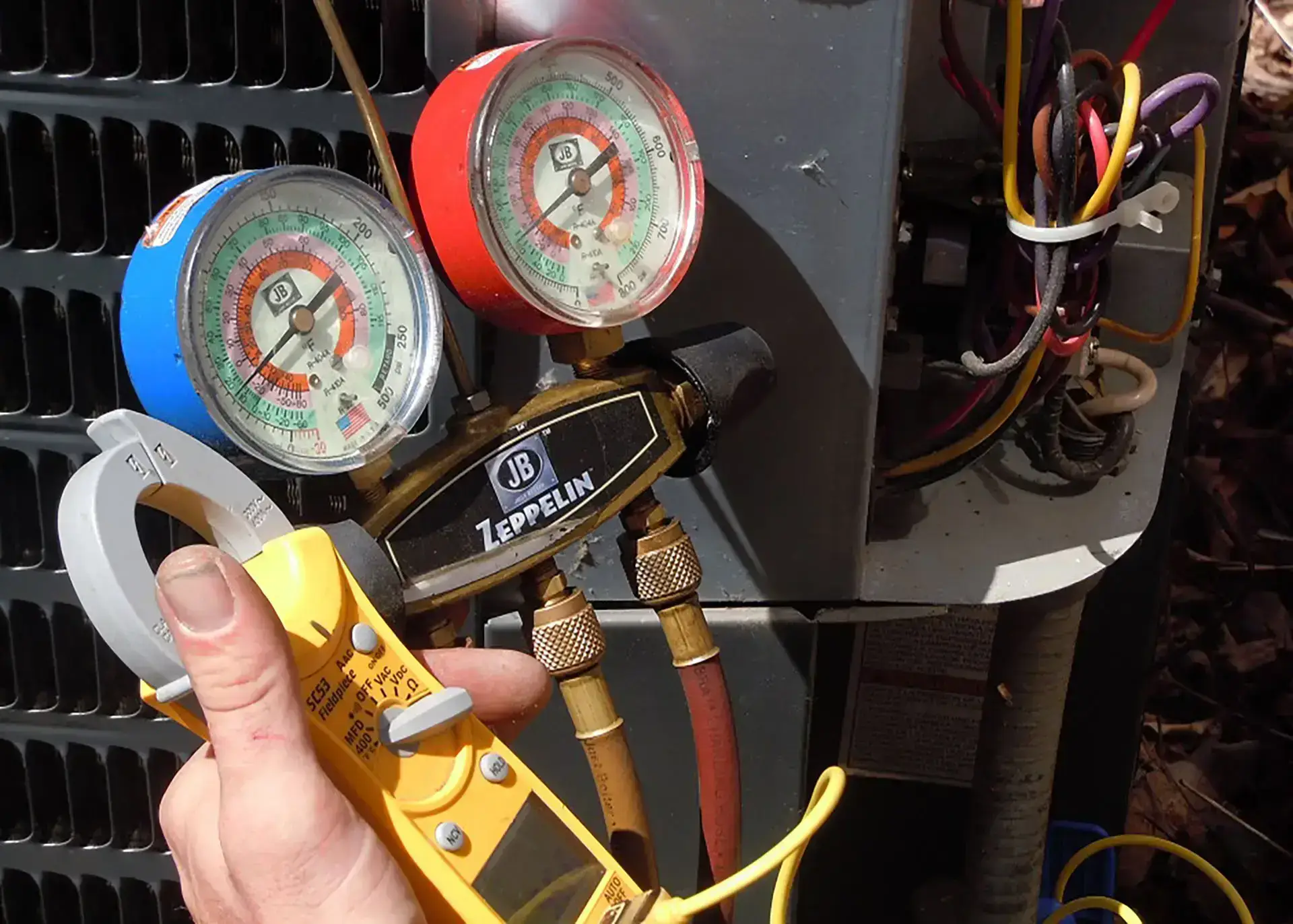
The Fix: If you see ice on the copper lines leading to your outdoor unit, or if the air coming out of the vents feels “lukewarm,” call us. This isn’t a DIY fix, but catching it early can save your compressor. We pride ourselves on honest pricing and won’t upsell you on things you don’t need.
10. Indoor Heat Sources (Ovens and Laundry)
We often forget that we are heat-generating machines. Running the dishwasher, the oven, or the dryer at 3:00 PM adds thousands of BTUs of heat into your home exactly when the AC is already struggling the most.
The Fix: Shift your “heat-heavy” chores to the early morning or late evening. Fire up the grill outside instead of using the oven, and keep the laundry for after the sun goes down.
When to Call the Pros?
We know how stressful it is when your home isn’t comfortable. If you’ve checked your filter, rinsed your outdoor unit, and adjusted your thermostat, but the temperature inside is still climbing past 82°F or 85°F, it’s time to give us a call.
At Accu-Temp, we serve the greater Austin area with one goal: making comfort easy. We don’t believe in high-pressure sales or unnecessary repairs. We provide the information, and you make the decision.


Stay cool, Austin! If you need a hand, we’re just a phone call away.
Need a hand with your AC? Contact Accu-Temp today for honest, reliable service.