
10 Reasons Your AC Isn’t Cooling (And 3 Things to Check Before You Call a Pro)
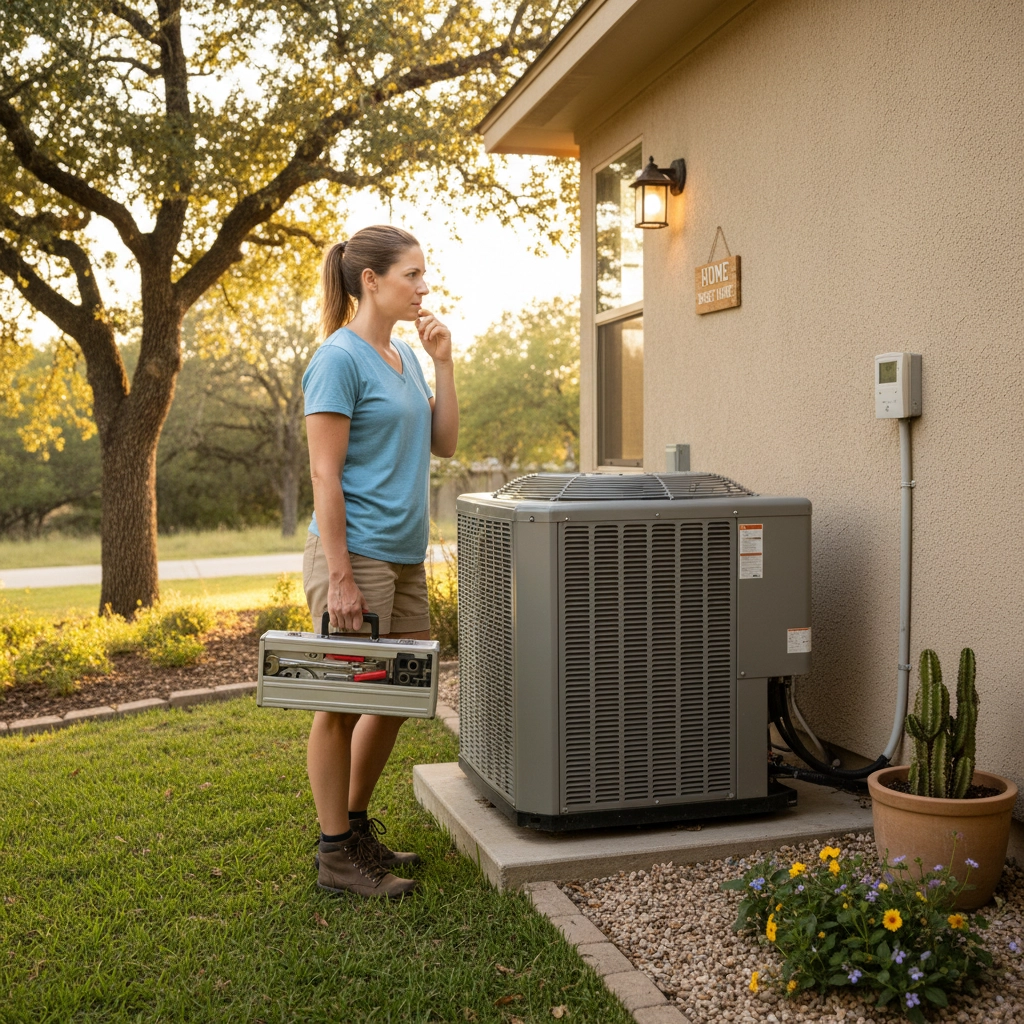
It’s a classic Central Texas afternoon. The sun is beating down on the limestone, the humidity is creeping up, and you’ve just walked inside expecting a blast of glorious, 72-degree air. Instead? It feels like your living room is slowly turning into a convection oven.
We’ve all been there. Before you start sweating (literally and figuratively) about the cost of a new system, take a deep breath. At Accu-Temp Air Conditioning & Heating, we’re firm believers in the “honesty first” policy. Sometimes, a warm house is a sign of a major mechanical failure, but other times, it’s just a tripped breaker or a dirty filter.
In this guide, we’re going to walk you through the most common reasons your AC has decided to take an unscheduled vacation and, more importantly, give you three simple things to check that might save you the cost of a service call. Because let’s be real: we’d much rather help you fix a simple problem for free than charge you to flip a switch.
3 Things to Check Before You Call a Pro
Before we get into the technical weeds, let’s go through the “emergency DIY” checklist. These are the three things our technicians check the second they arrive on a call. If you check them first, you might just be the hero of your household today.
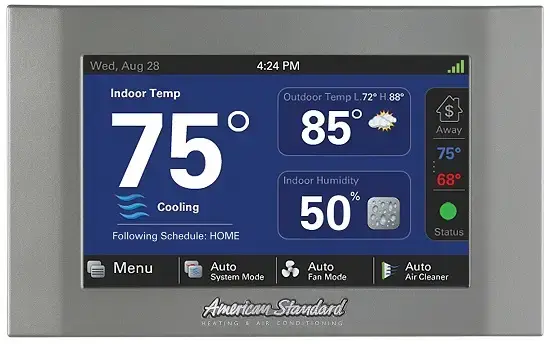
1. The Thermostat “Oopsie”
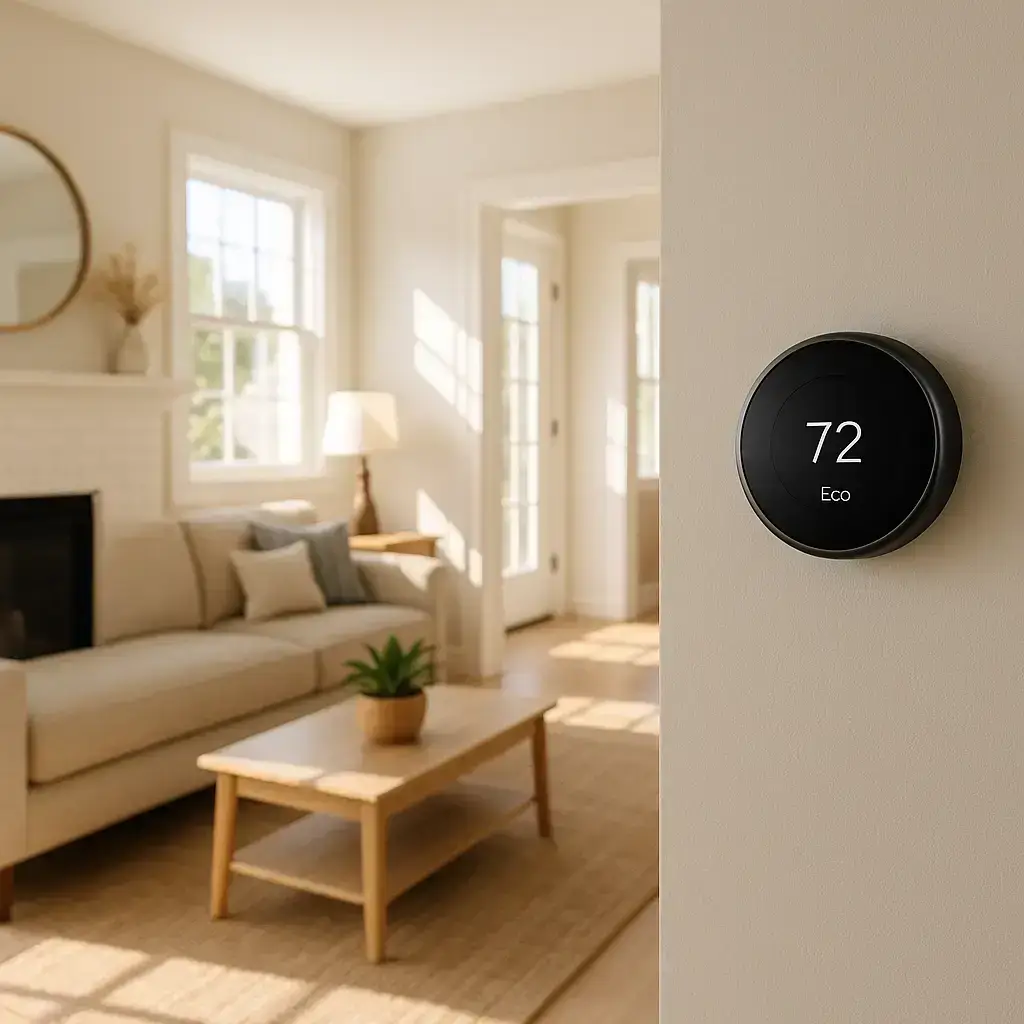
It sounds silly, but you’d be surprised how often a thermostat accidentally gets bumped to “Heat” or “Fan Only.” Learn more about thermostat settings here.
- Check the Mode: Ensure it is firmly set to “Cool.”
- Check the Fan: If the fan is set to “On,” it will blow air constantly, even when the AC compressor isn’t running. This makes the air feel warm. Set it to “Auto.”
- Check the Batteries: If your thermostat screen is blank or fading, it might just need a fresh pair of AAs to talk to your HVAC unit again. Learn more about a low battery fix here.

2. The Infamous Air Filter
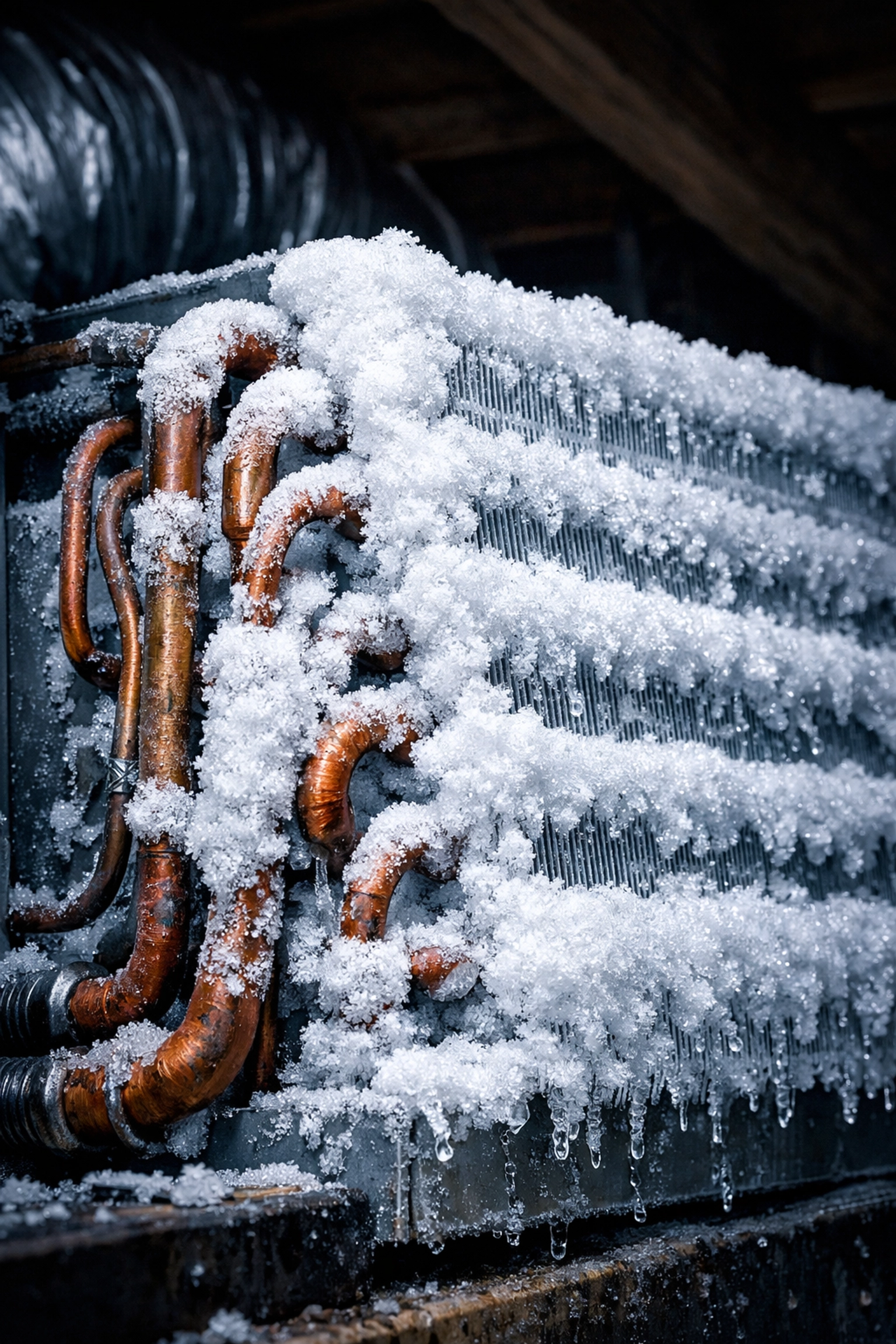
If your air filter looks like it’s growing a sweater, your AC can’t breathe. A clogged filter chokes off airflow, which can actually cause your indoor coils to freeze over (yes, freeze in 100-degree weather!). Check your filter. If it’s gray and fuzzy, swap it out. If you use a 4-inch filter or 5-inch filter, they last longer, but they still need eyes on them every few months. Read more about changing your air filter here.
3. The Circuit Breaker
Go to your electrical panel. Did the AC breaker trip? Sometimes a power surge during a Texas thunderstorm can pop the breaker. Flip it all the way to “Off” and then back to “On.” If it trips again immediately, stop and call us: that’s a sign of an electrical issue that needs a pro. Get more insight on why the breaker tripped and what to do here.
10 Reasons Your AC Isn’t Cooling
If you’ve checked the big three and you’re still sticking to your leather sofa, here are the top ten reasons your system might be struggling.
1. A Clogged Air Filter (Again!)
We can’t stress this enough. A dirty filter is the #1 cause of service calls in Austin. When air can’t pass through the filter, the evaporator coil gets too cold because there’s no warm air to absorb. This leads to ice buildup, which eventually blocks the air entirely. It’s a vicious cycle that ends with you sitting in a hot house.
2. Blocked Condenser Unit (The “Jungle” Effect)
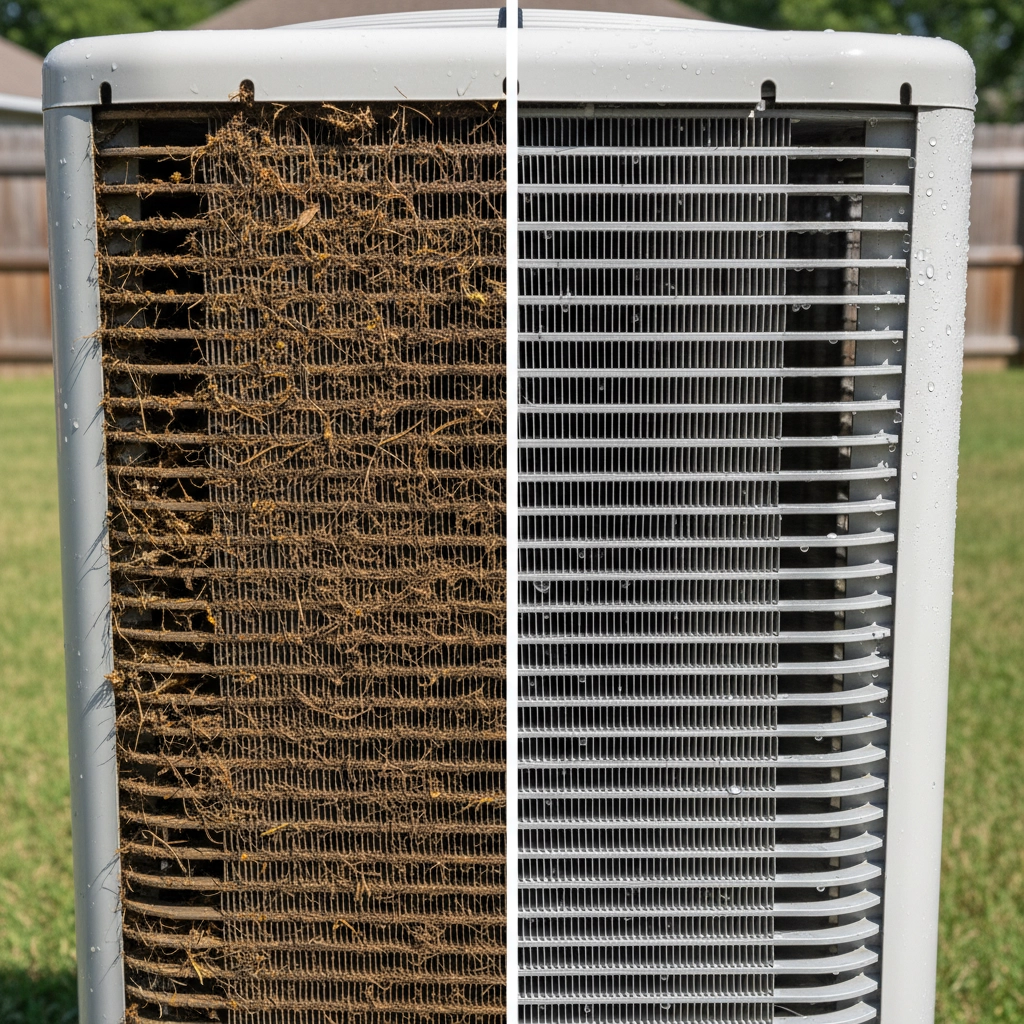
Your outdoor unit (the condenser) needs room to breathe. In Central Texas, our plants grow fast. If your Lantana or Cedar Elm branches have completely surrounded your unit, it can’t dissipate the heat it’s pulling from your house.
Pro Tip: Keep a two-foot “no-fly zone” of clear space around your outdoor unit. Also, check for “cottonwood fuzz” or dirt matted into the fins of the unit. A quick, gentle spray with a garden hose can sometimes do wonders.
3. Refrigerant Leaks
Your AC doesn’t “use up” refrigerant like a car uses gas. It’s a closed loop. If you’re low on refrigerant, you have a leak. Read more about low refrigerant levels here.
- The Signs: You might hear a faint hissing sound, or you might notice ice forming on the brass fittings of the outdoor unit.
- The Fix: This isn’t a DIY job. With the new A2L refrigerant standards and EPA regulations, you need a licensed tech to find the leak, fix the problem, and recharge the system correctly.
4. Frozen Evaporator Coils
Wait, how can it be frozen if it’s 100 degrees outside? It’s science! If the refrigerant isn’t absorbing enough heat (due to low airflow or low refrigerant levels), the coil temperature drops below freezing. Humidity in the air hits that coil and turns into ice. Pretty soon, you have a solid block of ice in your attic or closet. You can learn more about how to defrost a frozen system here.
5. Failed Capacitor
Think of the capacitor like a giant battery that gives your AC motor a “kickstart” to get running. These little cylinders are notorious for failing in the Texas heat. If you hear your outdoor unit humming but the fan isn’t spinning, a blown capacitor is often the culprit. It’s a quick fix for a technician, but don’t try it yourself: those things hold a lot of electricity! Learn more about what capacitors do to help your system here.
6. Dirty Coils (Indoor or Outdoor)
Over time, the coils that handle the heat exchange get coated in dust, pollen, and Texas grime. This acts like a thermal blanket, preventing the system from doing its job efficiently. Regular maintenance is the best way to prevent this from robbing you of your comfort.
7. Leaky Ductwork
You could have the best AC in the world, but if your ducts have holes in them, you’re just paying to air condition your attic. In older Austin homes, ducts can tear or become disconnected. This results in poor airflow and a house that never quite reaches the temperature on the thermostat. Get insights on duct leaks from our post here.
8. Improper System Sizing
If your AC runs 24/7 and still can’t keep up, it might be undersized for your home. Conversely, an oversized unit will “short cycle,” turning on and off so fast that it never removes the humidity, leaving you feeling clammy and uncomfortable. We see this often in new additions or when homeowners weren’t given a proper “Manual J” load calculation. Our key to proper system sizing is located here.
9. Compressor Failure
The compressor is the heart of your AC system. If it dies, the system can’t pump refrigerant. This is usually the most expensive part to replace. If your system is older than 10-12 years, a failed compressor often means it’s time to look at system replacements.
10. The System is Just Tired (Old Age)
Most AC units in Central Texas live for about 10 to 15 years. The heat here is brutal, and these machines work harder than almost anywhere else in the country. If your system is pushing 15 years and starts having “problem after problem,” it might be time to stop throwing “band-aid” money at it. Use this guide to help you decide if it is time to replace your system here.
Are you only noticing an issue in part of your home? Read about common reasons why one room isn’t as comfortable as others in your home here.
Why Accu-Temp Does Things Differently
We know that calling an HVAC company can feel a bit like taking your car to a mechanic: you’re worried you’re going to be sold a whole new engine when you just needed an oil change.
That’s not how we roll.
At Accu-Temp Air Conditioning & Heating, we have built this company on a foundation of honesty. We serve our neighbors in Austin and the surrounding areas with one goal: making comfort easy.
If we show up and find that your dog accidentally chewed through your thermostat wire, we’re going to tell you exactly that. We won’t try to “upsell” you on a 2-stage condenser if your current system has plenty of life left in it. We’re here to give you the facts so you can make the best decision for your family and your wallet.
Keeping Your Cool in the Capital City
Living in Austin is great: the music, the food, the parks: but none of it matters if you can’t come home to a cool, dry house.
If you’ve gone through our DIY checklist and your AC is still blowing warm air, don’t suffer through a “Central Texas sweat-fest.” Give us a call at (512) 636-9555 or visit our contact page to get a technician out to your home.
We’ll diagnose the problem, explain the fix in plain English, and get your home back to being the sanctuary it should be.